
This post contains affiliate links. Please see our disclosure policy.
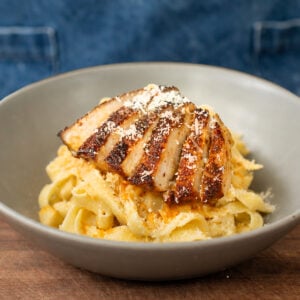
This recipe pays homage to the strip mall Italian alfredo of the ‘90s while cleaning up some of its shortcomings and dialing back the excess. It has super juicy chicken covered in a smoky spice crust, piled over tender fettuccine in a silky butter-parmesan sauce.
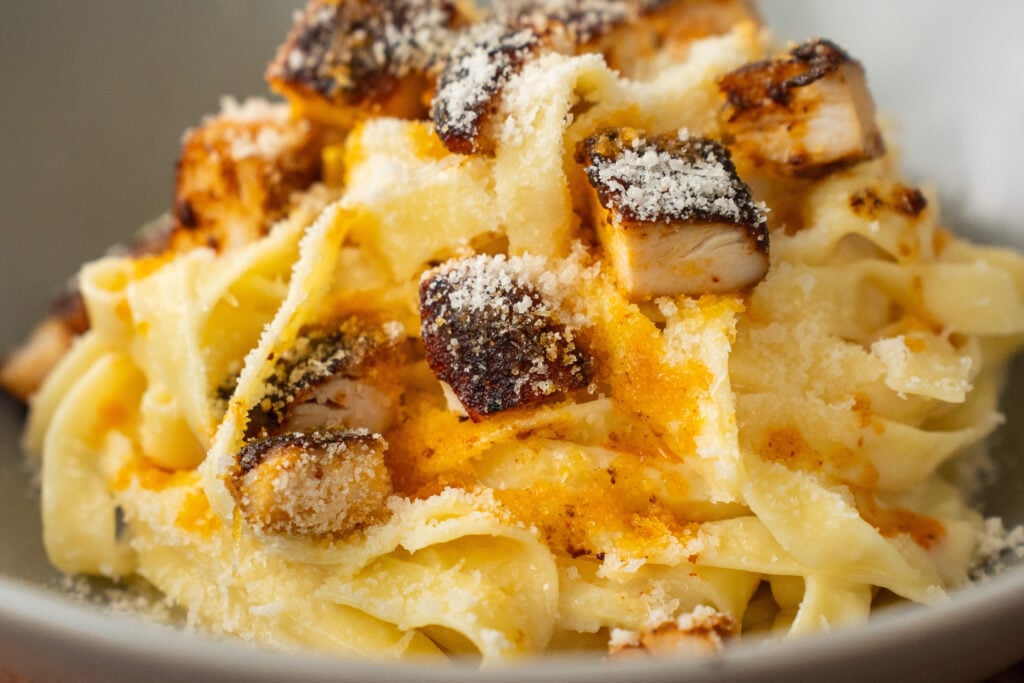
Table of Contents
why This Blackened Chicken Fettuccine Alfredo Recipe Delivers
The most common problems with this classic are gloppy sauce, noodles with no grip, spices that fall off (or spices that are literally blackened until bitter) and, of course, dry-ass overcooked chicken. The strip mall Italian places I grew up ordering this from would often check at least 4 of these boxes, but I kept coming back because I’m human, and my tiny brain requires starchy, cheesy pasta with meat on top of it sometimes.
My version of this recipe is designed to mitigate these issues and catalyze the combination of meat, starch, and cheese into its highest form. All while keeping the process practical enough for home cooks to execute without much effort.
For the chicken, we change the form factor and give it time in the fridge to bond with the spices so they stay put. For the sauce, I’ve opted for a compromise. Classic versions use no cream, which makes the sauce tricky to emulsify. Contemporary American versions use heavy cream because it’s easy and more fat is usually a good thing. But it often weighs things down into a glop fest. Instead, I use a small amount of half-and-half to hold things together. The rest comes down to a little finesse, a little technique, and the correct products.
Brian’s Pro Tips
Bond The Spices
There are 2 ways to do this:
- Grind the spices further than they already are in a blender. The finer grind becomes closer to a powder that wants to stick to the flesh much better than coarsely ground spices.
- I found that if I let the spices sit on the chicken in the fridge for 20-30 minutes, they bond with the protein and stay put much better after cooking. An added bonus: this extra fridge time gives the chicken more exposure to the salt in the rub, which seasons it more deeply and helps it hold moisture during cooking.
Blackened Shouldn’t Mean Burnt
People take the name of this spice blend literally and often cook their spices until they are black. This is obviously a bad idea and leads to acrid, bitter spices and probably overcooked meat underneath. For this dish, you want VERY DARK but nowhere near burnt. The spices should be deep mahogany, very dark brown, with a toasty, smoky smell.
Finish Sauce Looser
These noodles keep absorbing liquid after you turn off the stove and a sauce with the perfect viscosity in the pot may be pasty and oily by the time you serve. So reserve a little extra hot pasta water and keep the sauce a touch on the thin side. Don’t make it watery though. It should still have a silky grip on the pasta and lazily flow over it when tossed.
Key Ingredient Notes & Substitutions
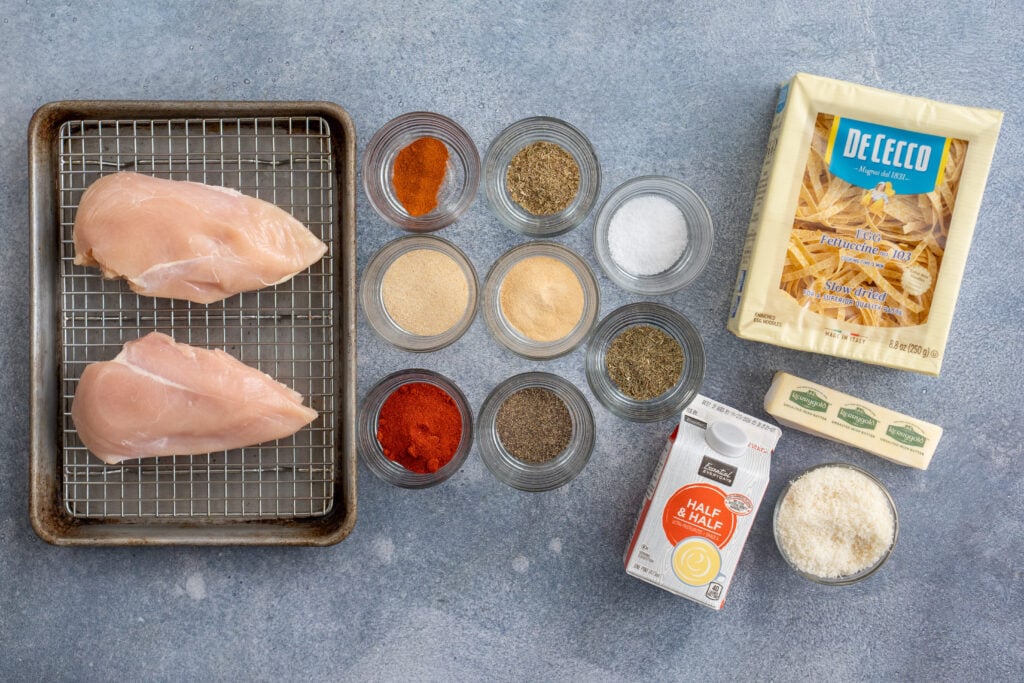
Full ingredient list and amounts are listed in the recipe card below.
Thin Egg Pasta
I use De Cecco Egg Fettuccine No. 103. You don’t need this exact product, but I strongly recommend thin egg fettuccine sold in nests. The noodles I use are thinner and have a rougher surface. That thinness gives them a tender, satisfying bite that reminds me of the egg noodles in chicken soup. The rough surface grips the sauce so it coats each noodle instead of sliding off the smooth pasta and pooling underneath. Most grocery stores carry this nested style now.
Substitute with tagliatelle or pappardelle sold in nests rather than the standard straight, flat fettuccine.
Half and Half
Traditional Alfredo is just emulsified butter, Parmesan and pasta water. It’s REALLY good when you get it right, but Parmesan is a heavily aged cheese that can easily get grainy when melted too fast and keeping it in emulsion with the butter is quite tricky even for seasoned cooks. Adding a little half-and-half stabilizes the sauce without adding excessive fat that covers up the flavor of the butter or Parmesan, which is the core of what makes Alfredo work.
Freshly Grated Parmesan
I prefer to grate my own from a block of nicely aged Parmesan because this is a simple dish and the quality of the cheese really matters. I’d avoid pre-grated unless it’s NICE aged stuff with nothing added. A lot of pre-grated Parmesan has anti-caking agents to prevent sticking and those can make the cheese melt weird.
How To Make Blackened Chicken Fettuccine Alfredo
Blend the Blackened Seasoning
- Add all eight blackened-seasoning ingredients (see recipe card below) to a blender. Place a paper towel over the jar, top with the lid and blend on high for 30 seconds or until everything is a fine powder. Let the dust settle before opening. You don’t want a nose full of cayenne.
- Measure 50g into a shallow bowl for this recipe and store the untouched remainder in an airtight container for future recipes. The full blend makes about 117g.
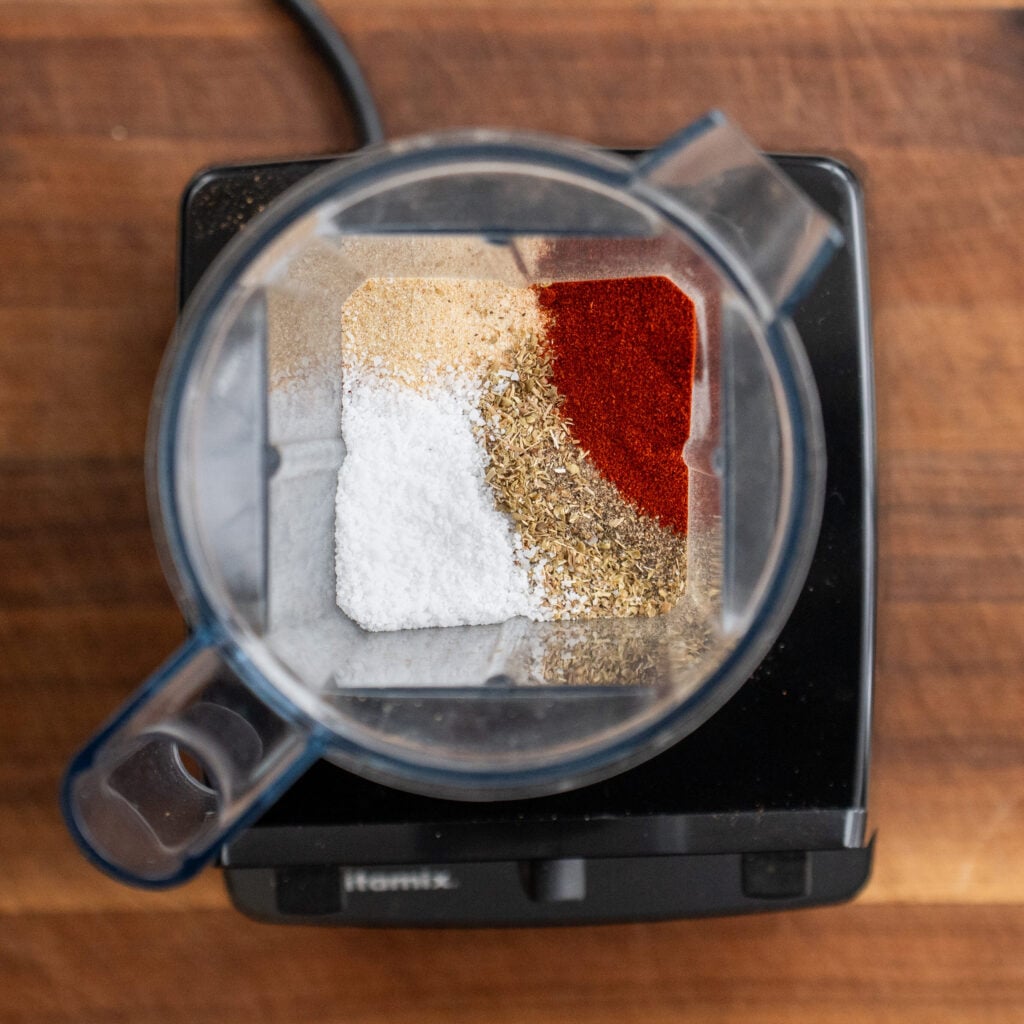
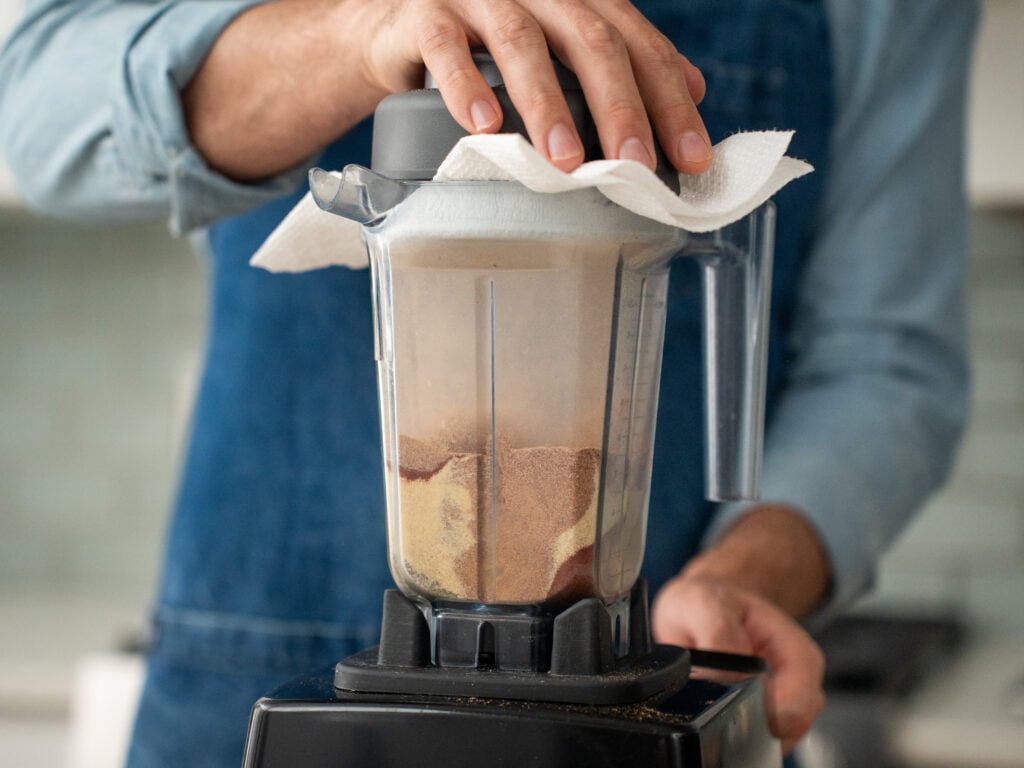
Why blend it instead of just stirring? Blending turns the coarse herb leaves and salt crystals into a powder that helps it fuse to the meat better. You can skip blending, but more of the mixture may fall off the meat.
Prep The Chicken
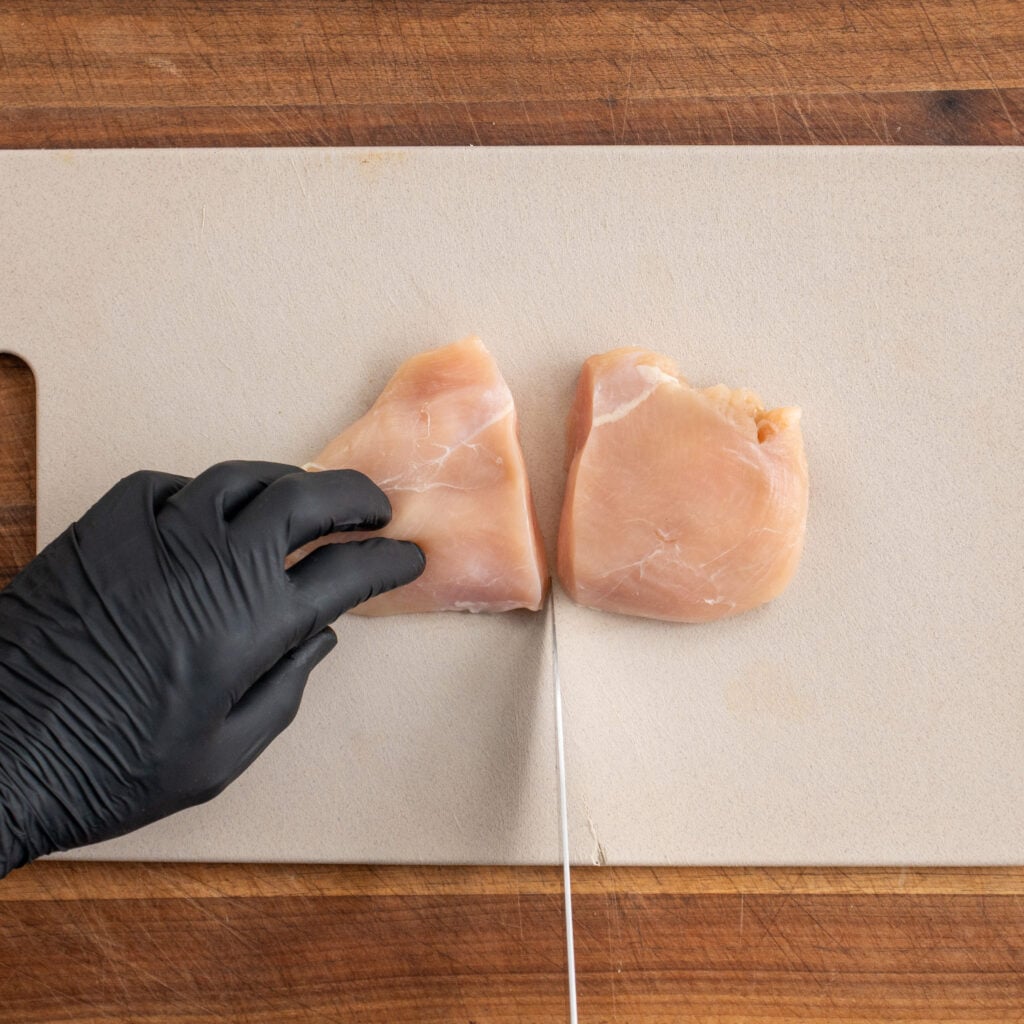
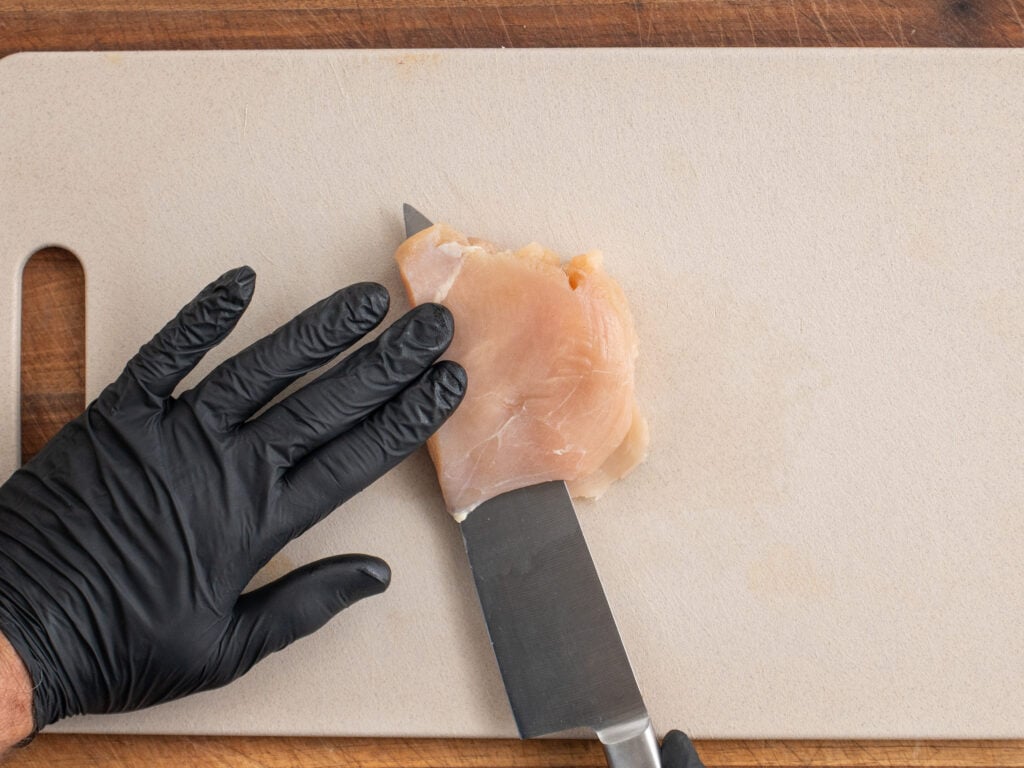
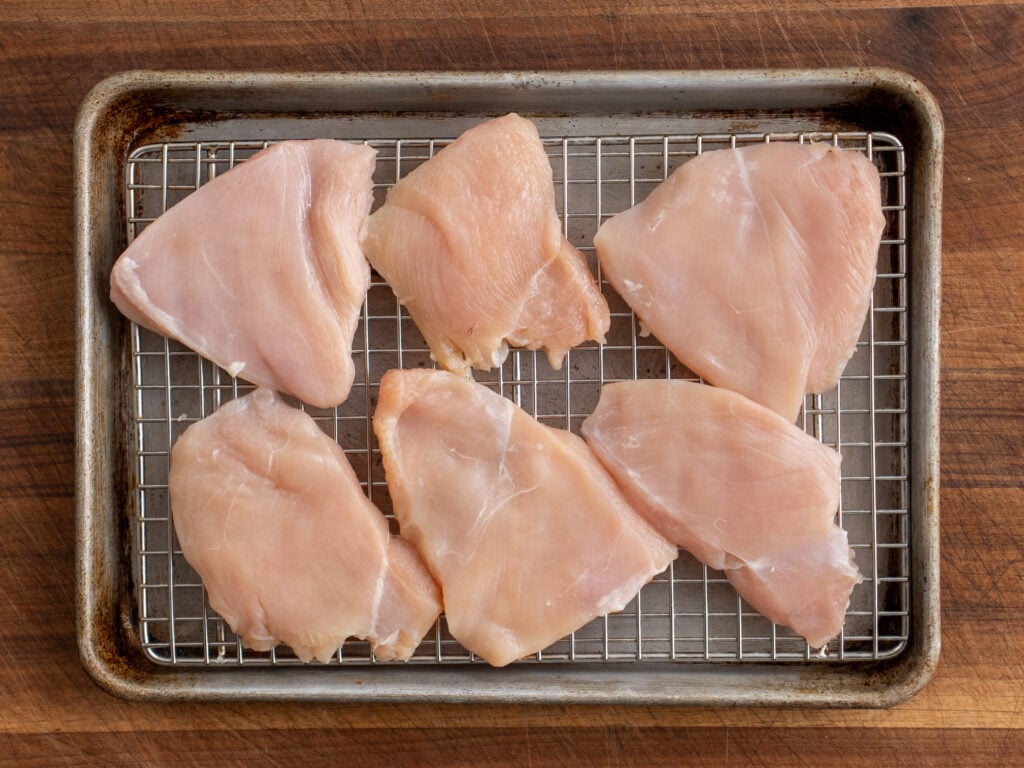
- Cut each breast approximately in half but cutting the tapered end from the thicker lobe. Then carefully slice each of the thick lobes horizontally into two cutlets so you have six pieces total.
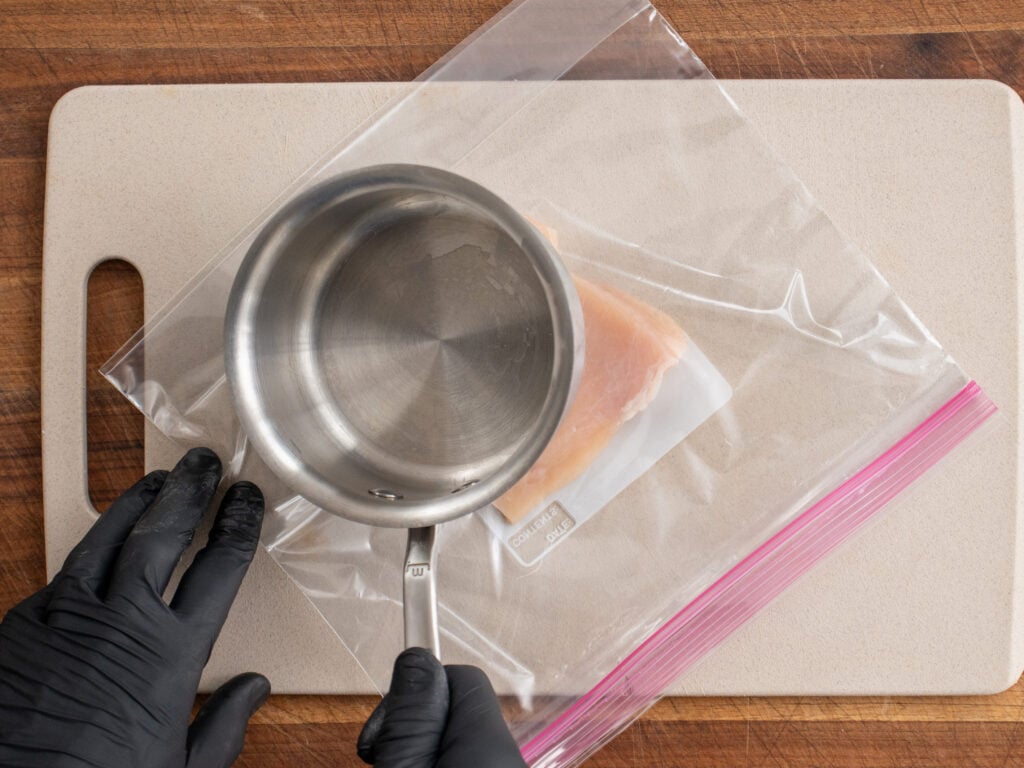
- Place the pieces in a freezer bag or between sheets of plastic wrap and gently pound any thicker areas to about ¾ inch, keeping each piece an even thickness.
Coat and Refrigerate
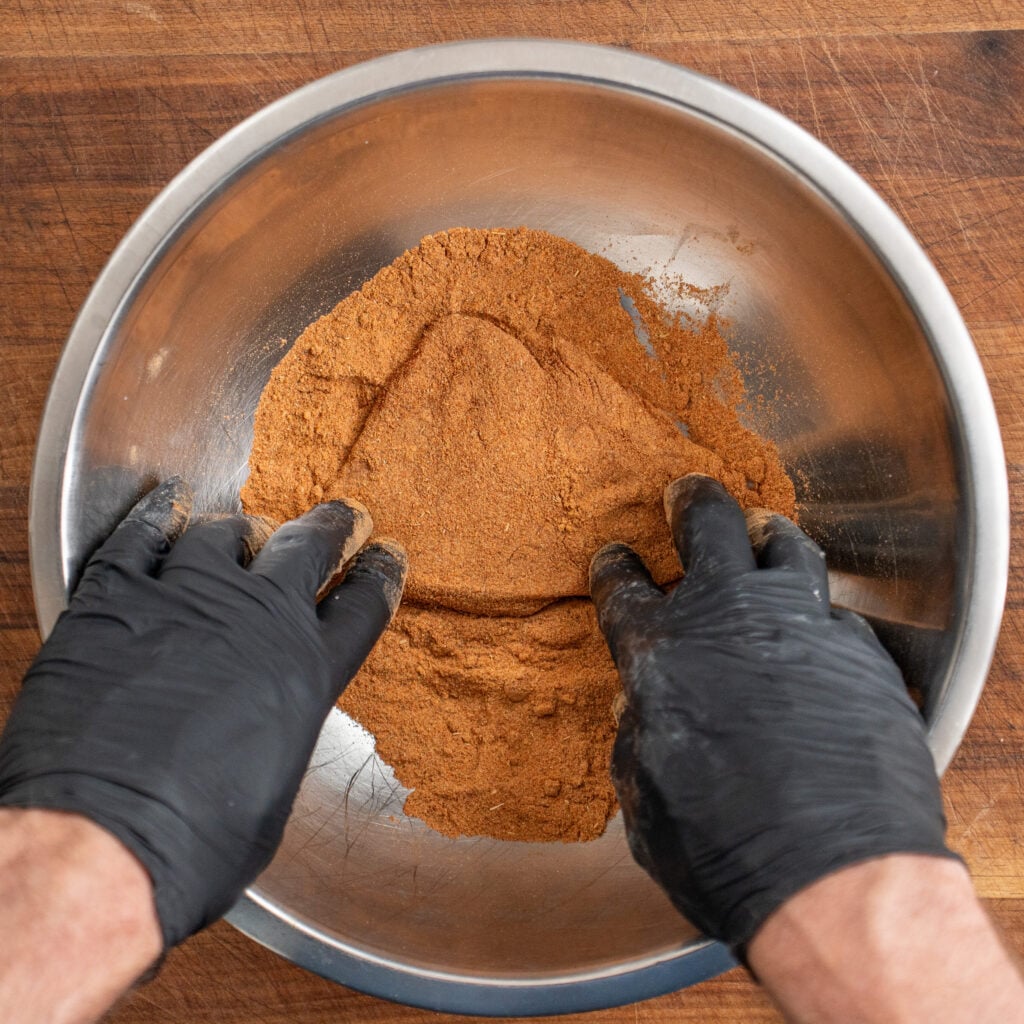
- Press both sides of each chicken piece into the 50g blackened seasoning and shake off loose excess.
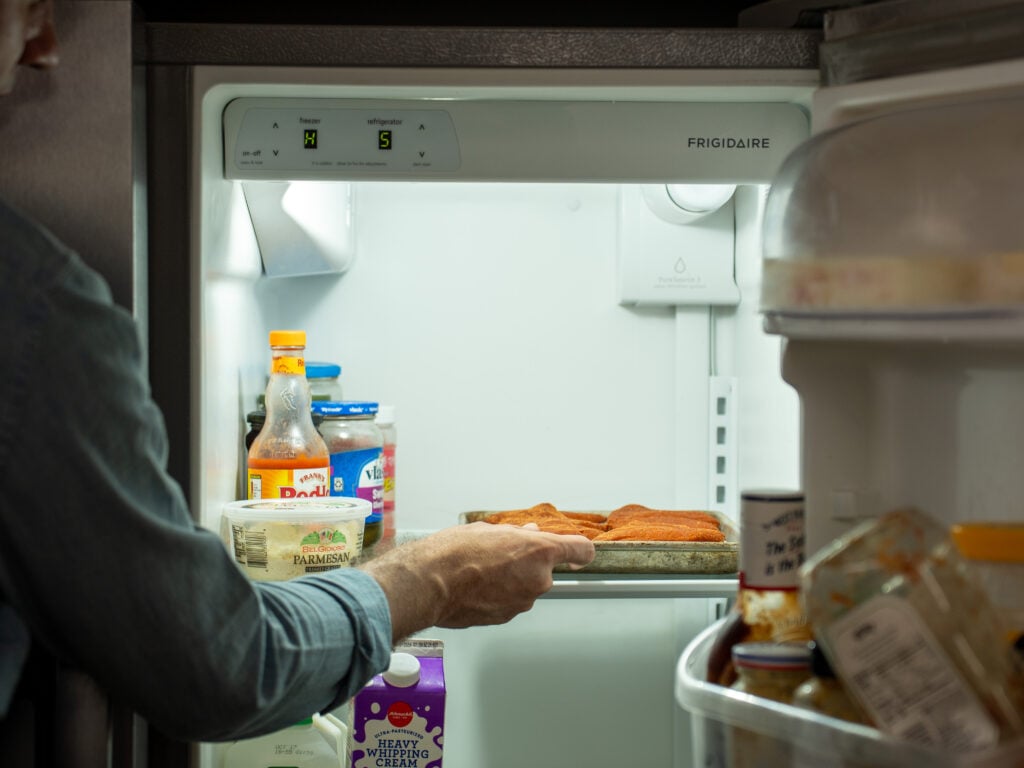
- Arrange on a wire rack over a sheet tray and refrigerate uncovered for 20-30 minutes to help the seasoning stay put during cooking.
Discard any seasoning left in the dredging bowl after it has touched raw chicken.
Get the Pasta and Sauce Ready
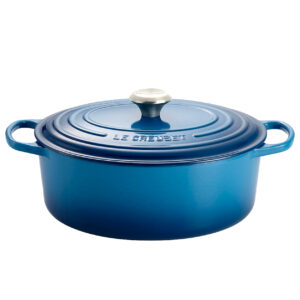
- While the chicken rests, bring about 4 liters of water to a rolling boil in a large, heavy bottomed pot. I like to use my wide round Dutch oven for this since I also use it to make the sauce.
- Finely grate 75g Parmesan, cube 75g butter and measure 150g half-and-half. Have extra Parmesan ready for finishing and extra butter for the chicken.
Blacken the Chicken
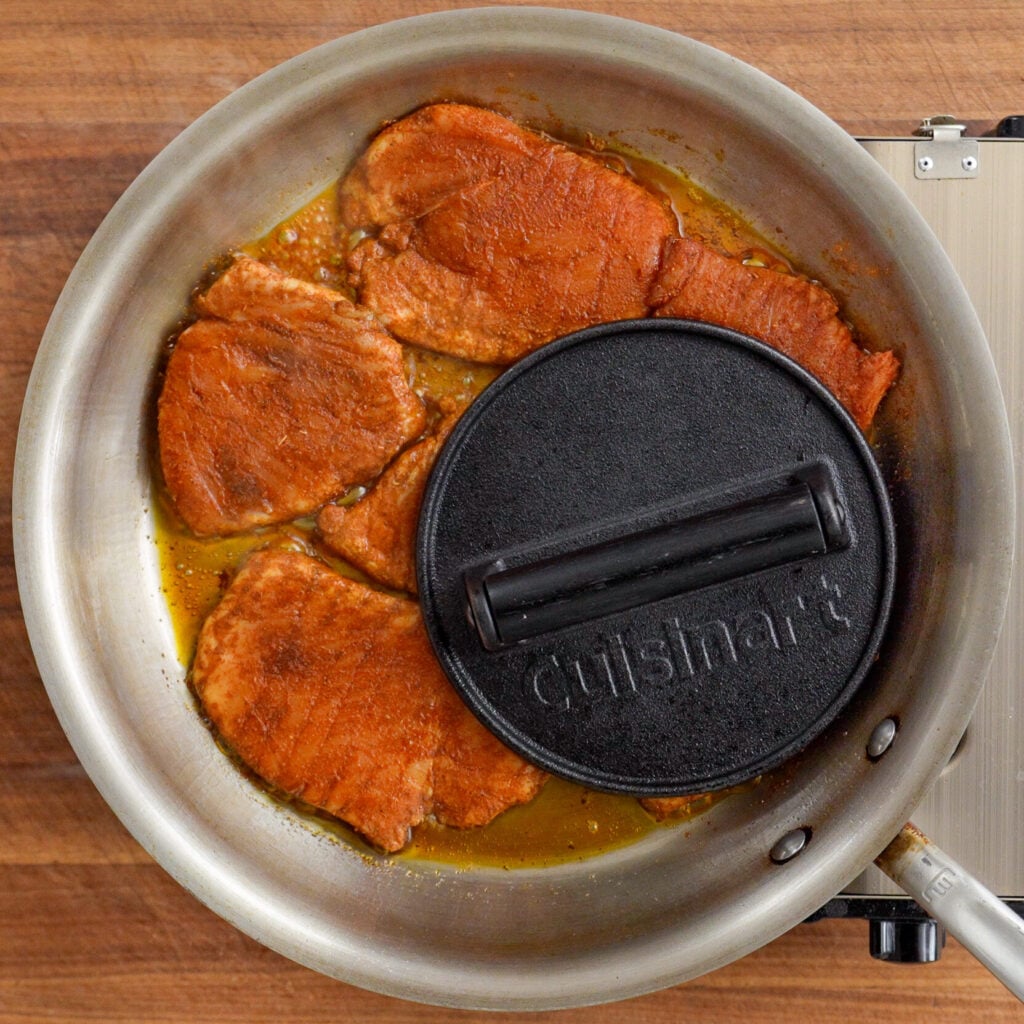
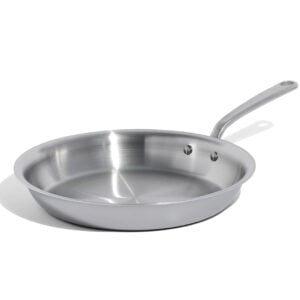
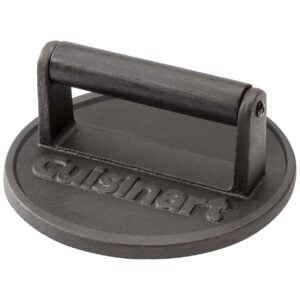
- Heat a heavy 12-inch sauté pan over medium heat, about 6/10, and turn on your exhaust fan. Add 30g neutral oil. When it shimmers, lay the chicken into the pan away from your body, making sure there’s a layer of oil between the meat and the pan. Reduce to medium heat and DO NOT disturb it. Moving the cutlets too early can peel off the spice crust. For more even blacking, place a cooking weight on top or press each piece with a spatula.
- Cook the first side for 4-5 minutes or until the crust is deep mahogany to very dark brown. If you’re using a pan smaller than 12″, work in batches if needed, dividing the oil between them and carefully wiping out any scorched spices before the next batch. Before the chicken finishes cooking on the first side, remove the weight and add a large pad of extra butter until it melts. Flip the chicken, then turn off the heat and baste with the butter for 1-2 more minutes.
- Check each piece with a thermometer inserted from the side into its thickest part. Once the center reaches 155°F (68°C), keep it at or above that temperature for a full minute, using gentle heat if needed. Transfer to a plate, pour the spiced pan butter over the chicken and rest while you make the pasta.
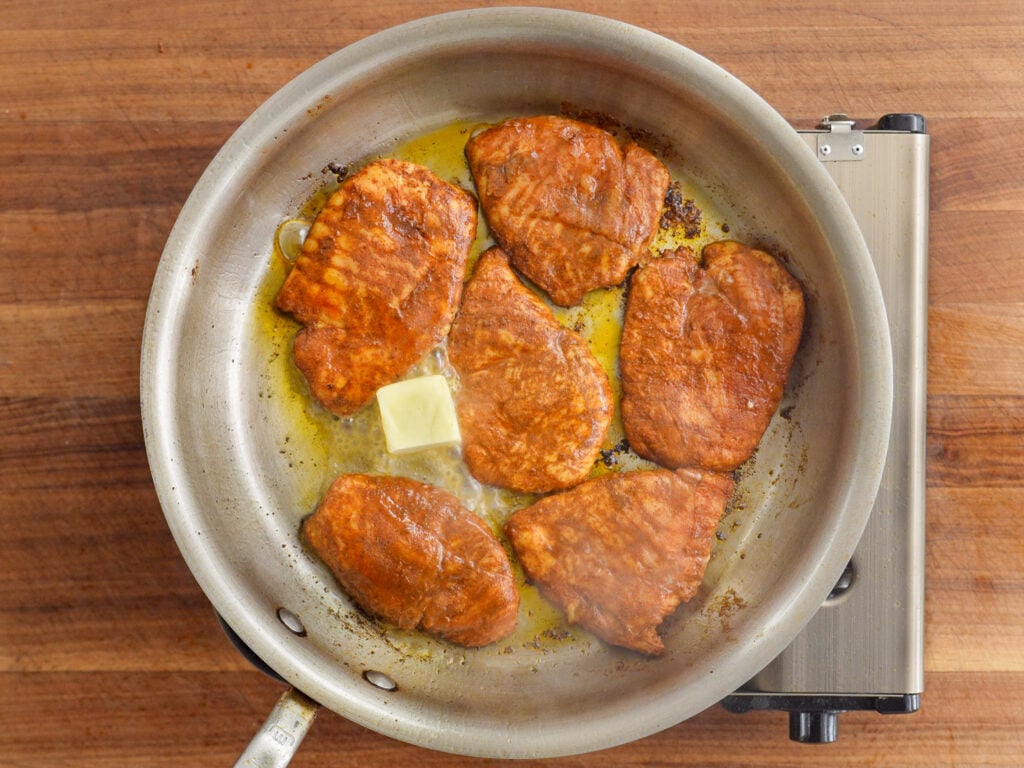
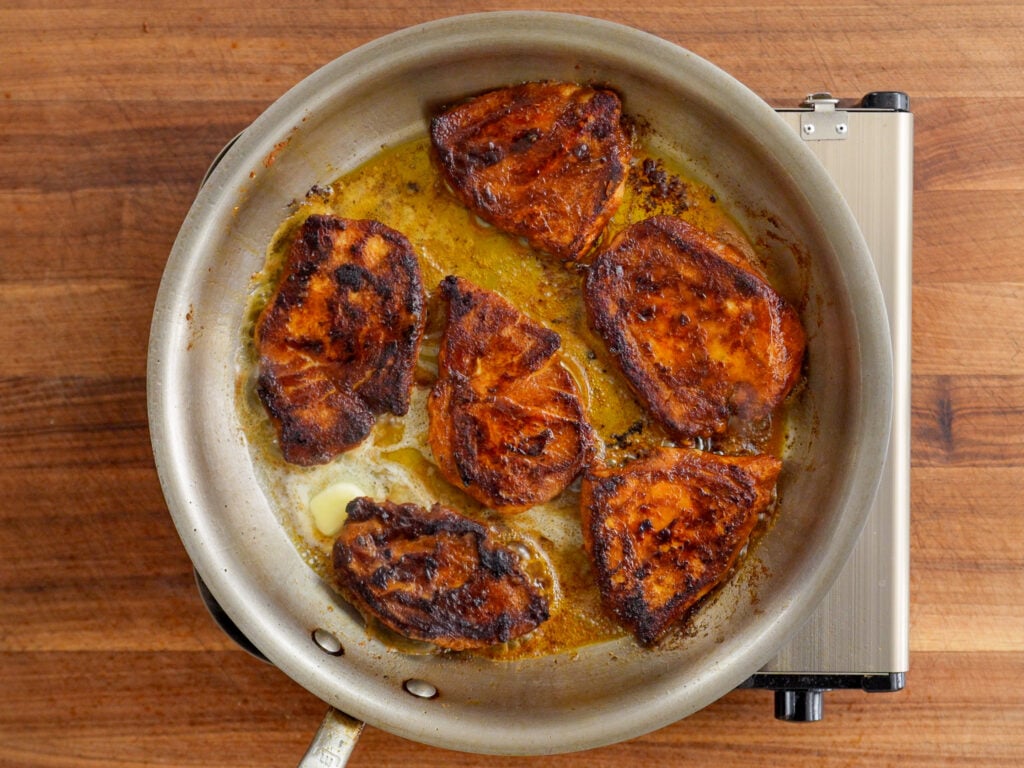
Why only 155°F? Chicken safety depends on both temperature and time. At 165°F, chicken is safe almost instantly. Holding the center at or above 155°F (68°C) for a full minute does the same job, but the meat squeezes out less moisture at that lower temperature. That means a more tender, juicy chicken breast.
Cook the Pasta
- Add two large 3-finger pinches of kosher salt and a whole box of fettuccine nests (250 g) to the boiling water. Stir to separate the nests and cook according to the package instructions. Taste for doneness. The noodles should be tender with a little bite, without a firm, chewy center.
- Scoop out about 1½ cups. You’ll use about 1/2 cup in the sauce and keep the rest for adjusting it. Drain the noodles in the sink without rinsing and make the sauce right away.
Build the Sauce
- Return the empty pot to medium heat. Add 150g (2/3 cup) reserved pasta water and the 150g half-and-half. Bring to a simmer, then add the 75g cubed butter. Stir constantly until the butter is emulsified into the liquid. It should look opaque and smooth with no greasy slick of butter on top. Keep it at a gentle simmer rather than a hard boil.
- Add the drained fettuccine and toss and fold gently to coat. A little agitation makes the sauce more silky, but be careful not to overdo it and break the noodles. Turn off the heat then sprinkle the 75g Parmesan across the surface of the pasta, lifting and folding the noodles gently until the cheese melts into the sauce.
- Next, dial in consistency. Keep lifting and folding with tongs, taking care not to break the noodles while adding small splashes of the reserved pasta water until the sauce is glossy, coats each strand and pools a little in the bottom of the pot. Keep it a touch looser than you want on the plate because it will continue to tighten as it sits. Taste for salt and adjust only if needed.
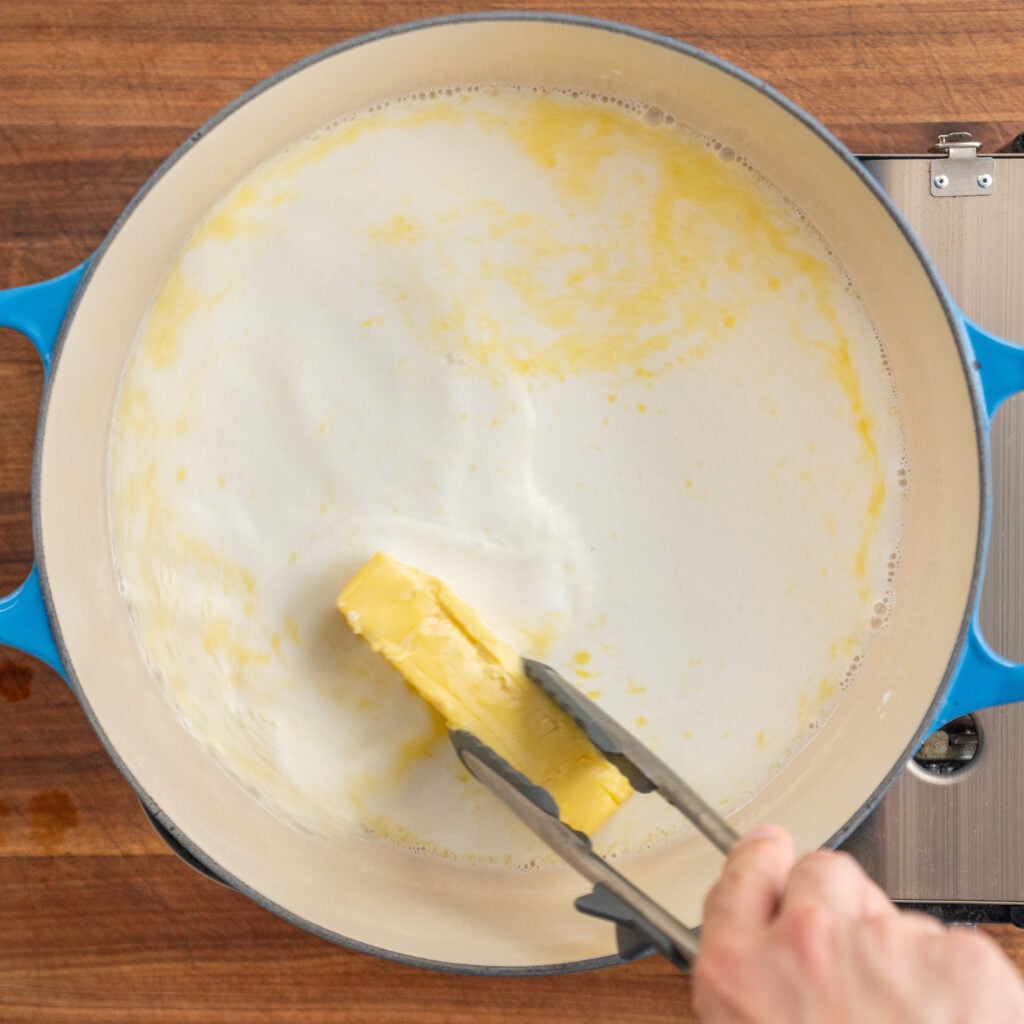
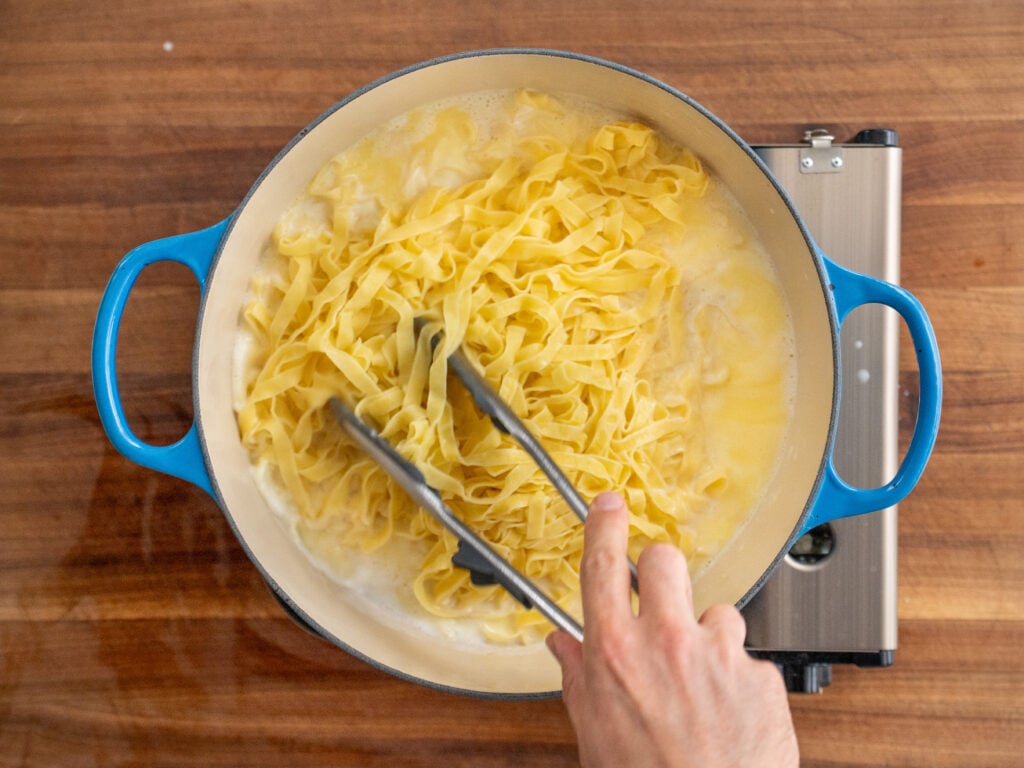
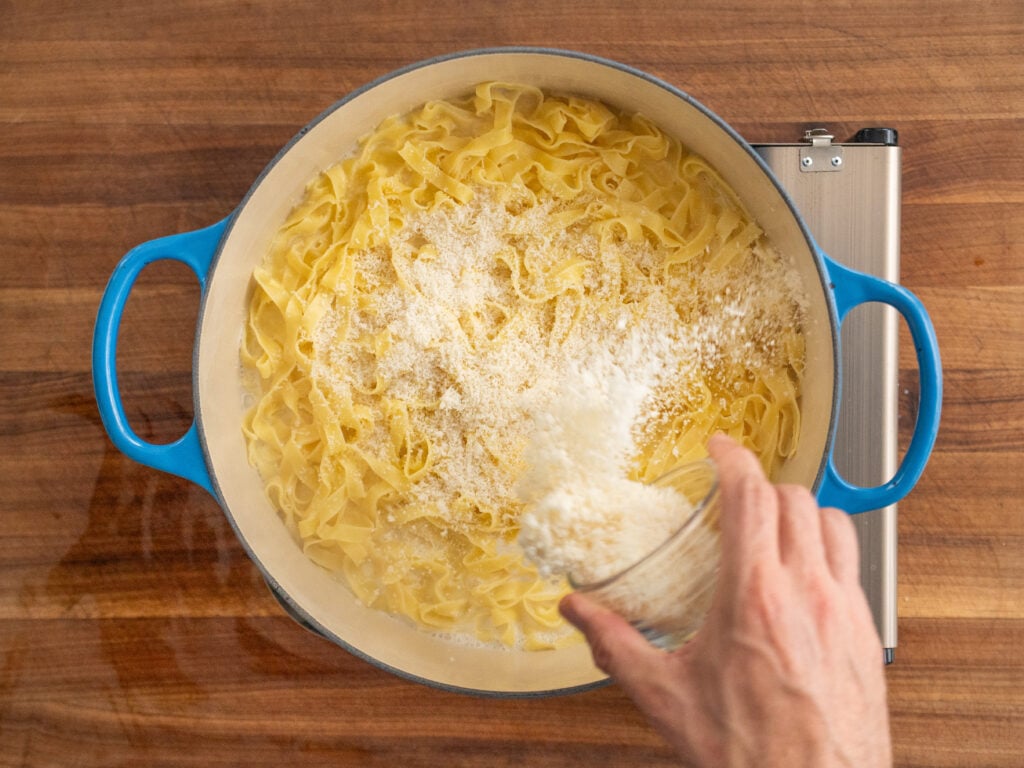
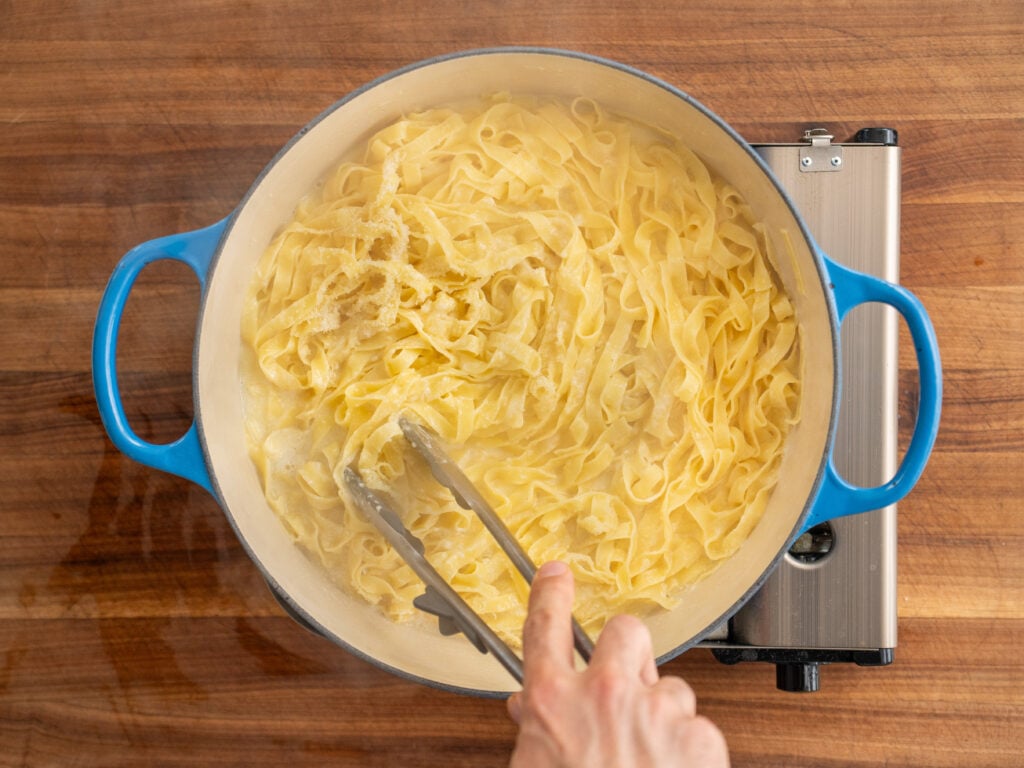
How loose is loose enough? When you lift the noodles, they should slip apart easily with a shiny coating of sauce. If the whole pot moves as one sticky mass, add another splash of pasta water and fold again.
Chop the Chicken and Serve
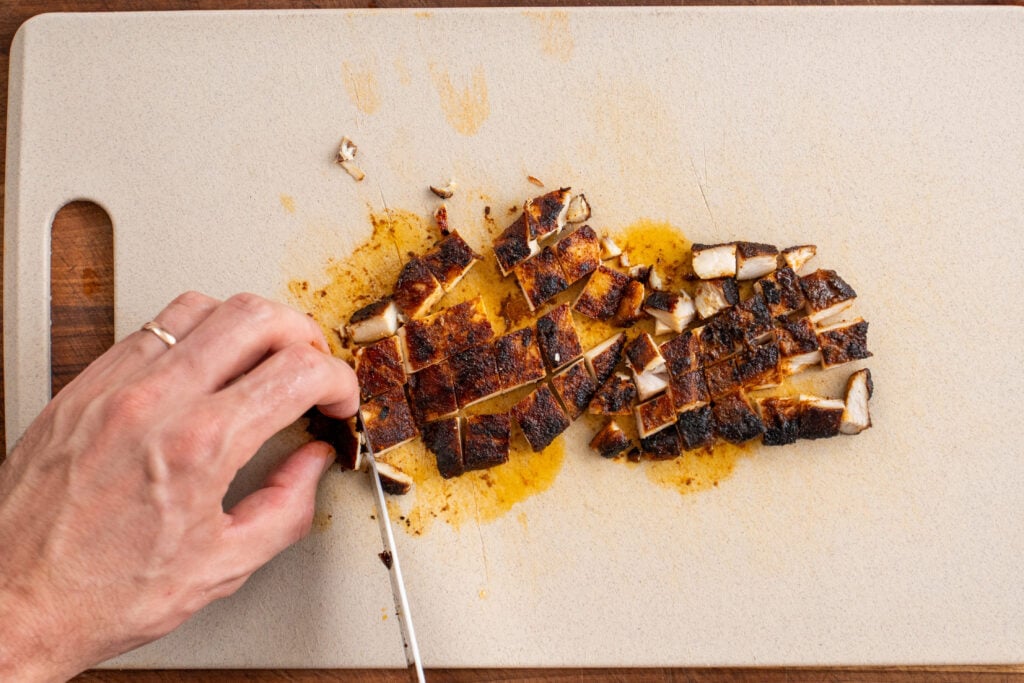
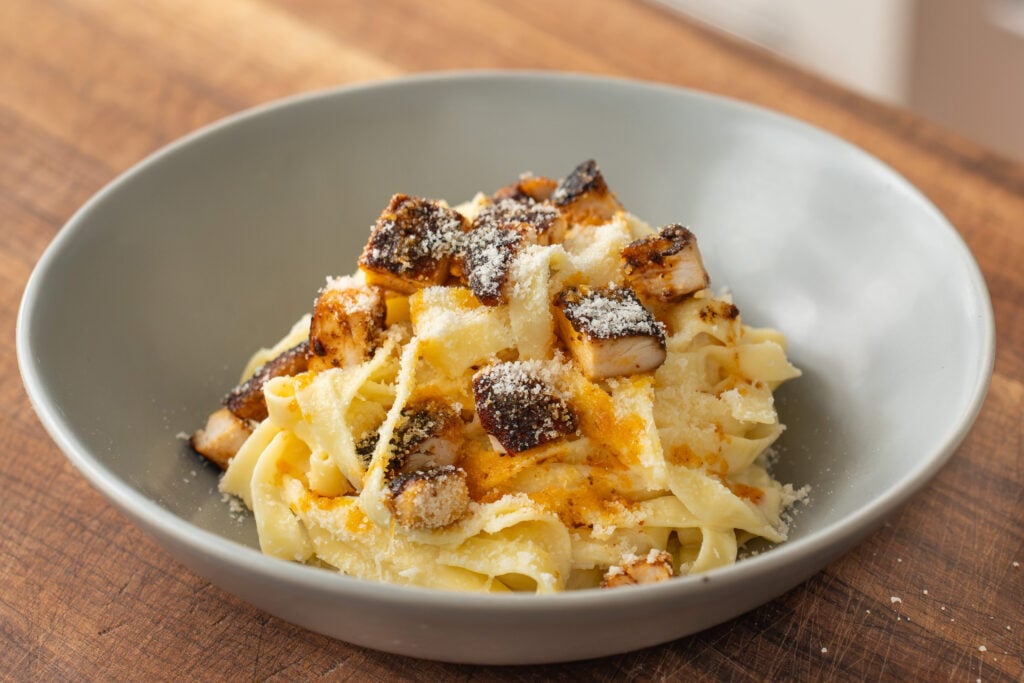
- Transfer the rested chicken to a clean cutting board and chop into bite-size pieces. Twirl the pasta into warm bowls, top with a sprinkle of additional parm, the chicken and finish with another generous grating of Parmesan and drizzle of olive oil.
Storage & Reheating
This is an eat-it-now pasta so I don’t recommend making it ahead and eating it later. If you DO have leftovers though, store in an airtight container in the fridge for 3-4 days.
To reheat, warm the pasta gently on the stove with a splash of water (or half and half). The sauce won’t remain silky, but it should still taste good.
More Recipes To Try
- Chicken Piccata – Crispy chicken cutlets in a silky lemon-butter-caper sauce
- Shrimp Scampi Pasta – A 30-minute dinner that tastes like a restaurant dish
- Steak Diane – Another throwback dish that’s even better than you remember
Blackened Chicken Fettuccine Alfredo
Ingredients
Blackened Seasoning
- 25 g smoked paprika
- 8 g ground black pepper
- 15 g garlic powder
- 30 g onion powder
- 3 g dried oregano
- 3 g dried thyme
- 30 g coarse kosher salt
- 3 g cayenne pepper
Chicken
- 500 g chicken breasts, boneless, skinless
- 50 g blackened seasoning, recipe above
- 30 g neutral oil
- unsalted butter
Pasta Sauce
- 250 g dried egg fettuccine nests, De Cecco No. 103 or similar
- 45 g kosher salt, (for 4 liters/quarts pasta water)
- 150 g reserved pasta water, plus more for loosening
- 150 g half-and-half
- 75 g unsalted butter, cubed
- 75 g Parmesan, finely grated, plus more for finishing
- salt
- olive oil
Instructions
- Add all eight seasoning ingredients to a blender. Place a paper towel over the jar, put on the lid and blend on high for about 30 seconds until finely ground and well combined.
- Cut the chicken breasts in half, separating the tapered ends from the thicker lobes. Then slice each thick lobe horizontally into two cutlets, making six pieces total. Gently pound any thicker areas to about ¾ inch so each piece is even. You will have 6 pieces total.
- Press both sides of each chicken piece into the 50g / 5 Tbsp blackened seasoning and shake off excess. Refrigerate uncovered on a wire rack over a tray for 20-30 minutes. Discard any leftover seasoning that contacted the raw chicken.
- Meanwhile, prep ingredients by bringing about 4 liters/qts of water to a rolling boil in a large pot. Finely grate 75g Parmesan, cube 75g butter and measure 150g half-and-half. Have extra Parmesan and extra butter ready.
- Heat a heavy 12-inch sauté pan over medium and turn on the exhaust fan. Add a generous amount of oil, about 30g. When the oil is heated and shimmering, carefully lay in the chicken. Press with a spatula or cooking weight and leave undisturbed for about 4 minutes until the bottom side is a dark golden brown (not fully black).
- When chicken is almost done on the first side, add a large pad of extra butter and melt.
- When the color on the first side reaches the desired amount of doneness (deep brown), flip the breasts to the second side. Turn off the heat and baste with the butter for 1-2 minutes. When done, the center of the chicken should reach 155°F and remain there for a full minute.
- Transfer chicken to a plate and pour the pan butter over the chicken. Rest the chicken while making the pasta.
- Add two large 3 finger pinches of salt to the boiling water along with the fettuccine. Stir to separate and cook according to the package instructions. Taste for doneness: tender with a little bite.
- Reserve 200–300g (about 1–1½ cups) pasta water, then drain without rinsing. Make the sauce right away.
- In the empty Dutch oven over medium heat, bring 150g / ½ cup pasta water and 150g half-and-half to a gentle simmer. Add cubed butter and stir until opaque and smooth with no greasy slick.
- Fold in the pasta gently. There should be enough liquid in the bottom of the pan that when you pull away the pasta, the liquid is fully coating the bottom of the pan. If needed, add more pasta water.
- Next, turn off the heat and sprinkle in 75g Parmesan evenly over the pasta. Very gently turn and fold the pasta until the parmesan is melted into the sauce.
- Loosen with small splashes of reserved pasta water if needed until glossy and slightly loose, with just a little sauce pooling underneath. Fold to incorporate very gently so you don’t break the pasta. Taste and add salt only if needed.
 Like this? Leave a comment below!
My Go-To Gear
Frequently Asked Questions
If it’s either of those things, it could be that your sauce was too hot when you added the parmesan. Be sure to add that off heat and spread it evenly over the top of the pasta.
Otherwise, if the sauce is looking greasy or little tight, add another splash of hot pasta water and gently toss and fold until it re-emulsifies.
I wouldn’t recommend it here. Thighs add more fat to an already very rich dish. Thighs also benefit from longer cooking to soften their connective tissue and render out the extra fat. The blackened seasoning would likely burn in that time. Thin breast cutlets are a better fit for this recipe.
Yes, but the salt level could be very different from mine, so look at the label and discern how much salt you should add to make up if needed.
Reduce the cayenne in the homemade blend or leave it out. Keep the smoked paprika, onion, garlic, and herbs, because those create most of the flavor and color. A blackened crust can be bold and smoky without being hot.
Yes. I like the Jovial brand of egg tagliatelle for this.
Yes, but plan on searing the chicken in several batches and using a pot with plenty of room for the pasta. Double the sauce ingredients, then adjust the final texture with pasta water as you go. For a group, get everyone seated before adding the Parmesan. A big batch of Alfredo should still be eaten right away.