10 Cheap Restaurant Tools THAT Make Home Cooking Easier

Published Oct 09, 2026
This post contains affiliate links. Please see our disclosure policy.
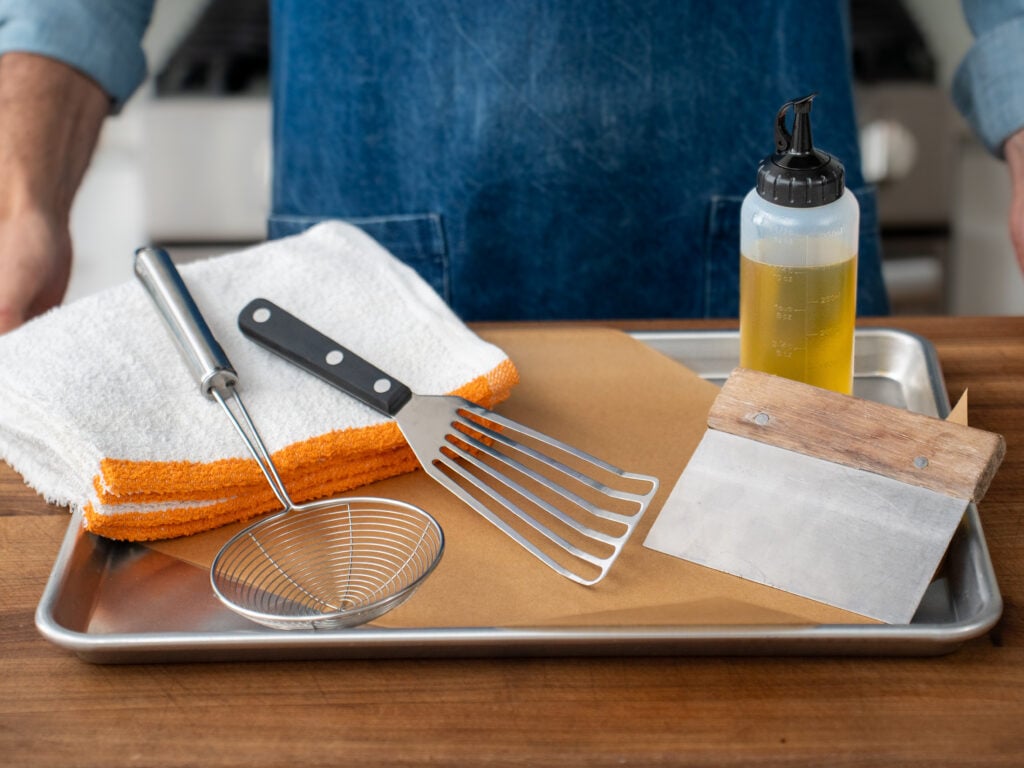
I spent years cooking professionally, and one of the things restaurant kitchens teach you pretty quickly is that the most useful kitchen tools are rarely the complicated, expensive ones.
In fact, most of the stuff I relied on every day as a line cook costs way less than dinner itself. These tools were designed to do a fairly boring job extremely well. Usually move food faster, keep your station cleaner, give you more control, or save you from having to do something annoying 50 times a day. A lot of those same tools make just as much sense for home cooks.
These are the 10 inexpensive restaurant-kitchen staples that I still use in my home kitchen.
You definitely don’t need every one of them, but each solves a specific cooking problem, and most cost somewhere in the $5-30 range.
1. Squeeze Bottles
A squeeze bottle might be the least exciting kitchen upgrade on this list, but it’s also one of the tools I use most.
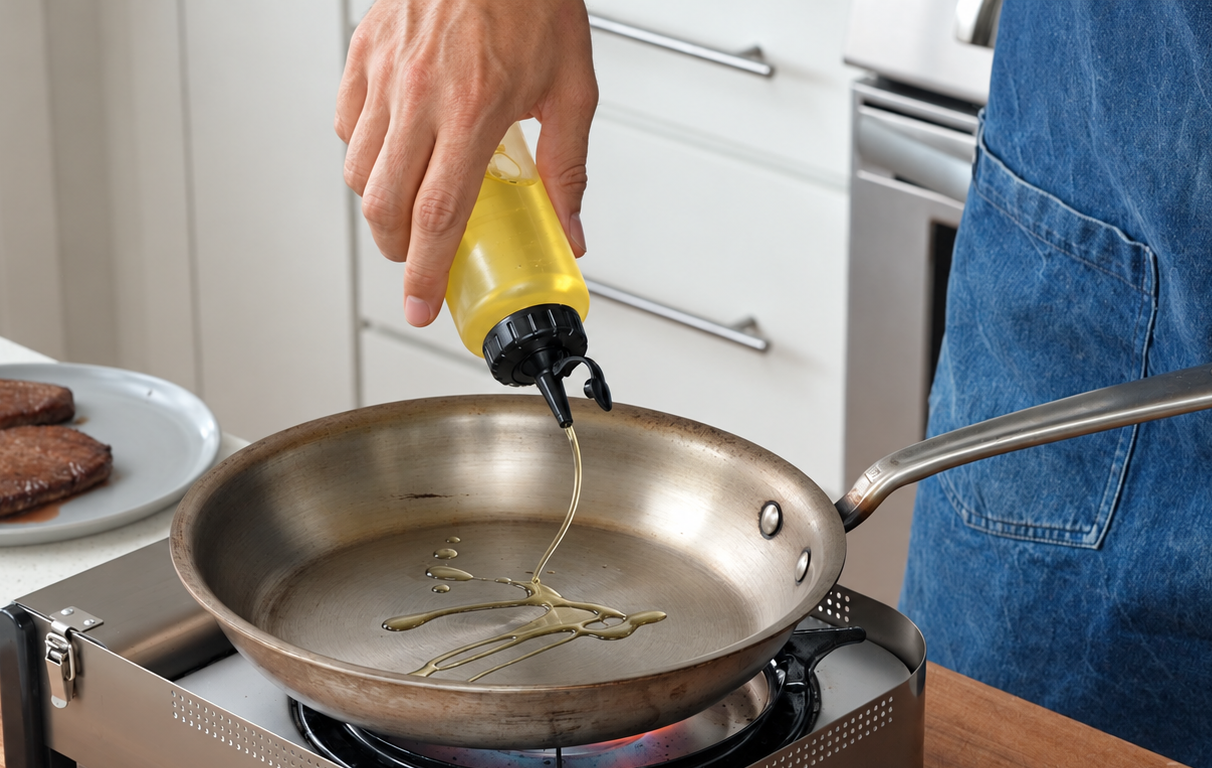

Worth keeping filled with your everyday cooking oil for control and tidiness. You can add exactly the amount of oil (or sauce) you need without the uncertainty and mess of pouring straight from the bottle.
The main reason I use these is control. If you pour oil straight from a large glug bottle, there’s a small window between “nothing’s coming out” and “I just added a quarter cup.” A squeeze bottle lets you add exactly as much as you want.
It also keeps the outside of your oil bottle (and your countertop) from becoming an oil slick.
When I was a line cook, these were valuable enough that cooks would wash their own bottles at the end of the night and hide them so they didn’t get stolen by the other cooks. I’d usually have several filled with oil plus some in the refrigerator for sauces.
At home, I use them mostly for oil, but they’re also great for thicker sauces that are awkward to spoon. Crema, mayo-based sauces, dressings, hot sauce, or anything else you want to distribute evenly over food is easier from a squeeze bottle. Plus using one to zigzag sauce over dinner makes you feel more a little more cheffy.
What to look for:
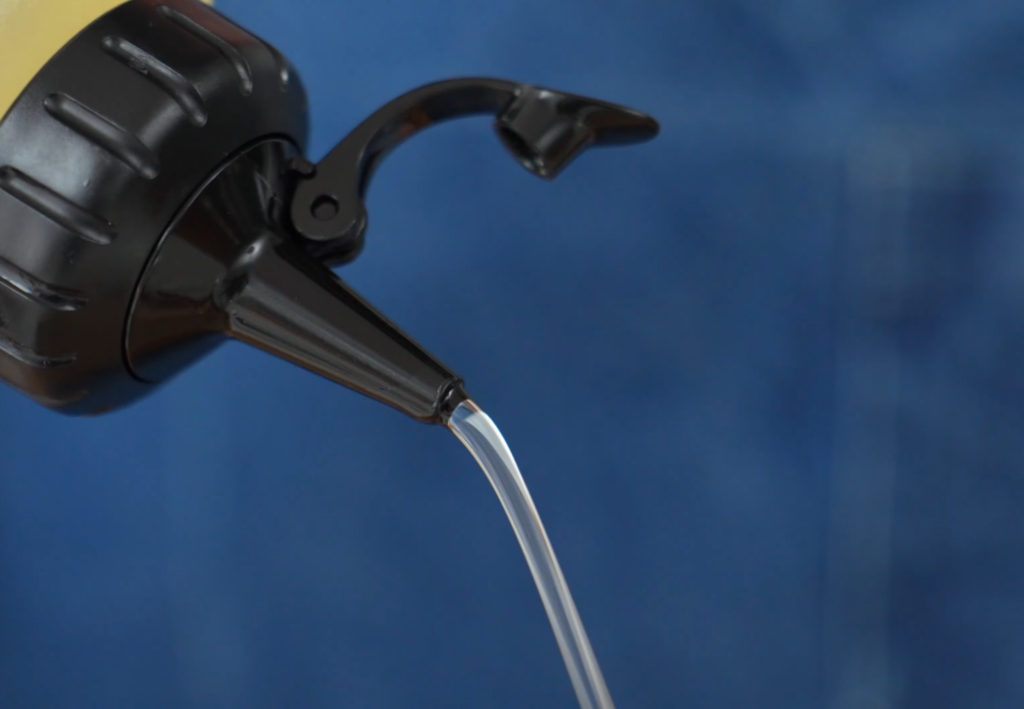
Get a bottle with a well-designed two-piece lid that seals tightly. Cheap squeeze bottles almost always leak around the lid or deform in the dishwasher from my experience.
THIS specific bottle is the only one on the market right now that I’m aware of that doesn’t leak AND doesn’t warp in a dishwasher.
2. Portion Scoops
This is probably the most specialized tool on the list, but if you make cookies, I think it’s worth owning one.

|

|
|
The size I reach for most often for larger cookies, pancakes, muffins, and batters. Especially useful when uniform size affects how evenly something cooks. |
Best for smaller cookies, meatballs, falafel, and other jobs where consistent portions matter. It’s one of those niche tools that makes repetitive prep noticeably less annoying. |
|
$8.99
|
$9.99
|
The size I reach for most often for larger cookies, pancakes, muffins, and batters. Especially useful when uniform size affects how evenly something cooks.
Best for smaller cookies, meatballs, falafel, and other jobs where consistent portions matter. It’s one of those niche tools that makes repetitive prep noticeably less annoying.
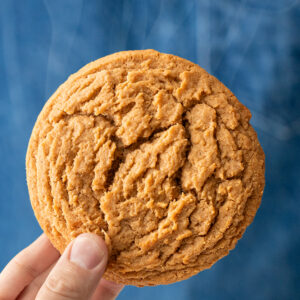
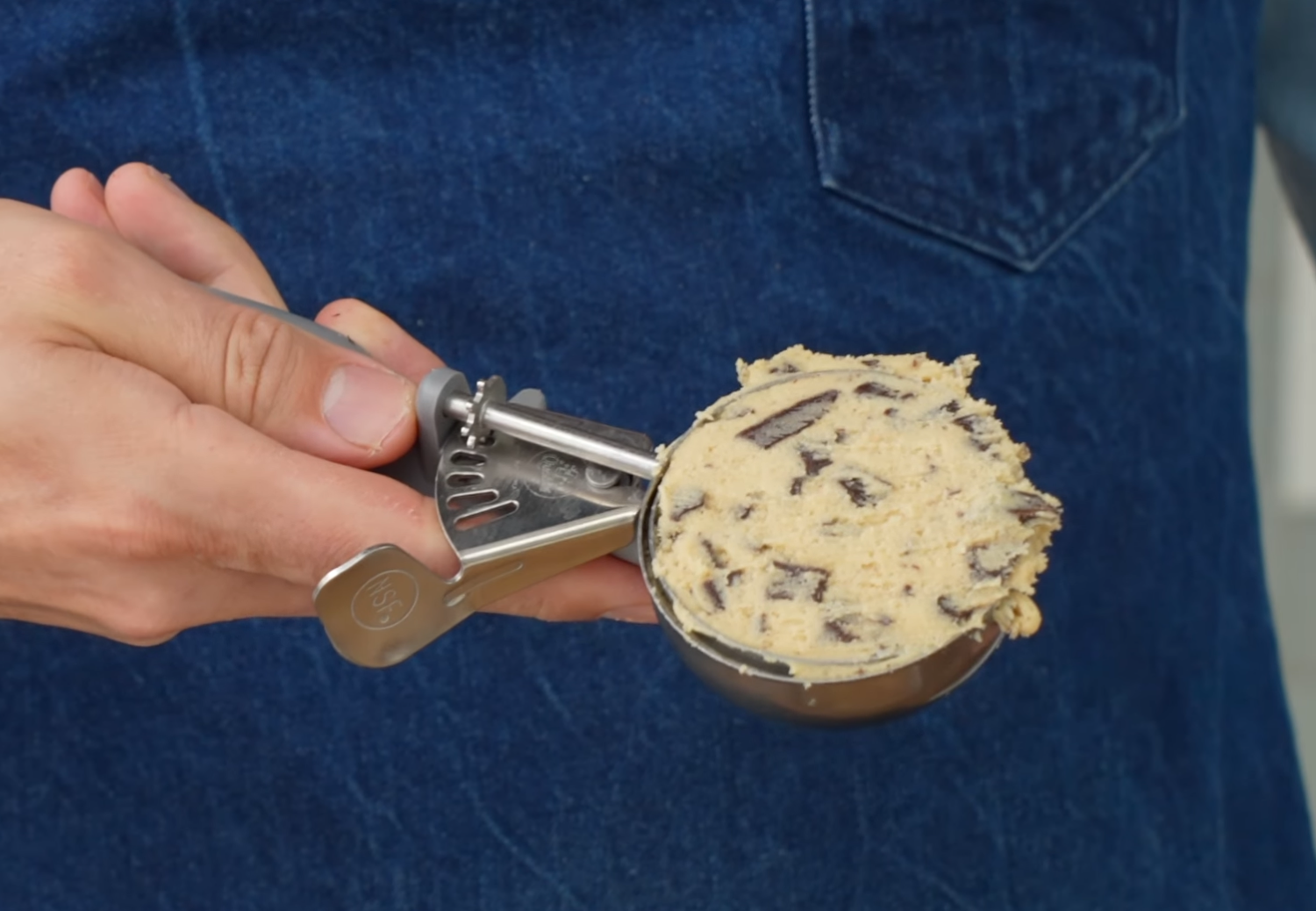
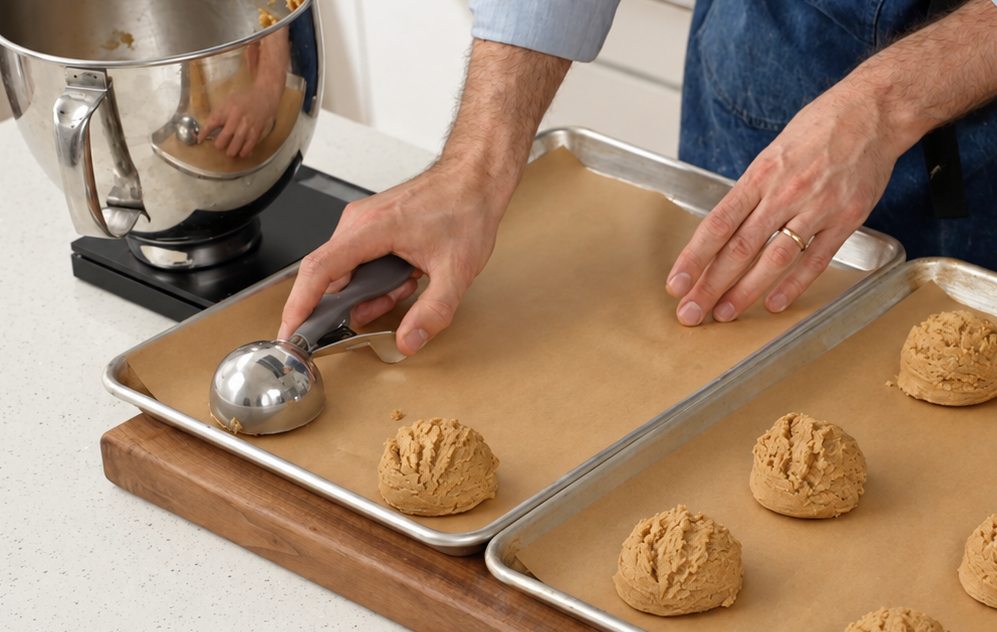
A portion scoop gives you uniformly shaped amounts of dough, which means the cookies bake at the same rate and spread evenly. You don’t end up with one small cookie getting dark while a bigger one is still raw in the middle.
It also creates a nice rounded mound of dough without requiring you to roll it around in your hands. That matters more than you’d think. Handling and compressing cookie dough can develop more gluten and change the finished texture. With a scoop, you can go straight from the mixing bowl to the sheet tray.
I own both a 2-ounce and 4-ounce scoop, and I use them for meatballs, falafel, muffins, cupcakes, pancake batter and plenty of other jobs where I want consistent portions.
What to look for:
For maximum usefulness, I’d start with a sturdy 4-ounce scoop. Add a smaller 2-ounce version if you make smaller cookies, meatballs, or similar mound-shaped foods regularly.
3. A Bench Scraper + Bowl Scraper
These two tools overlap quite a bit, but I own both because each does things the other can’t.

|
|
|
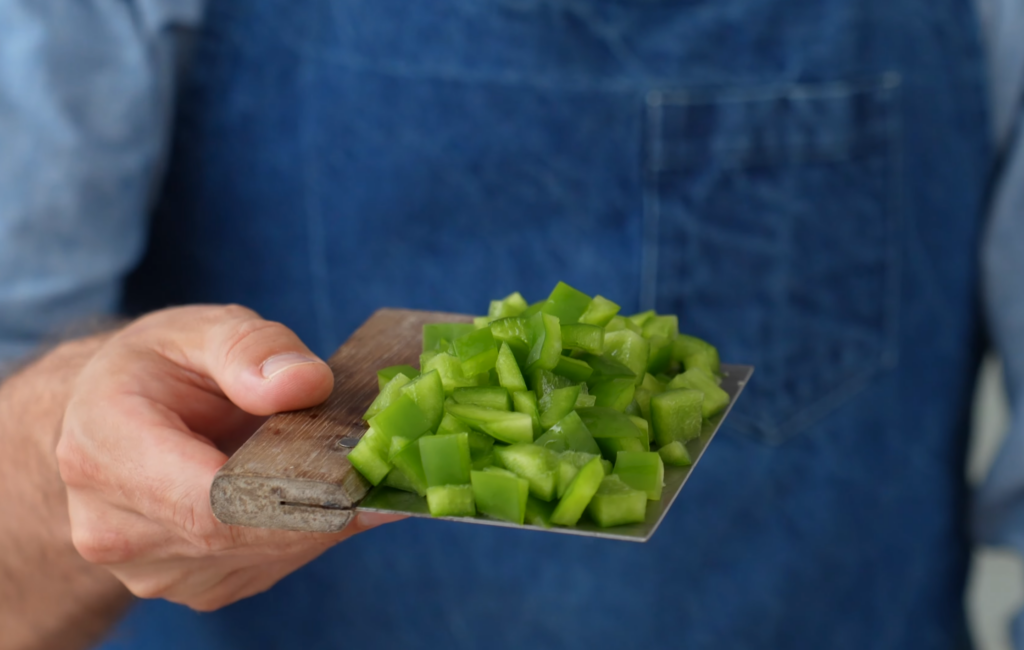
One of my most-used prep tools for moving chopped food, clearing a cutting board, dividing dough, and shaping bread or pizza. Simple, sturdy, and useful for both bakers and non-bakers. |
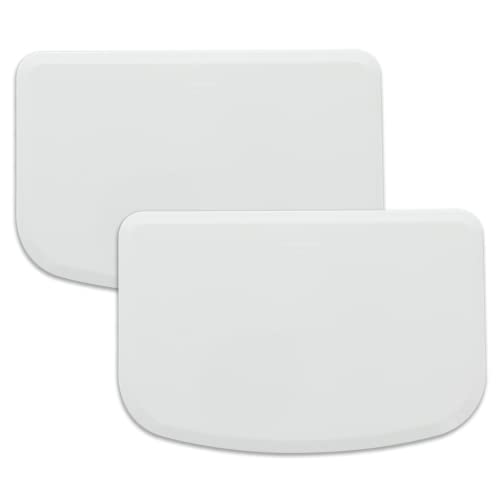
The flexible plastic bowl scraper is great for getting sticky dough (like focaccia) cleanly out of bowls. It’s also good at scraping dried or wet dough bits out of a bowl before washing ...preventing the headache of dough permanently fusing to your sink or dish scrubber. |
|
$5.80
|
$6.99
|
One of my most-used prep tools for moving chopped food, clearing a cutting board, dividing dough, and shaping bread or pizza. Simple, sturdy, and useful for both bakers and non-bakers.
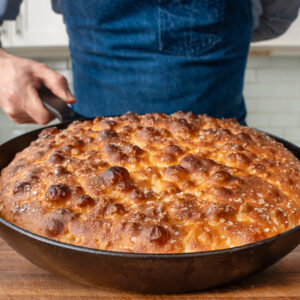
The flexible plastic bowl scraper is great for getting sticky dough (like focaccia) cleanly out of bowls. It’s also good at scraping dried or wet dough bits out of a bowl before washing ...preventing the headache of dough permanently fusing to your sink or dish scrubber.
When I was a line cook, I kept a cheap plastic scraper in the front pocket of my apron basically all day. The big reason was tidiness.
Home cooks have a tendency to finish chopping one ingredient, then move around their cutting board to smaller and smaller pieces of clean real estate while they work. You’re slowly losing available workspace and becoming more frustrated, but you’re not sure why. It’s because you’re cramped. You don’t have a clean place to work. A scraper lets you reset your cutting board between ingredients quickly and effectively.
Scrape onion skins, cauliflower crumbs, flour, or whatever else is left on the board straight into the trash, give the board a quick wipe, and you have a fresh workspace.
What to look for:
For the plastic bowl scraper, any food grade flexible plastic scraper with a rounded edge for should work. For the bench scraper, look for sturdy metal with the plastic or wooden hand hold firmly attached.
4. Pre-Cut Parchment Paper
If you’re still using parchment paper in a roll, this is me trying to save you from yourself.
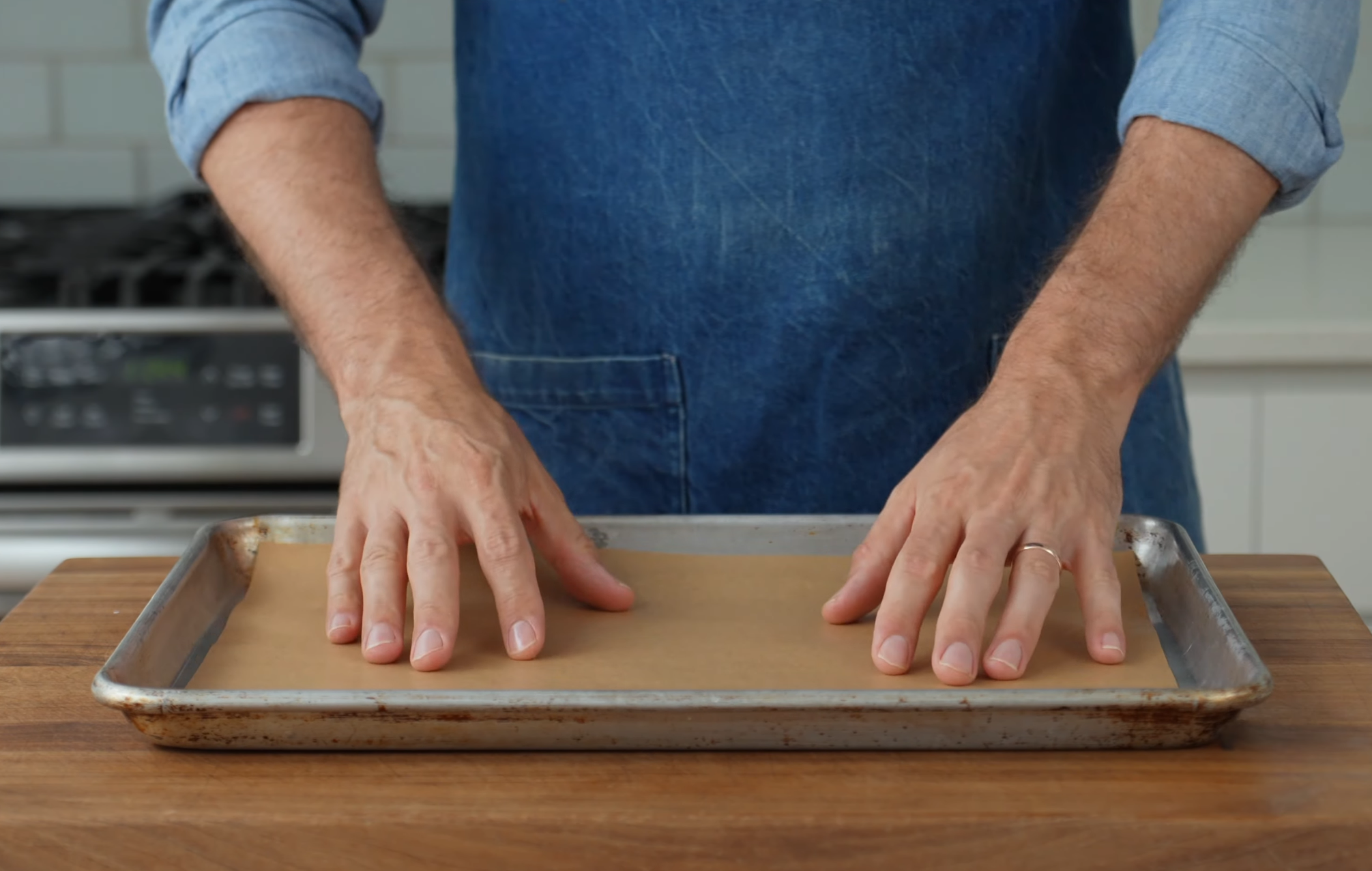
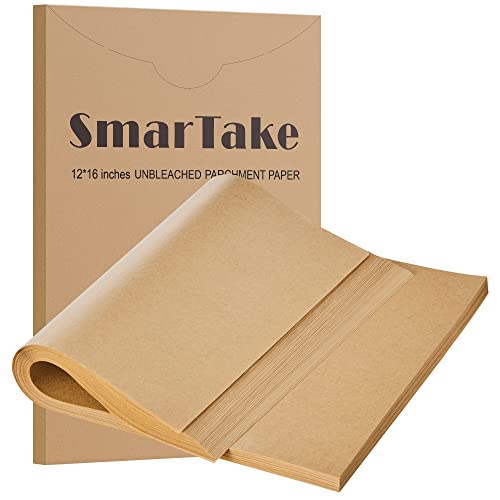
Crucial for weeknight roasting or if you ever use parchment. Period. They cost about the same as rolls, but lie flat and skip the annoying tearing, curling, and fighting with the box.
Hear me out. Buying parchment in pre-cut sheets means no tearing it unevenly against the little serrated edge on the box. Even better, no fighting a sheet that immediately curls itself back into a tube the second you put it on the pan.
The flat pre-cut pieces are especially useful for weeknight cooking because of the easy cleanup. Roast something on parchment, toss the paper when you’re finished and give the sheet pan a quick rinse. A box of roughly 200 sheets costs surprisingly little and lasts a very long time for most home cooks.
This is one of those products that seems absurdly minor until you start using it. Then going back to parchment rolls feels ridiculous. And no, I don’t have an affiliation with big parchment…though I probably should since I’m that passionate about it.
What to look for:
Buy sheets that match the pan size you use most often. I’ve been buying these in the 12’x16′. I keep the half-sheet parchment around because that covers the majority of my baking and roasting. Either fold it in half when using quarter-sheets (or tear it in half if you must).
5. A Spider Strainer
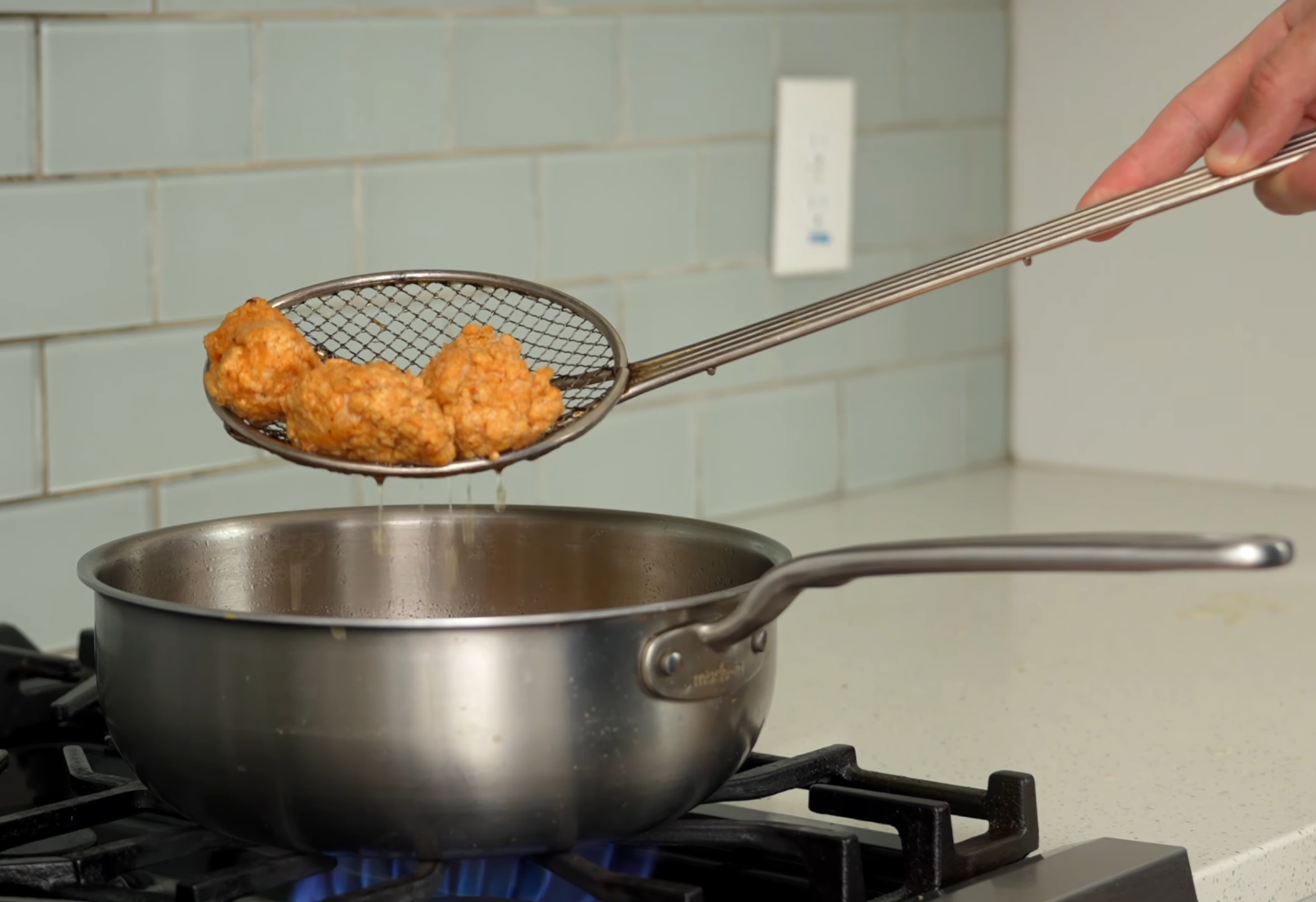
A spider is a wide, shallow strainer attached to a long handle. It’s designed specifically for pulling food out of boiling water or hot oil.

|

|
|
This is what I reach for to pull delicate foods like dumplings or boiled potatoes that you don’t want to dump into a colander. It gives you more control without beating the food up. |
My go-to for frying and pulling larger amounts of food from boiling water or oil. The wide basket means fewer trips in and out of the pot, which is cleaner and more efficient than other tools. |
|
$8.99
|
$19.99
|
This is what I reach for to pull delicate foods like dumplings or boiled potatoes that you don’t want to dump into a colander. It gives you more control without beating the food up.
My go-to for frying and pulling larger amounts of food from boiling water or oil. The wide basket means fewer trips in and out of the pot, which is cleaner and more efficient than other tools.
Most home cooks reach for tongs or a slotted spoon for grabbing food from water or oil. While both work, neither works especially well. The short handle puts your hand closer to hot oil or steam than is comfortable. The small head means you need a bunch of trips back and forth. And every trip gives you another opportunity to drip hot oil or starchy water across the stove.
With the broader head of the spider, you can remove a large amount of food very quickly, excess liquid drains off, and your hand stays farther away from the heat.
I use two sizes. A smaller spider for delicate stuff like dumplings or boiled potatoes that I don’t want to dump aggressively into a colander. The large one is what I use for frying or anytime I’m trying to remove a lot of food from a dutch oven quickly.
If you regularly cook pasta, dumplings, potatoes, fried chicken, French fries, or basically anything submerged in hot liquid, it’s a very easy upgrade.
What to look for:
A long, comfortable handle and a basket large enough to move a useful amount of food, but still small enough to move around in most of your cooking vessels. Also look at the bottom. I don’t like the ones that have exposed metal edges sticking out that could scratch a dutch oven coating.
My go-to for frying and pulling larger amounts of food from boiling water or oil. The wide basket means fewer trips in and out of the pot, which is cleaner and more efficient than other tools.
6. A Conical Fine-Mesh Strainer
A good fine-mesh strainer obviously separates solids from liquids, but that’s not actually why I think it’s worth owning.
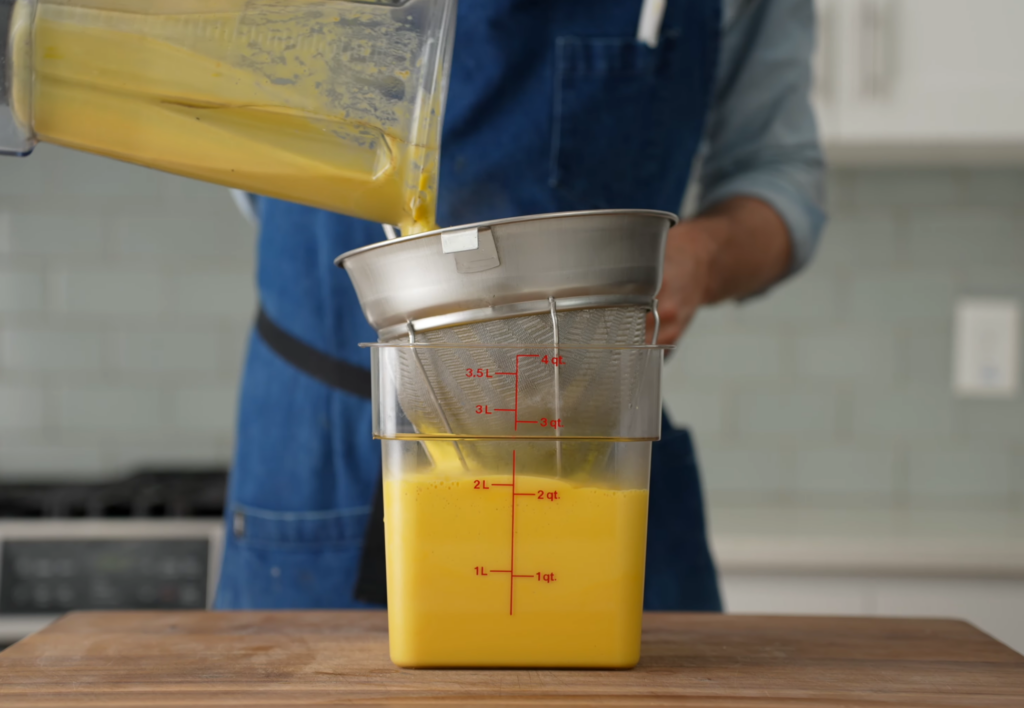

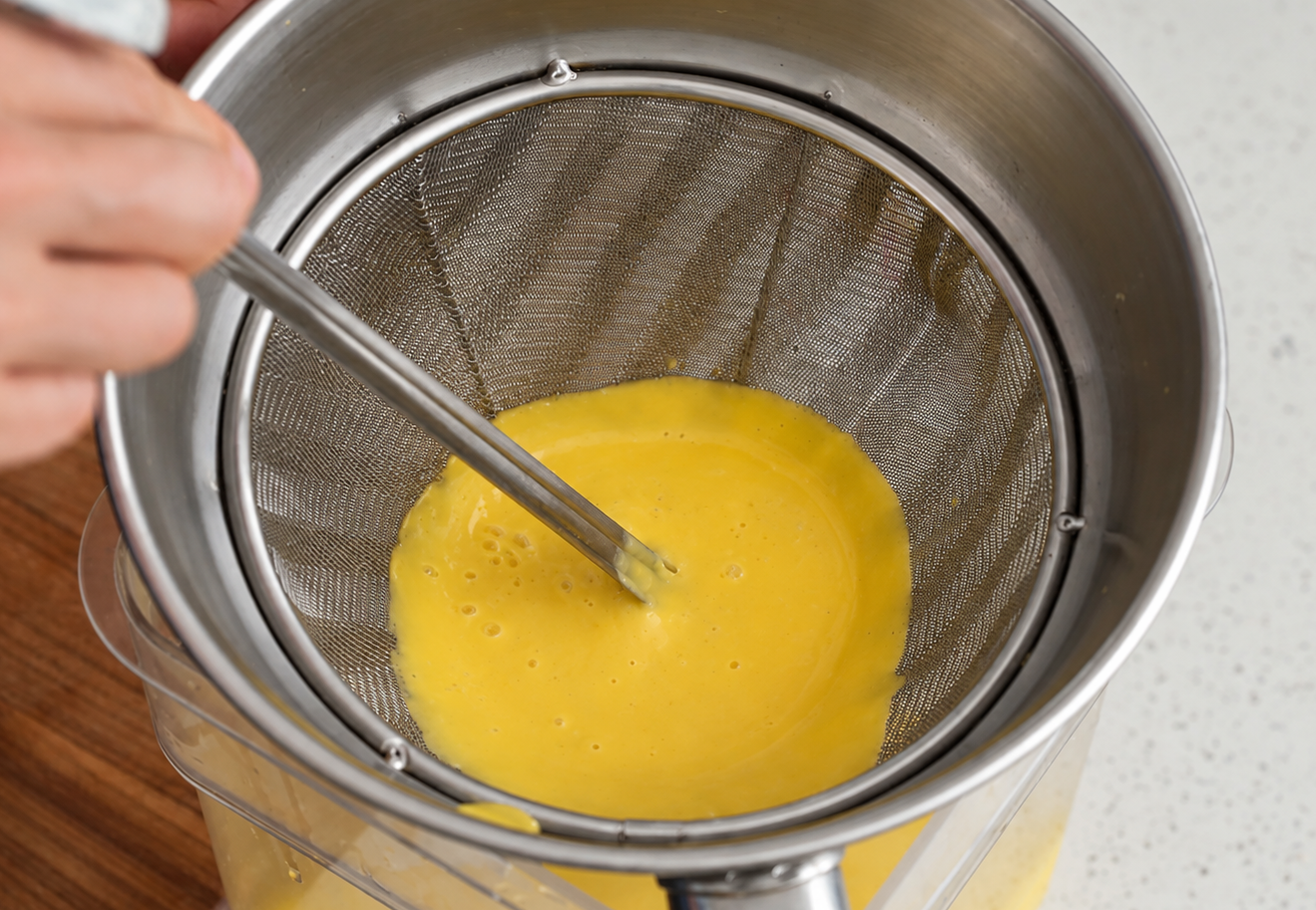
THE tool for getting restaurant-smooth soups, sauces, and purées. I also use it for everyday jobs like rinsing rice and draining pasta, so it earns its place beyond the occasional fancy puree.
If you’ve ever made soup in a powerful blender (ie Vitamix) and wondered why it’s still not as silky as the version you’d get at a good restaurant, the fine mesh strainer is probably what you’re missing.
Restaurants don’t stop after blending. Purees, soups, and sauces are often passed through very fine mesh afterward. That catches tiny fibers, seeds, skins, and other particles that a blender (even a really good one) doesn’t completely eliminate.
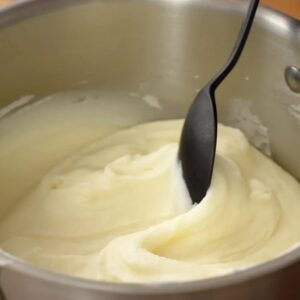
This is also the secret weapon behind my potato puree. Press the potatoes through a fine-mesh strainer after smashing and you end up with something that’s in a totally different category than regular mashed potatoes…smooth, glossy, almost absurdly silky.
I use mine conical strainer for more normal jobs too like draining beans, rinsing rice, or draining pasta. I don’t even own a colander. I use this instead.
If you’re trying to make your food feel a little more restaurant-y, especially soups and purees, this is one of the few tools on this list that can meaningfully change the texture of the finished dish.
What to look for:
Very fine mesh, a sturdy frame, and enough capacity to actually strain a batch of soup or potatoes. These are also often called bouillon strainers.
ALSO, while not an official item on my list, you’ll want to use a small metal ladle in conjunction with the conical strainer to actually plunge and force the potatoes or soup through the mesh. A wooden spoon can work, but the small ladle is a much better tool for the job.
7. Cotton Side Towels (aka Bar Towels)
This isn’t technically a kitchen tool, but it might be the thing on this list I’m most passionate about.
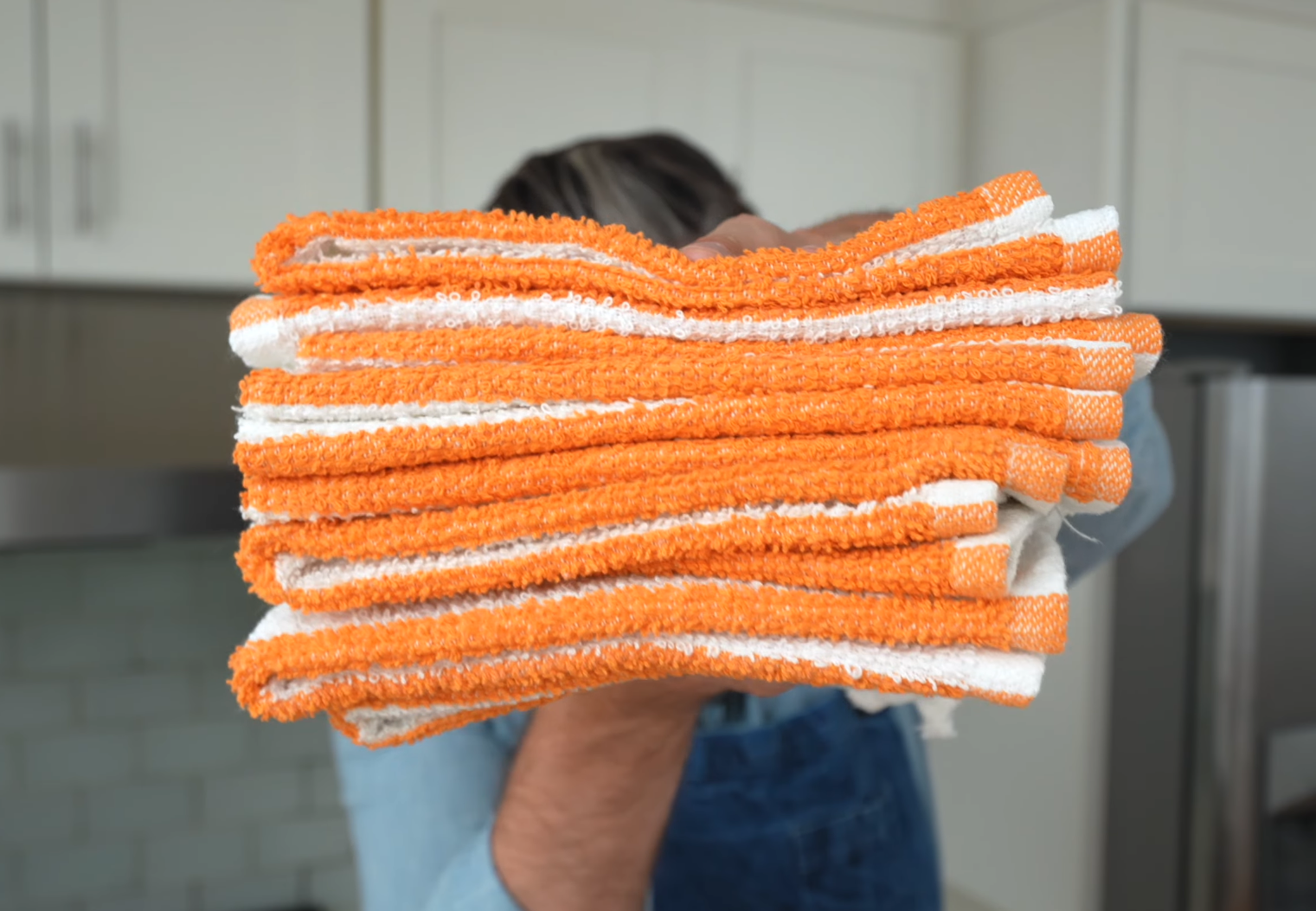
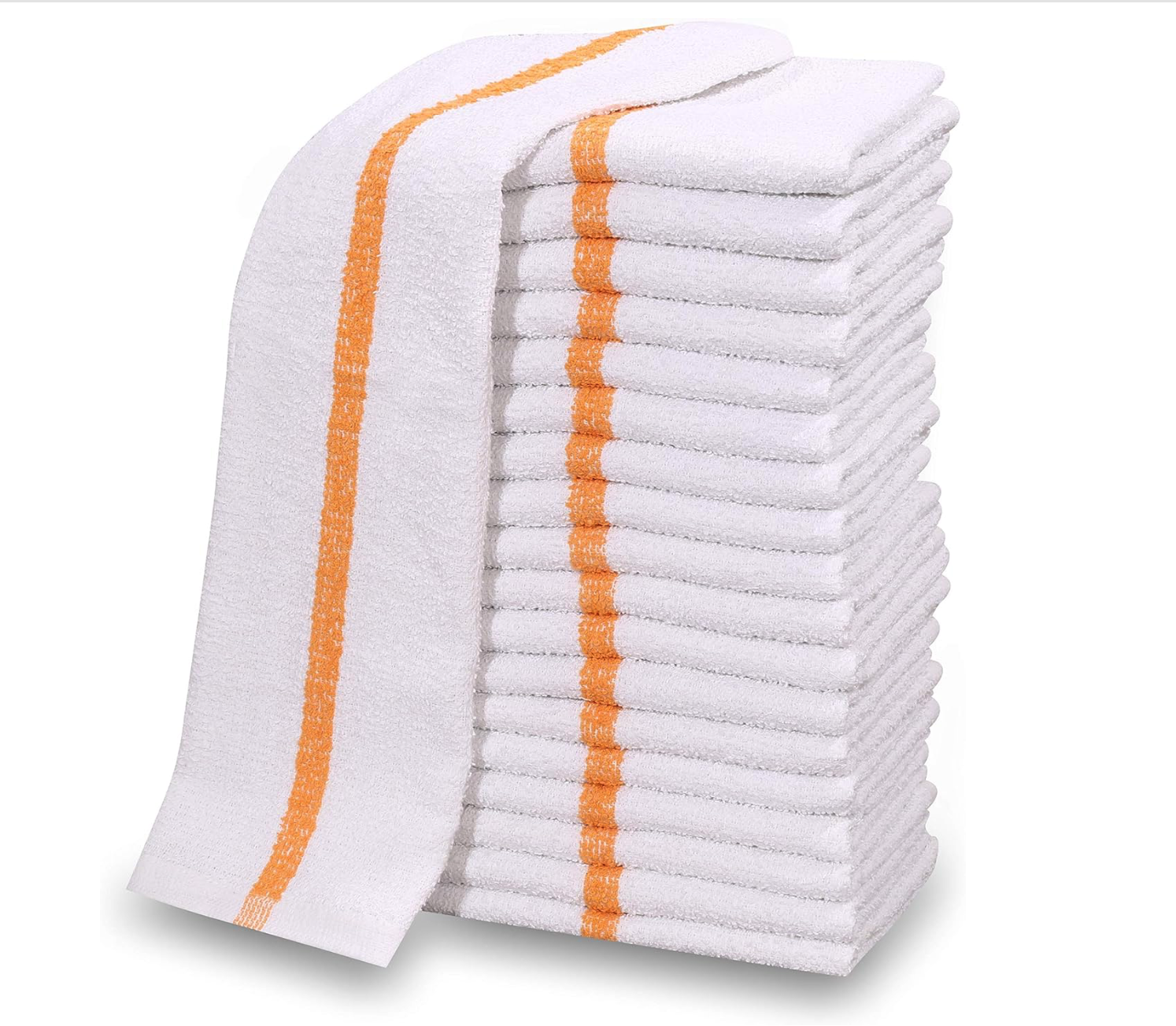
Absorbent, multi purpose towels that aren't too delicate for tough jobs. Uses include wiping down your cutting board during prep, quickly drying your hands, and using them as an oven mitt or hot pad.
I like to have a bunch of plain cotton restaurant side towels in my kitchen.
Not two.
Not four.
I would start with at least 12. Twenty-four is better. Thirty-six is luxurious.
The decorative towels in most home kitchens are terrible cooking tools. They’re usually thin, not that absorbent, and too nice to wipe chicken juice off the counter with.
Restaurant towels are meant to get destroyed. I usually keep one near the sink for drying my hands, one that’s partially damp for cleaning my cutting board and workspace, and another dry towel or two near the stove that I can use to grab hot pans.
When I cooked professionally, towels were rationed because they were so useful. You’d get a few at the beginning of a long shift and if you soaked or dirtied all of them early, the rest of the day became significantly worse.
At home, you don’t need to live like that. Buy a stack. Use a clean towel whenever you need one. Throw dirty ones in the laundry. Enjoy towel abundance. It’s a surprisingly cheap way to make cooking feel much more organized.
One important note:
Never grab a hot pan with a wet towel. Water transfers heat extremely efficiently and can cause a serious burn. Keep the towel you use for hot cookware completely dry.
8. Tweezer Tongs
Tweezer tongs are exactly what they sound like: giant heat-resistant tweezers.
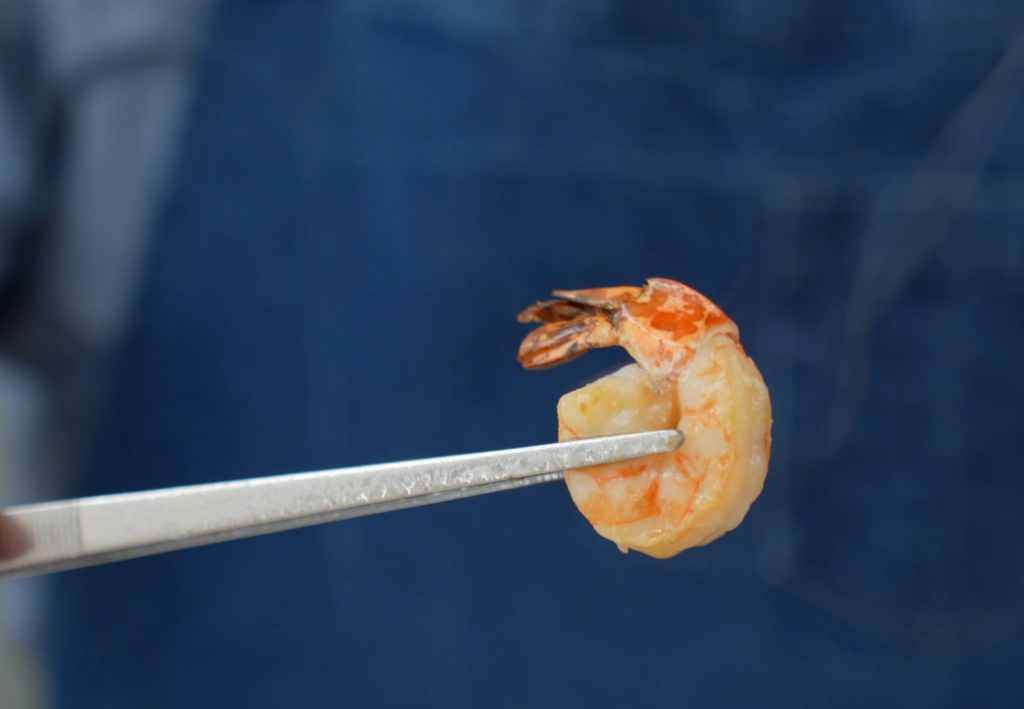

Think of these as a heat proof extension of your fingertips. I reach for these over traditional tongs when I need to turn small individual items like shrimp or mushrooms or grab a piece of pasta to test for doneness. Of course, they're also a great tool if you like to plate up your food in a beautiful way and add intricately placed garnish to your dishes.
I still use regular tongs because nothing beats them for grabbing large pieces of food. But a surprising amount of cooking involves much smaller movements.
Tweezer tongs are useful for things like flipping one shrimp. Turning over a mushroom. Pulling a noodle out of boiling water to check whether it’s done. OR to fish a bay leaf or sprig of thyme out of a braise.
They give you dramatically more control and dexterity than traditional tongs and essentially work like an long set of heat-resistant fingertips.
They’re also great for plating because you can position individual pieces of food exactly where you want them. So if you’re into making your food look beautiful on a plate, this might be a good tool to have in your drawer.
Do they make cooking significantly faster? Probably not. BUT do they make it easier and more fun? For sure.
I’m a believer in tools that make the physical act of cooking more enjoyable, and even for $20 bucks, these earn their drawer space.
9. Quarter Sheet Pans
Most home cooks own a half-sheet pan. A quarter sheet pan is exactly half that size, and I probably use one every day.
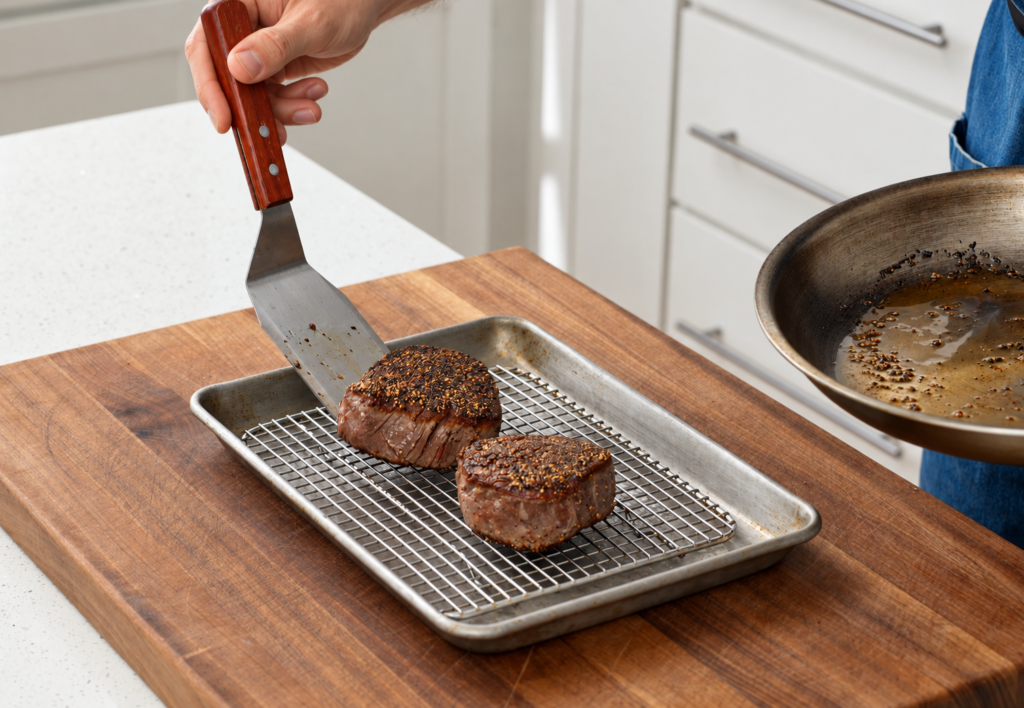

The half-sheet pan is my tried and true, but I reach for this quarter sheet pan MANY times per week. You can fit two of these side-by-side in the oven and they're just a better tool for cooking small quantities because they're much easier to clean than a larger sheet tray.
A surprising amount of food just doesn’t require an entire half sheet tray. For example…
A bunch of asparagus.
A head of broccoli.
A few handfuls of nuts.
A small batch of potatoes.
All of that fits comfortably on a quarter sheet, which is easier to carry, easier to wash, takes up less room in the dishwasher, and leaves more room in the oven.
The other major advantage is that you can usually fit two quarter sheets next to each other on the same oven rack. That’s extremely useful for dinner.
Maybe chicken thighs are roasting on one rack and you want potatoes and broccoli on another. If the potatoes need 40 minutes and the broccoli needs 20, putting them on separate quarter sheets means each can come out exactly when it’s done instead of forcing two unrelated foods onto the same pan.
I also use quarter sheets constantly as prep trays. They’re great for holding mise en place, seasoned meat, chopped vegetables, or anything else that needs to temporarily get off your cutting board.
They’re boring. They’re cheap. They’re absurdly useful.
What to look for:
Heavy-gauge aluminum quarter sheets without a nonstick coating. Buy at least two.
10. A Fish Spatula
Ignore the name. A fish spatula is one of the best general-purpose spatulas you can own.
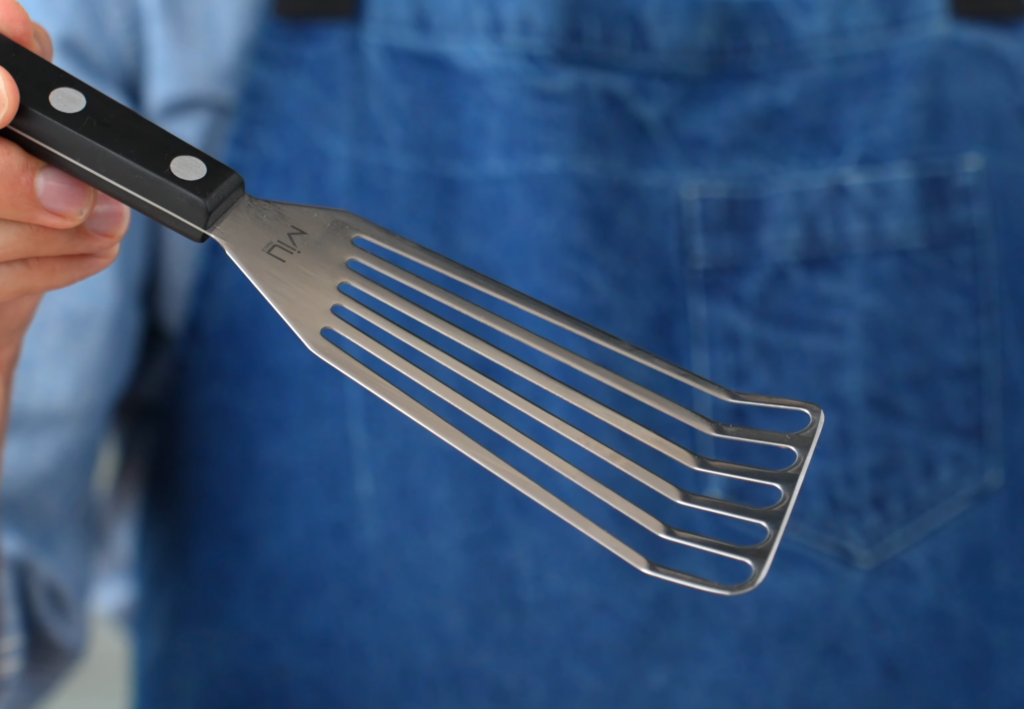
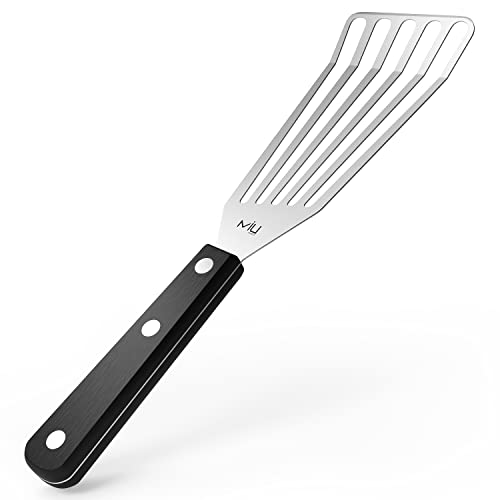
A spatula I used in restaurants ALL the time, but they're not just for fish. Home cooks can get a lot of mileage out of this tool too. Think non-fish tasks where a regular spatula is too thick or rigid like lasagna, eggs, pancakes, meatloaf, cookies, or grilled sandwiches.
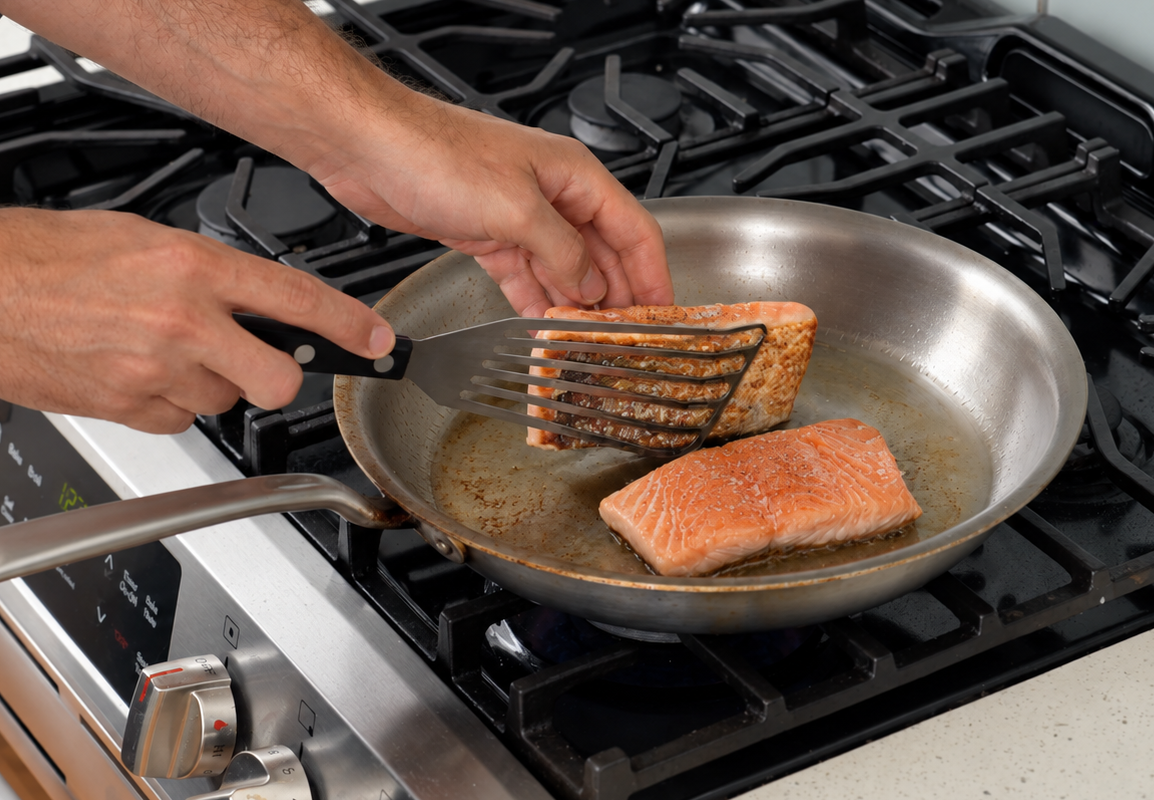
The thin leading edge slides under food easily. The angled blade gives you leverage. The broad surface supports delicate food while you’re moving it, and the slots allow excess oil or fat to drain away.
Yes, it’s excellent for fish. It’s also excellent for eggs, pancakes, burgers, grilled cheese, cookies, meatloaf, lasagna, and almost anything else that needs to be flipped, lifted, or transferred without falling apart.
I especially like it for foods that are delicate right after cooking. A warm cookie, piece of fish, or slice of lasagna can easily collapse when you try to move it with a narrow spatula. The fish spatula supports much more of the food at once.
What to Look For:
Mine is metal. Technically, manufacturers will tell you not to use metal utensils on nonstick cookware, and they’re correct that metal can scratch it. I still carefully use my fish spatula with nonstick because I like the tool that much, but that’s a tradeoff you should decide for yourself.
If protecting your nonstick cookware is the priority, look for a nonstick-safe version or use the metal spatula only on stainless, cast iron, carbon steel, and sheet pans.
You Don’t Need Fancy Tools to Cook Better
The common thread here is that none of these tools is particularly impressive. There’s no $500 appliance or gadget that can revolutionize your life. These are mostly inexpensive pieces of equipment that restaurant cooks figured out a long time ago because they make repetitive cooking tasks easier, cleaner, faster, or more precise.
That matters for home cooking, too. If I were building my kitchen from scratch, I wouldn’t necessarily buy all 10 tomorrow. I’d pick the two or three that solve problems I already run into regularly.
If you’re a big bread baker, get the scrapers.
If you roast dinner several nights a week, buy quarter sheet pans and pre-cut parchment.
And if you currently own three decorative kitchen towels that you’re afraid to stain, don’t be afraid to pick up a giant stack of cheap white restaurant towels.
Sometimes the best kitchen upgrade isn’t learning a new technique. It’s making small adjustments that increase your ease and enjoyment of your day-to-day cooking.