
Restaurant-Style Potato Purée (For a Crowd)

Updated Oct 28, 2026, Published Dec 03, 2024
This post contains affiliate links. Please see our disclosure policy.
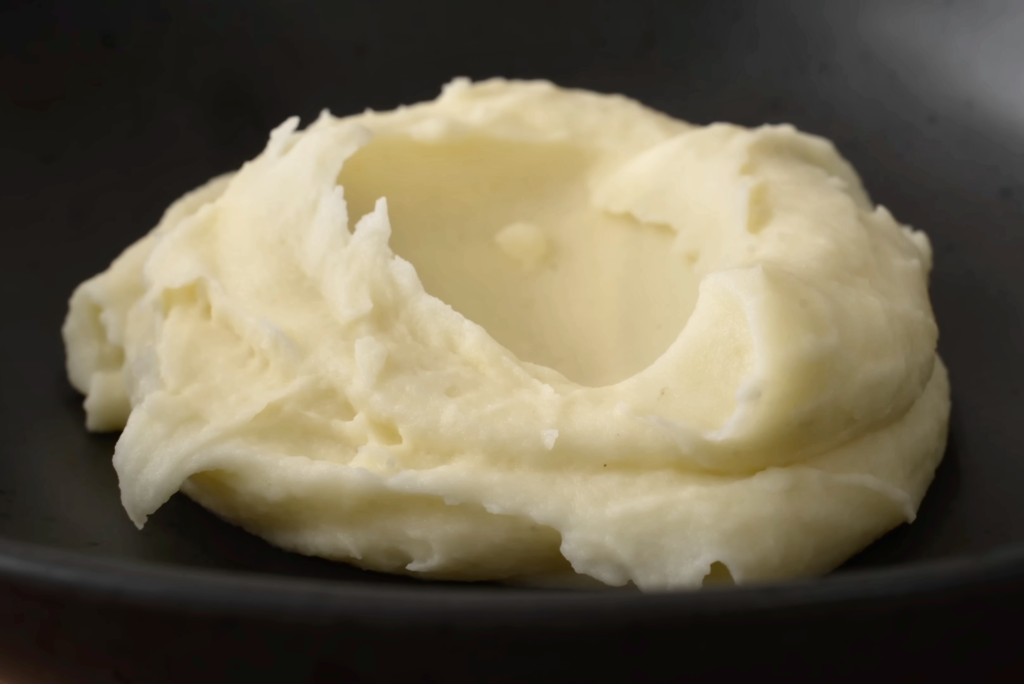
This ultra silky restaurant-style potato purée recipe is built specifically for a crowd.
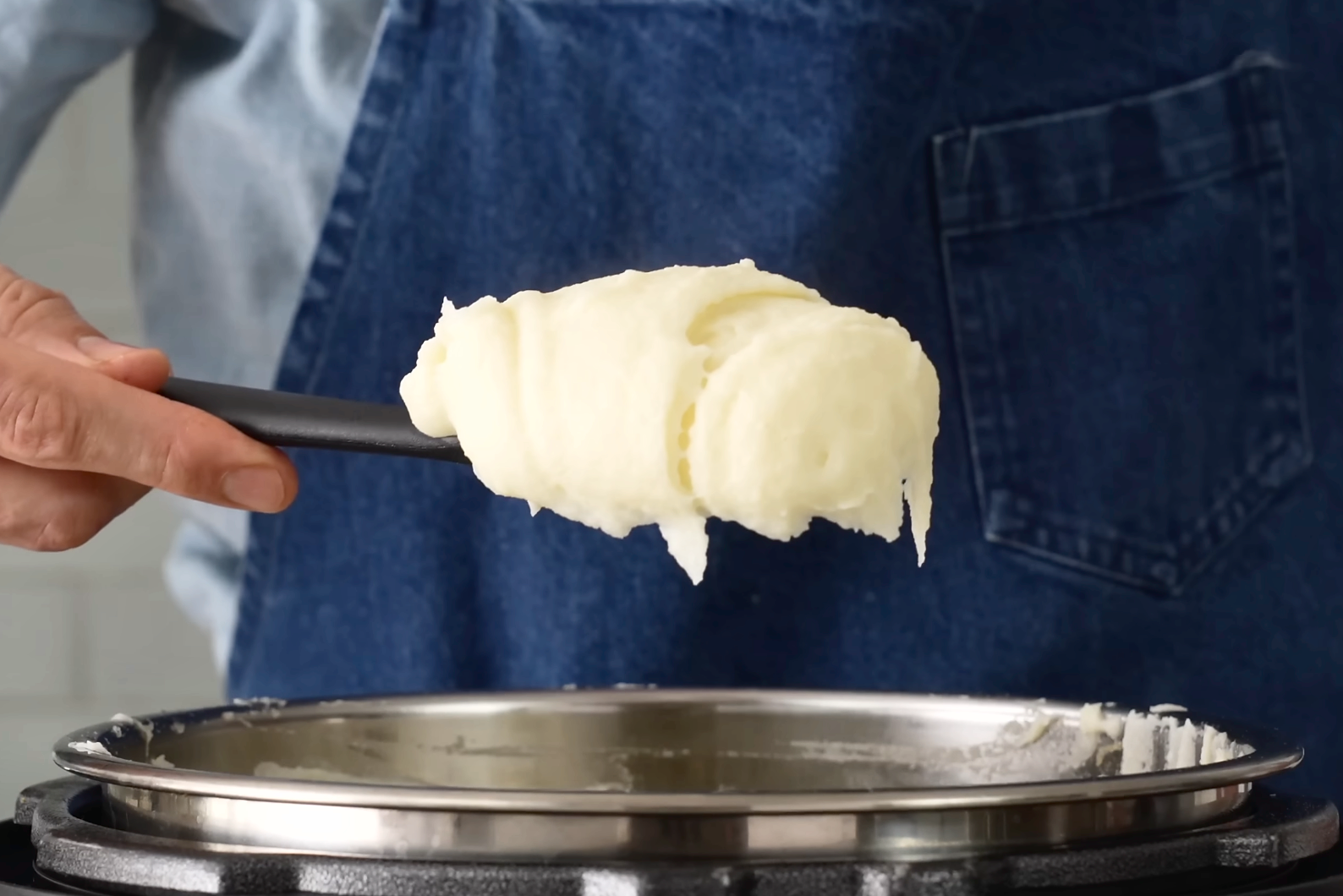
Table of Contents
Why This Potato Purée Recipe Delivers
Besides plenty of butter and cream, the technique is major thing that makes this recipe a winner. After cooking potatoes until tender and mashing with warmed butter and cream (emphasis on warm) we pass the entire thing through a fine mesh strainer.
This process is more work than standard mashed potatoes, but passing the potatoes through the mesh removes all traces of lumps. We’re also paying close attention to the potato temperature. Keeping the butter, cream, and potatoes warm throughout the process results in silky and smooth potatoes instead of gluey.
The extra steps are the keys to turn your rustic lumpy potatoes into the silkiest potato product you can eat.
Brian’s Pro Tips
Cook the Potatoes All the Way
You’re looking for potatoes that are complete tender before mashing. A knife or fork should slide through without resistance. Potatoes that are still firm in the middle can get gluey.
Drain Off Excess Water
Be sure all water is drained off the cooked potatoes before adding butter and cream.
Keep Everything Warm
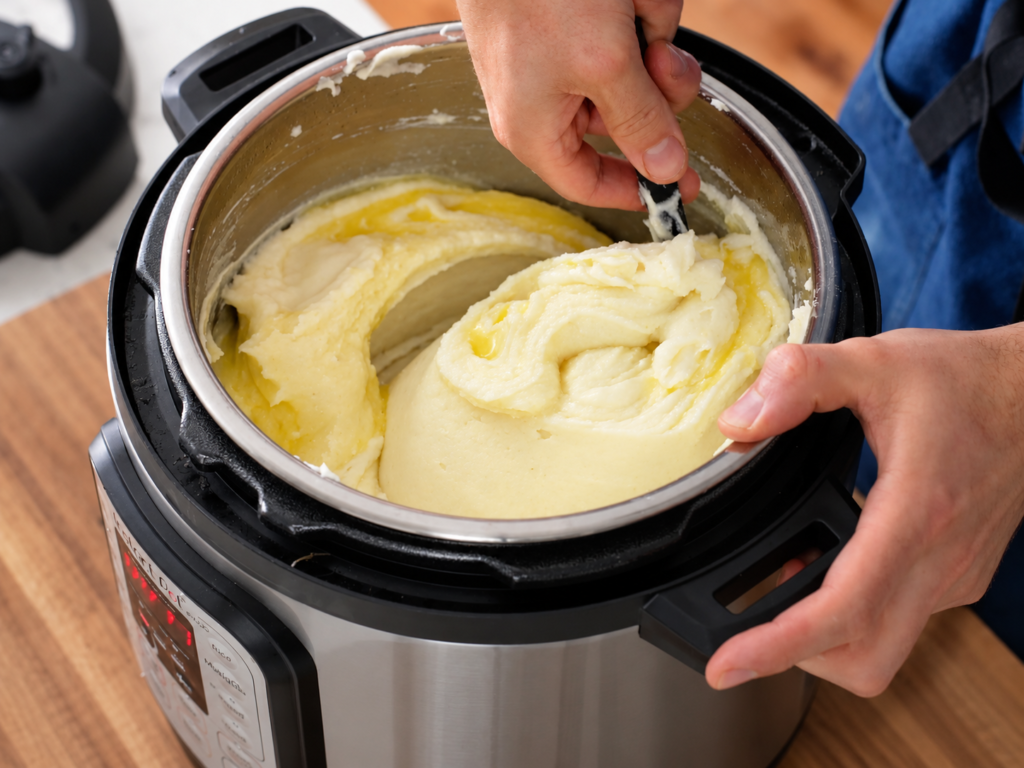
Once the potatoes are cooked, work quickly. Melt the butter ahead of time and keep the cream warm. Keep a lid on the mashed potato pot and move the passed puree into a slow cooker or instant pot to keep warm while you finish passing them through the strainer.
Butter First, Cream Second
When I made potato puree in restaurants we did it this way. From my experience when butter is added first it coats the potatoes and gives the puree a more buttery flavor.
Key Ingredient Notes & Substitutions
Full ingredient list and amounts are in the recipe card below.
Russet Potatoes
Russets are the move here. Their high starch content gives you the fluffy, smooth base needed for this style of purée. This recipe uses a full 10 pounds because it’s built for a Thanksgiving crowd.
Substitute with Yukon Golds BUT note that the puree will be a little sweeter (which I don’t love)
Kosher Salt
I use Morton kosher salt flakes for this and all of my recipes unless otherwise noted. It’s going to melt into the potatoes a bit slower than iodized table salt would which is why you’ll want to give the potatoes a good stir after adding salt before tasting.
How to Make Potato Purée
Prep and cook the potatoes.
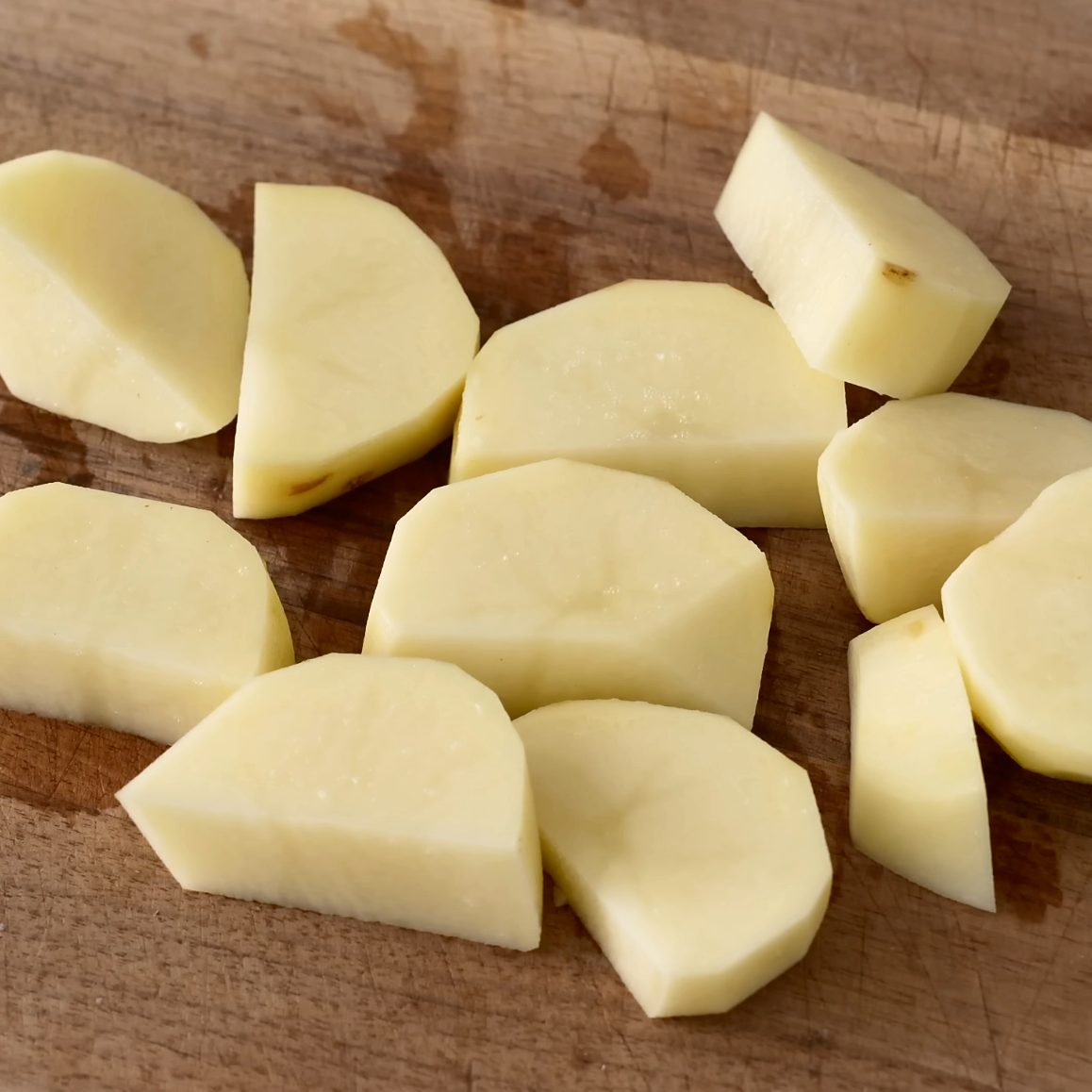
- Peel 10 pounds / 4.5 kg russet potatoes and cut them into large, roughly even pieces.
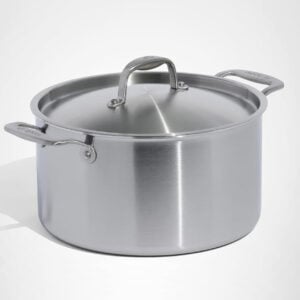
- Transfer them to a large pot and cover with water.
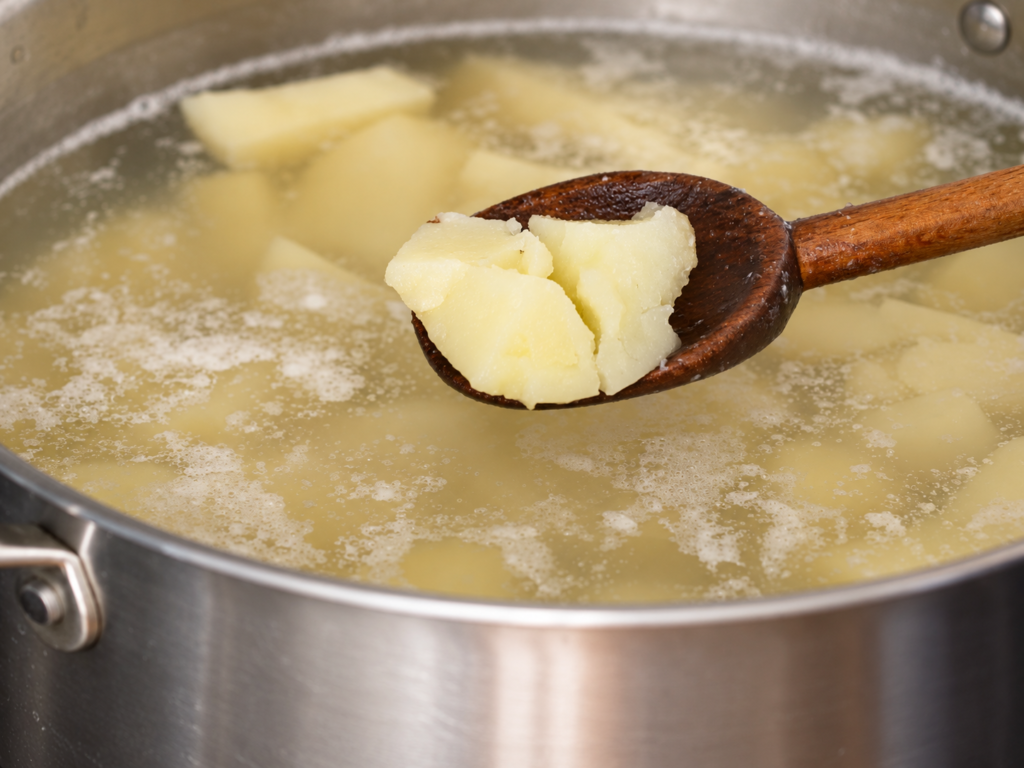
- Bring the pot to a boil over high heat, then reduce to medium and gently simmer for 25-30 minutes until the potatoes are completely tender.
Better to be a little over cooked than under here. They need to be soft all the way through.
Warm the butter and cream.
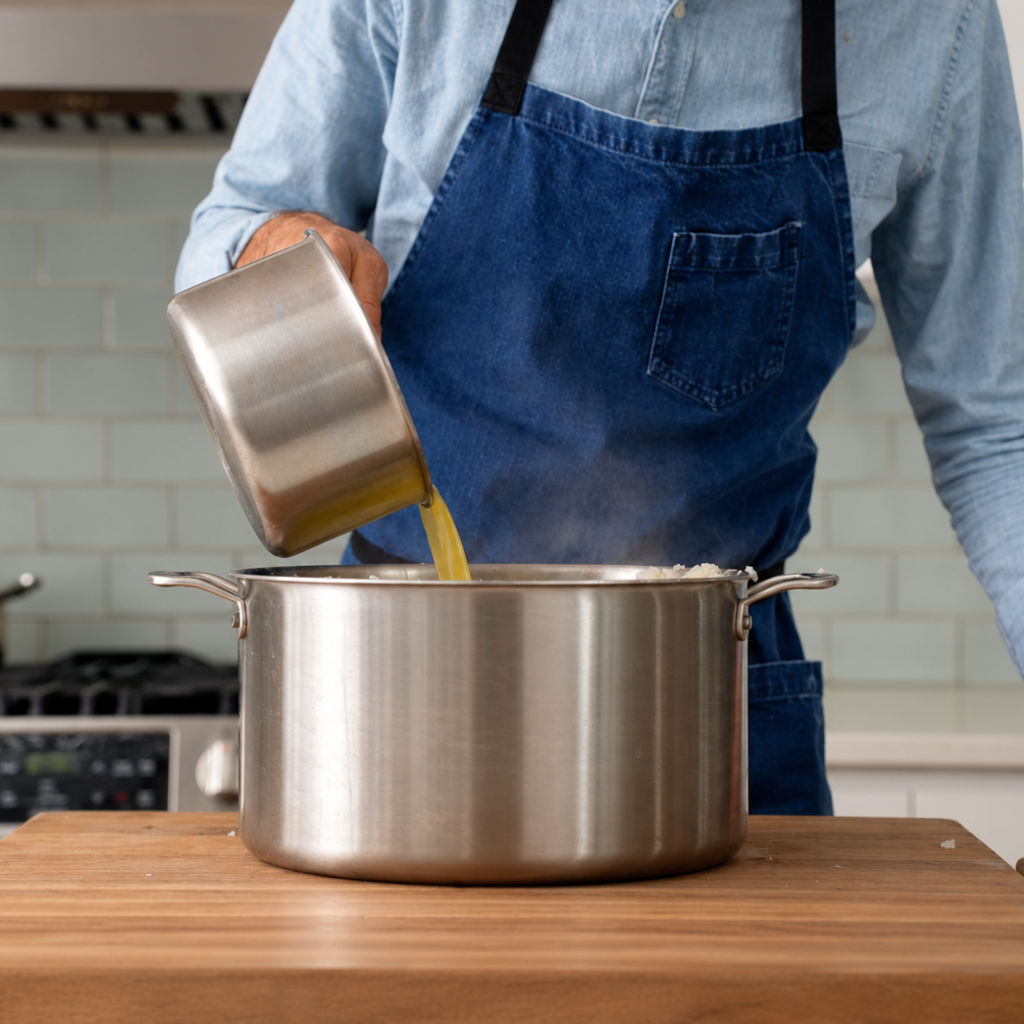
- While the potatoes cook, melt 450 g butter in a small saucepan over low heat. In a second saucepan, gently warm 350 g heavy cream. Keep both warm. Don’t boil the cream.
Drain and mash with the butter.
- Once the potatoes are tender, drain them very well and immediately return them to the warm pot. No water should be left in the bottom of the pot.
- Pour in the melted butter and begin mashing and stirring it into the potatoes with a wooden spoon.
- Once the butter is fully incorporated add the warm cream and continue mashing and stirring until the mixture is smooth and evenly combined.
At this stage they’ll look like very rich mashed potatoes.
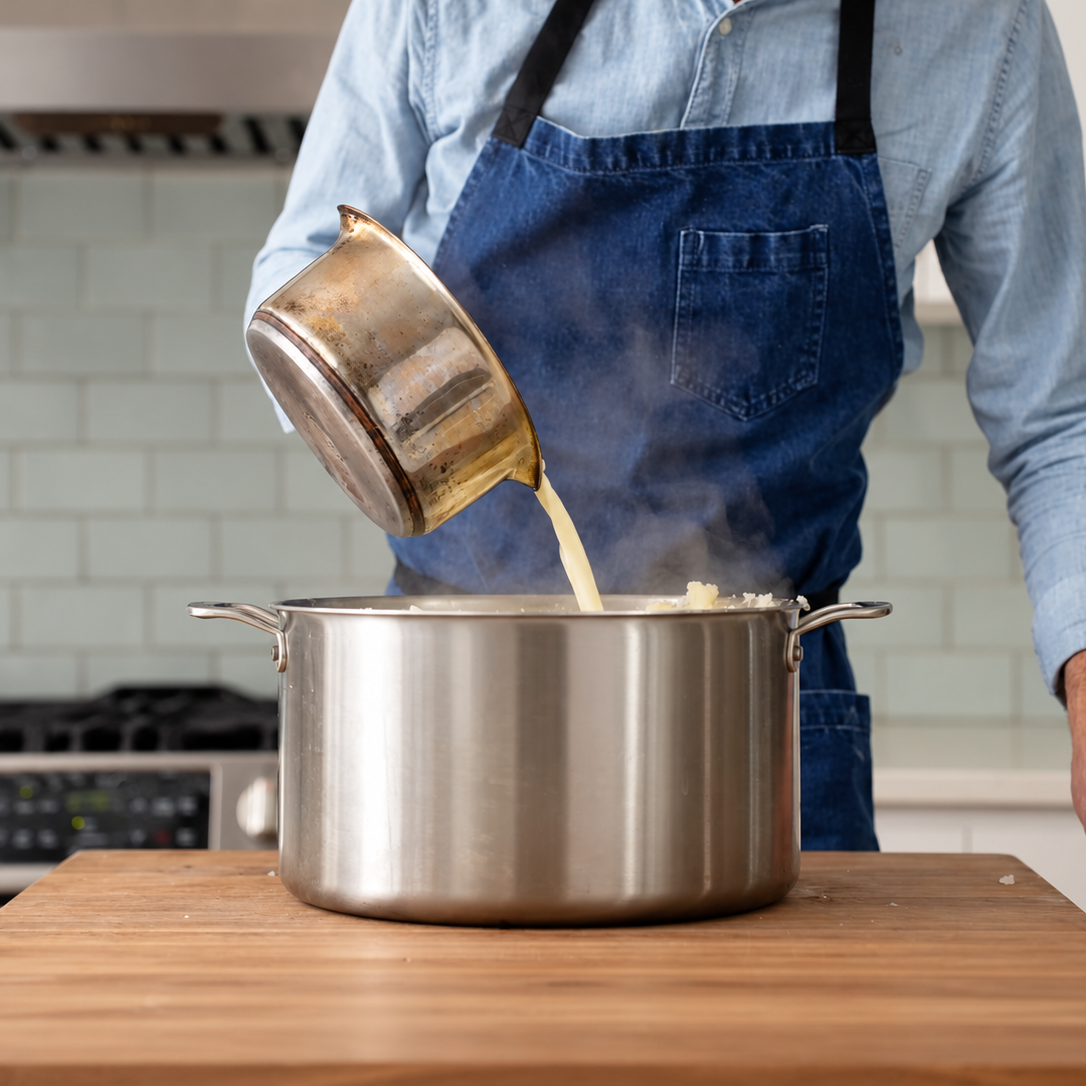
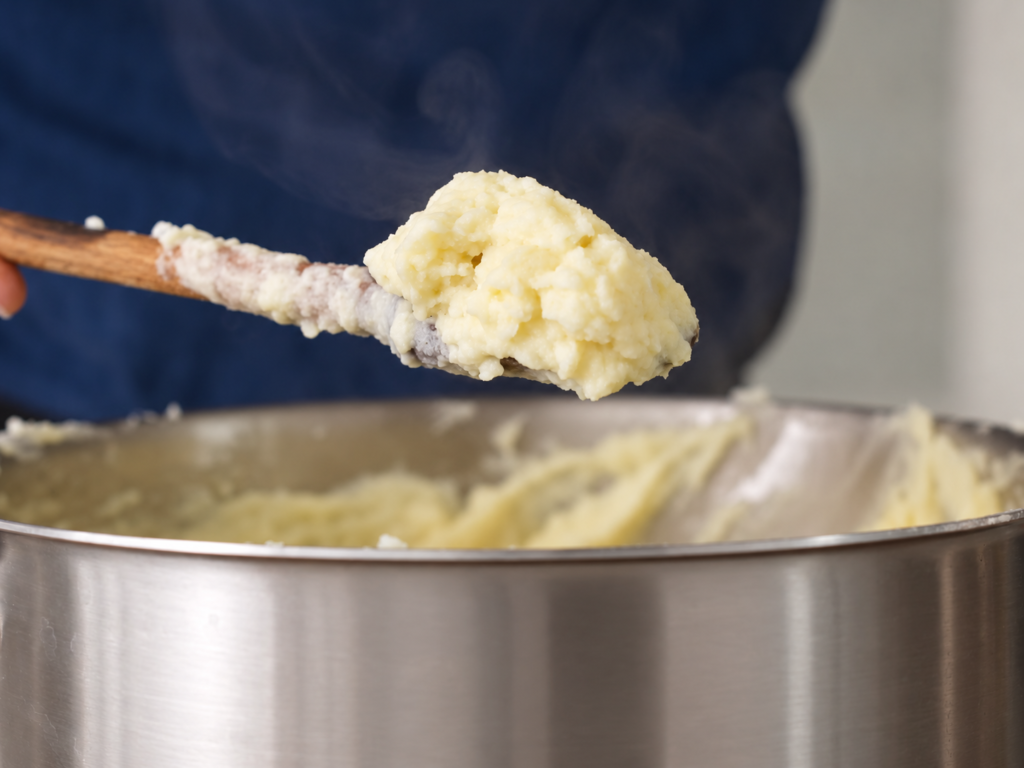
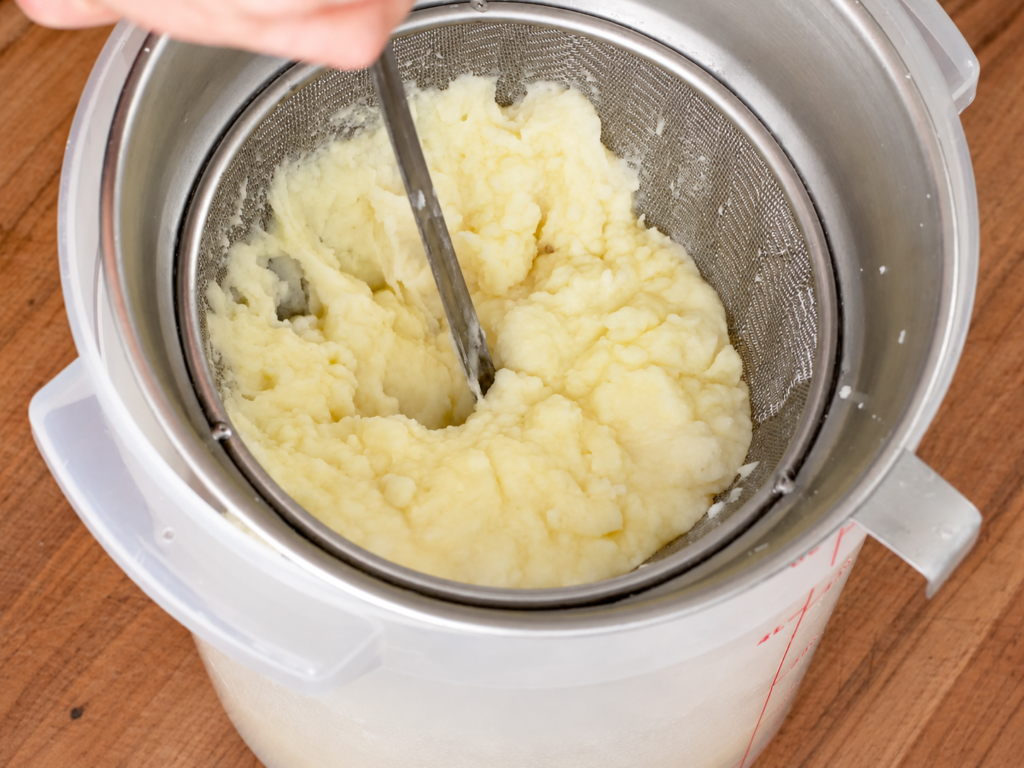
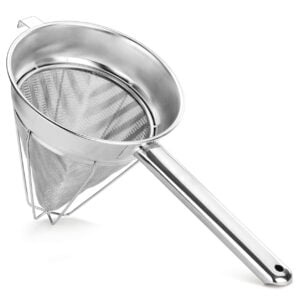
Pass the potatoes through a fine-mesh strainer.
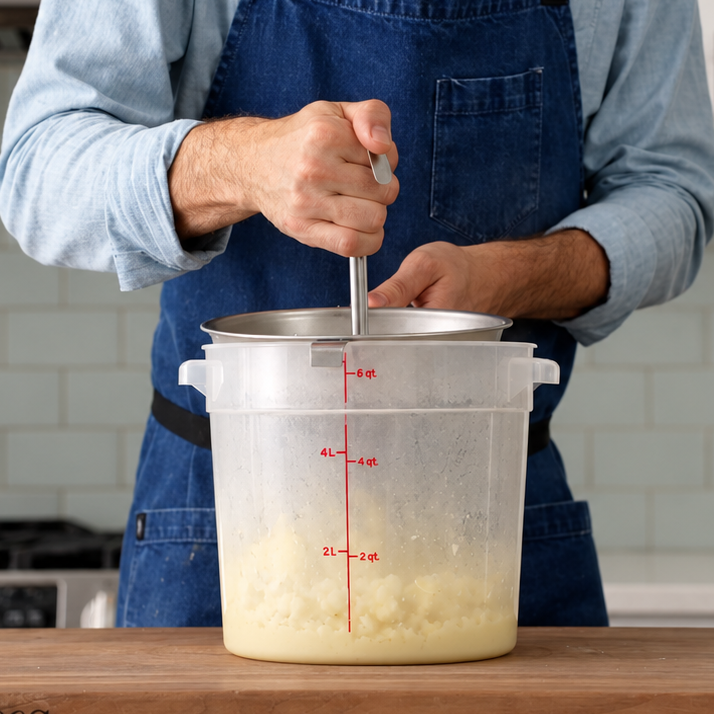
- Set a fine-mesh strainer over a large clean container or pot. I find that a round 6 qt cambro works well.
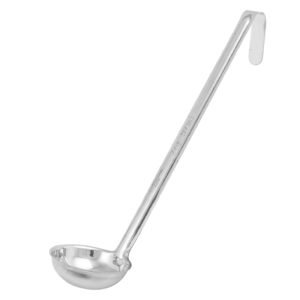
- Working in batches, spoon some of the warm mashed potatoes into the strainer and use a small ladle to press them through the mesh. A wooden spoon can work, but a 2oz ladle with a long handle works best. Keep pressing and scraping until all of the potato has passed through.
- As your container begins to fill, transfer the passed potato puree into a slow cooker or instant pot to keep warm while you finish with the remaining potatoes.
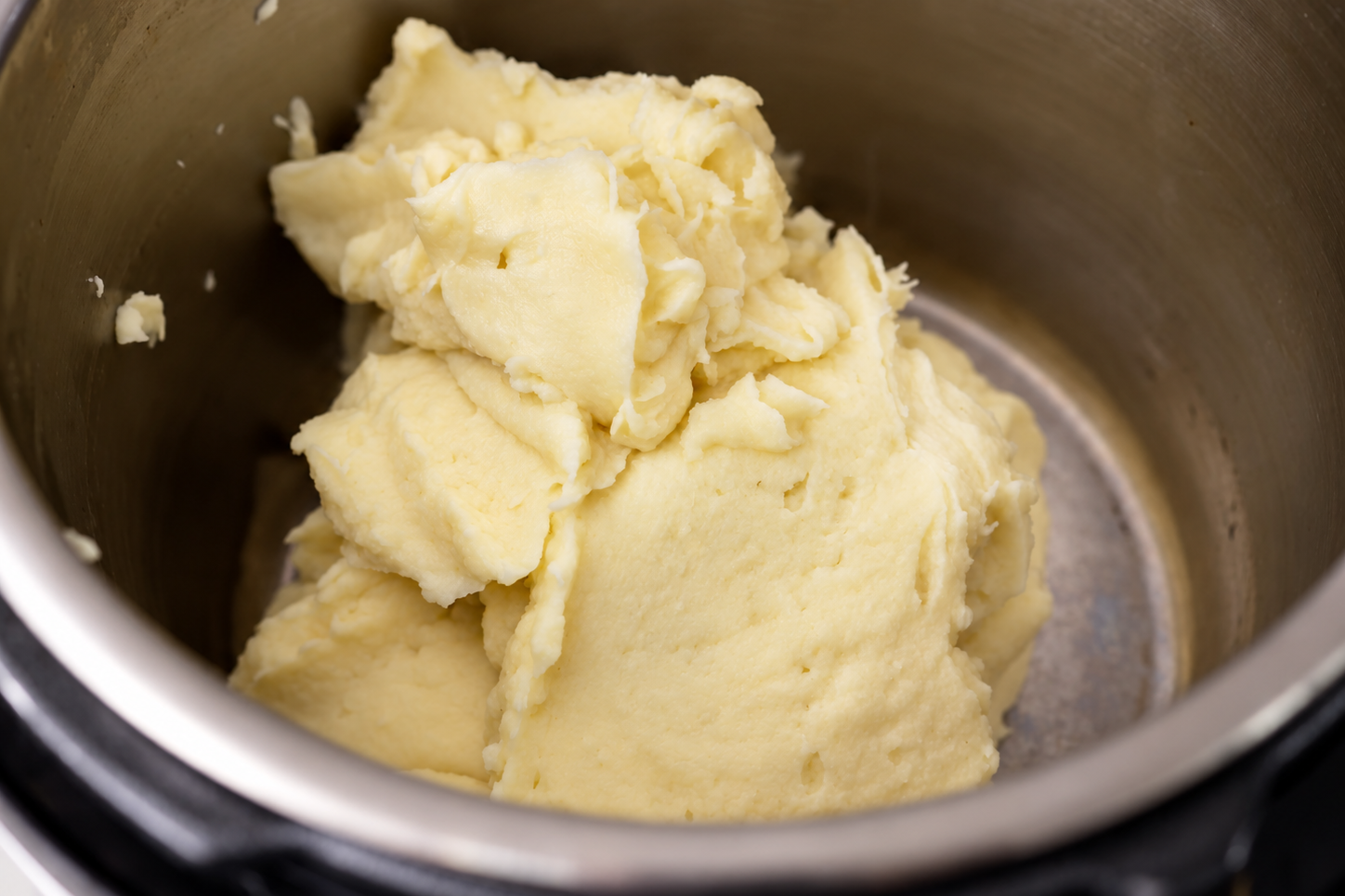
Season and hold warm.
- Season with 15-20 g salt, gently stir to incorporate. Taste, and adjust as needed.
- If your puree is a little dry or could use more butter flavor, finish by folding in 75 g (1/2 stick) of additional melted butter.
- If you’re serving this as part of Thanksgiving or a big dinner hold the potatoes warm in your slow cooker while you finish the turkey, gravy, dressing and other sides.
Storage & Reheating
Potato purée is at its best freshly made and held warm rather than chilled and reheated.
For storage, refrigerate in an airtight container.
To reheat properly, I’d use gentle heat and fold in a small splash of cream and/or butter as needed to restore the loose, creamy texture.
Serve This With
- The Best Roast Turkey – a turkey so good your guests will want seconds
- Make Ahead Turkey Gravy – so you have one less thing to worry about on the big day
- Sheet Pan Apple Pie – a large apple pie for a crowd with all the right ratios of filling to crust
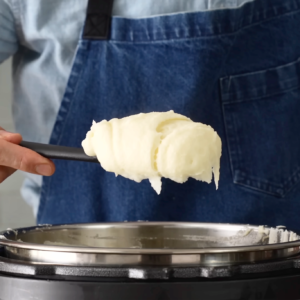
Potato Purée For a Crowd
Ingredients
- 10 lb Russet potatoes, peeled and large diced
- 450 g unsalted butter
- 350 g heavy cream
- 15 g salt
- 75 g unsalted butter, (for finishing if needed)
Instructions
- Add peeled and diced potatoes to a large pot and cover with water. Bring to a boil over high heat, reduce to medium, and simmer gently for 25–30 minutes until completely tender.
- While potatoes cook, melt butter over low heat. In a separate saucepan, warm heavy cream over low heat. Do not boil.
- Drain potatoes thoroughly and return to the warm pot. Add 450 g (4 sticks worth) of the melted butter and mash with a wooden spoon to combine. Add warm cream and continue mashing and stirring until combined and mashed.
- Working in batches, press the mashed potatoes through a fine-mesh strainer using a small ladle. Keep the remaining unstrained potatoes warm as you work.
- Transfer finished purée to a slow cooker or instant pot set to warm. Taste and fold in salt. Fold in remaining butter if potatoes are dry or need more butter flavor. Taste and adjust salt if needed.
- Keep warm until it's time to serve.
 Like this? Leave a comment below!
My Go-To Gear

Frequently Asked Questions
No. You can use a ricer to make very good, fairly smooth mashed potatoes. But for silky-smooth restaurant style potato puree, you have to use a fine mesh strainer. That said, if you’re short on time or don’t have a fine mesh strainer, a potato ricer can work.
You don’t NEED it, but you want it. Potato puree is a rich restaurant-style food you’re only eating on special occasions. You can go light on the butter for your weeknight low-cal mash, but don’t skimp for this recipe.
You can, but they’ll give you a slightly sweeter, denser purée. This recipe was developed with russets because their higher starch content gives you the lighter, silkier texture I’m looking for.
Yes. The recipe is intentionally sized for a holiday crowd, but all of the ingredient amounts can be cut in half. Cooking time for the potatoes will be roughly the same. Just use a smaller pot.











I don’t have the kind of strainer you use. Could I use my old fashioned hand-crank food mill instead?
Thanks