The Best Roast Turkey Recipe (of all Time)

Updated Oct 16, 2026, Published Feb 06, 2025
This post contains affiliate links. Please see our disclosure policy.
A deeply seasoned Thanksgiving turkey with juicy breast meat, properly cooked dark meat, and crisp golden skin. This method takes pre-planning, but most of that time is hands-off and the results are worth it. Trust me.
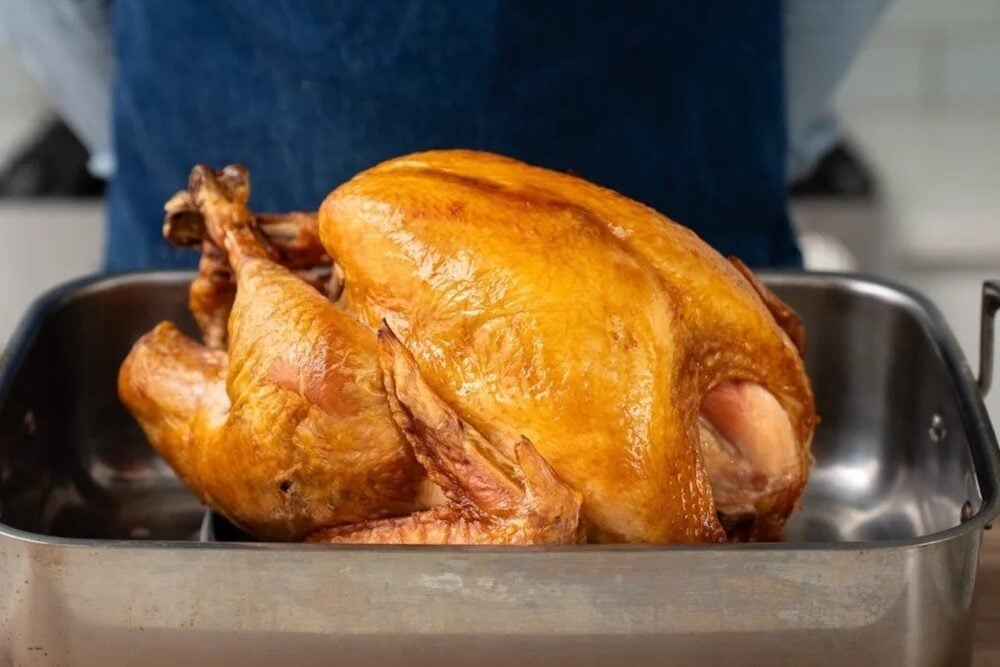
Table of Contents
Why This Roast Turkey Recipe Delivers
Thanksgiving turkey has one built in structural problem…the breast and legs are attached to the same bird, but they can’t be cooked the same way. By the time the dark meat is in the sweet spot, the breast can be heading toward dry and chalky. Then we make the problem worse by chasing crispy brown skin from the beginning.
This recipe uses a few tricks including brine injection, roasting position, and temperature manipulation (more details below) that put the dark and white meat on even turf. The result will be the a Thanksgiving dinner where your guests actually want seconds of the main event you spent so much time working on – the turkey!
Brian’s Pro Tips
Brine AND Inject.
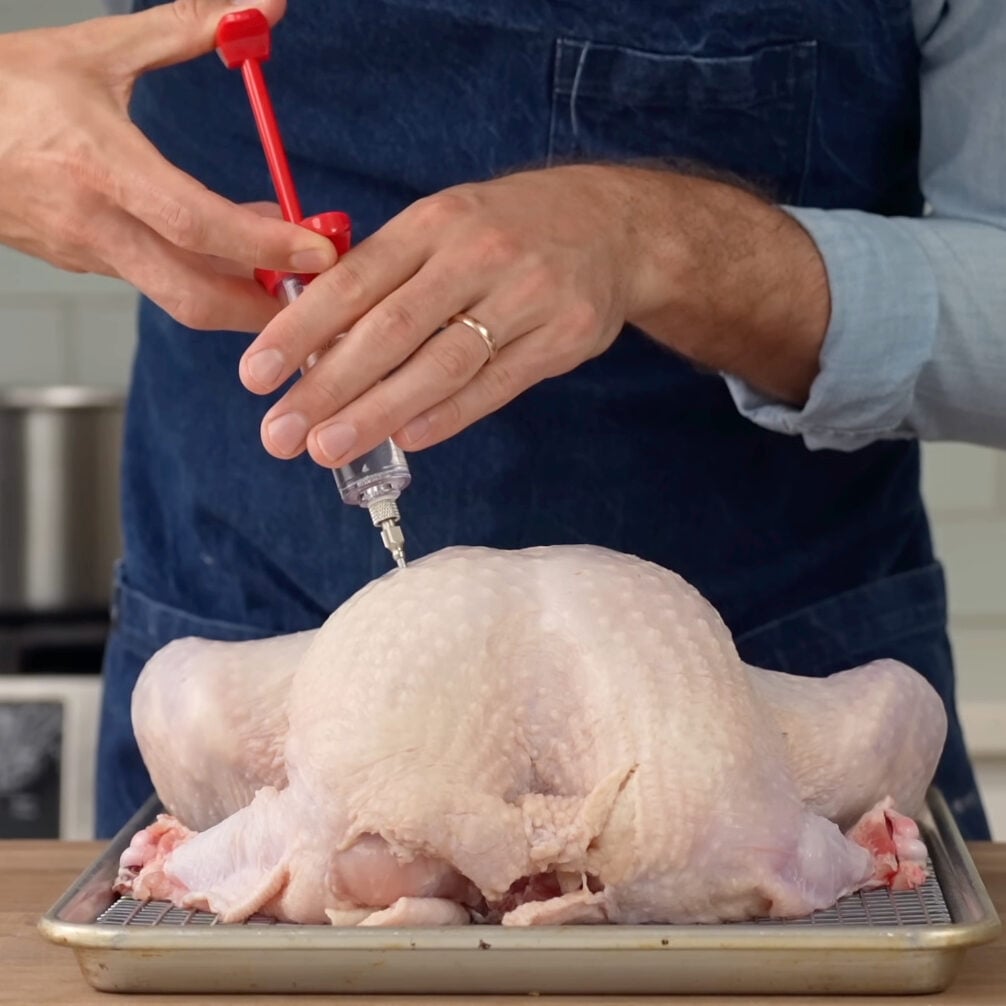
The injector is doing real work here. A turkey breast is a massive piece of meat so seasoning only from the outside takes time and can’t fully penetrate. Injecting gets seasoned brine directly into the thick parts of the bird, then the three-day soak keeps working from the outside.
Use Two Probe Thermometers.
Turkey is not a “17 minutes per pound” situation. It’s best to have a probe in the breast and another in the thigh because those two parts of the bird cook differently. Keep both probes away from the bone or you’ll get a misleading read. The one I’m using is from Typhur. It works well, but it’s pricey. Any probe thermometer you trust will work.
Rest BEFORE Browning.
One of the most important ideas in the recipe. Instead of cooking the turkey until the meat and skin are both perfect and hoping those things happen simultaneously, I let the cooked turkey rest first. Then it gets a short, violent 500°F (260°C) blast right before serving. You get browned skin without overcooking the breast.
Work While the Bird Rests.
A one-hour turkey rest sounds insane until you realize it’s exactly what Thanksgiving dinner needs. Your oven is now free for dressing, green bean casserole, or whatever else needs finishing.
Save the Drippings.
Always. The water in the bottom of the roasting pan helps keep those drippings from scorching. Don’t throw them away. They are the final seasoning for the turkey gravy and basically liquid gold.
Key Ingredient Notes
Full ingredient list and amounts are listed in the recipe card below.
Whole Turkey.
This recipe was developed around a turkey weighing about 17 pounds or 7.7 kg. You can use a larger or smaller turkey, but cooking time will change, which is another reason the temperature probes matter more than the clock.
Kosher Salt.
This updated recipe uses 300 g for the standard brine, with 400 g as an option if you like your turkey on the saltier side. This is one ingredient I strongly recommend weighing instead of measuring by volume because kosher salt varies enormously depending on brand. Your 1 cup of iodized table salt will make something taste a lot saltier than my 1 cup of Morton coarse kosher.
Sugar.
There isn’t enough sugar here to make the turkey taste sweet. It balances the brine and helps with the overall seasoning and browning.
Garlic + Poultry Herbs.
- Four heads of garlic sounds ridiculous until you remember we’re seasoning eight liters of brine.
- A grocery-store poultry herb pack is the easiest move here since it already gives you sage, rosemary, and thyme without buying three separate packages.
Ice.
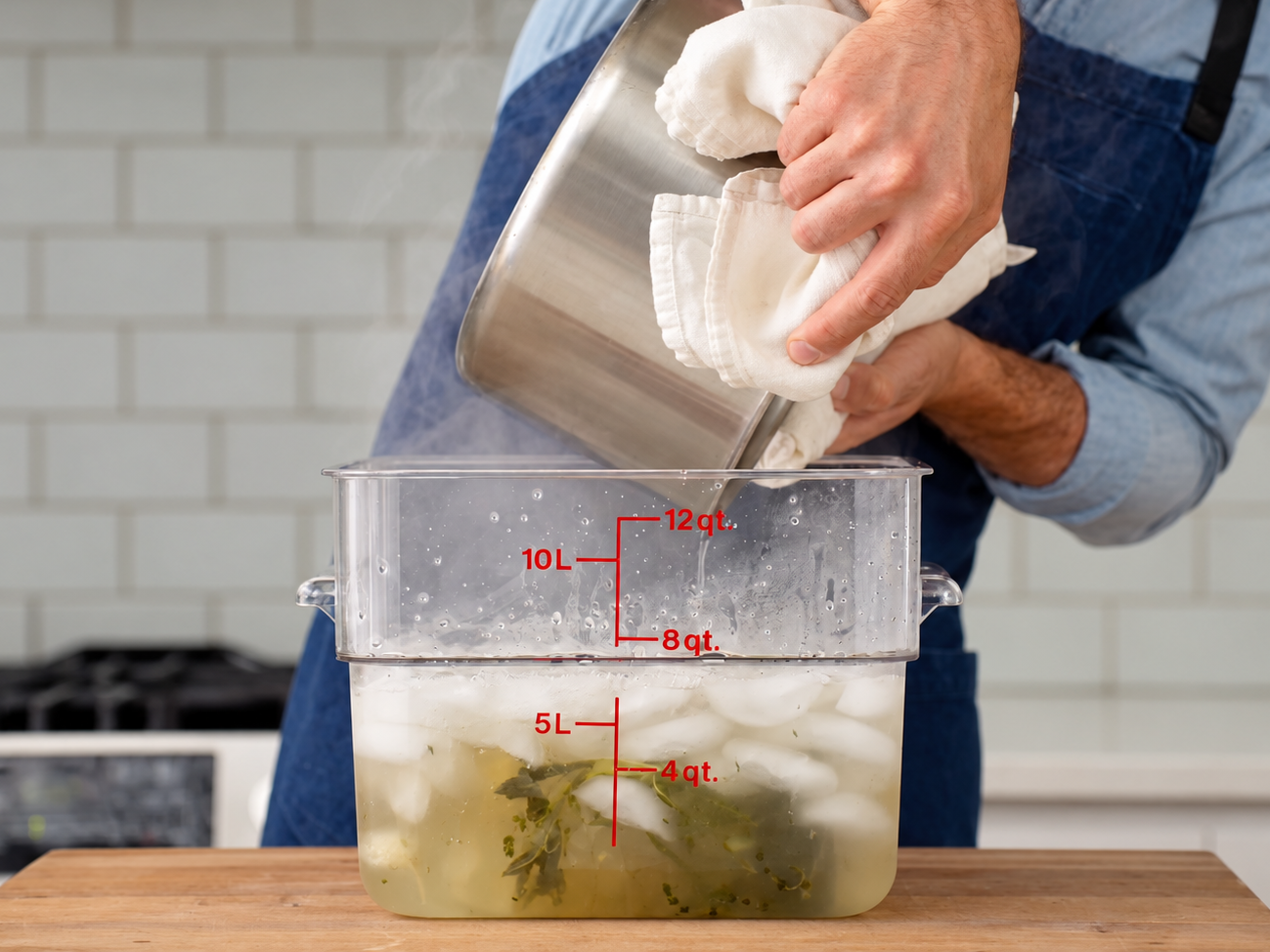
Instead of making the brine and waiting half a day for a giant pot of liquid to cool, the hot concentrated brine gets poured directly over 4,000 g of ice. It’s much faster and gets you ready to brine immediately once everything is cool.
How To Make Roast Turkey
Thaw and prep the turkey.
- Start with a roughly 17 lb / 7.7 kg turkey. Thaw it completely in the refrigerator. Plan ahead for this. 24 hours for every 4 to 5 pounds of turkey so that’s 4 days BEFORE starting the brine if you’re using a 17 pounder. Once thawed, remove the neck, giblets, and anything else hiding inside the cavity.
- Cut off the wings and reserve those along with the neck. We’re going to use them later to make Turkey Gravy.
Make the brine.
- In a large stockpot, combine 4,000 g / 4 L water, 300 g kosher salt, 100 g sugar, 4 bay leaves, 4 halved heads of garlic, and one clamshell poultry herb blend of sage, rosemary, and thyme.
- Bring everything to a boil, reduce to a simmer, and cook for 10 minutes. Turn off the heat and let the garlic and herbs infuse for another 30 minutes.
- Pour the hot brine over 4,000 g of ice and stir. The brine should feel completely cool before the turkey goes in.
Inject, pierce, and brine for three days.
- Use a brine injector to hit each side of the breast 5 to 6 times and each leg 2 to 3 times. Now use the tip of the injector to pierce each breast about 40 to 50 times and each leg 20 to 30 times. These are just small punctures to create channels for the brine.
- Put the turkey breast side down in a brining bucket or another large food-safe container, cover it completely with the cold brine, and refrigerate for three days.
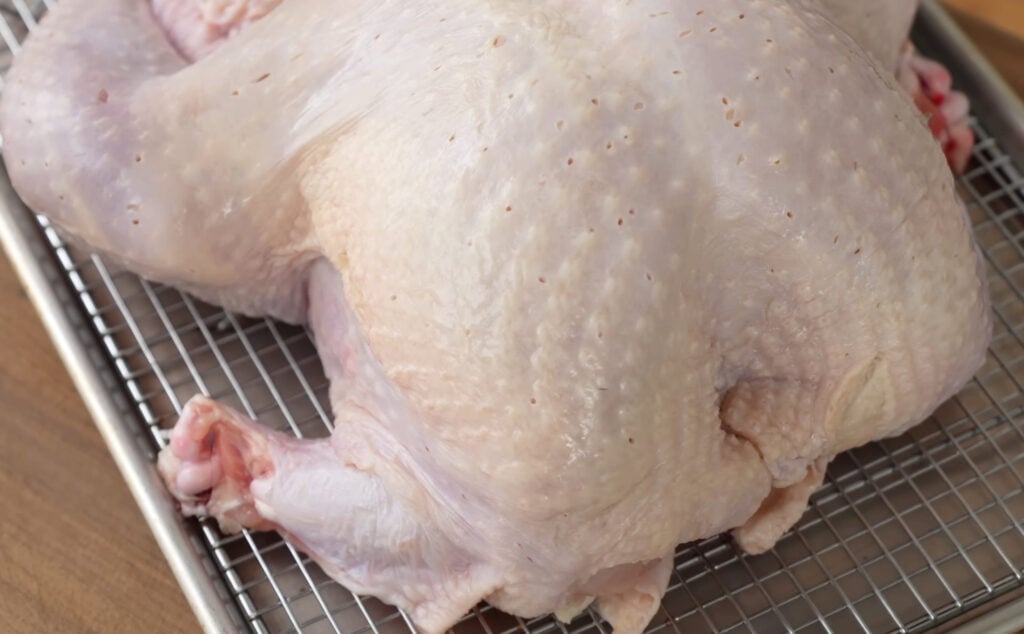
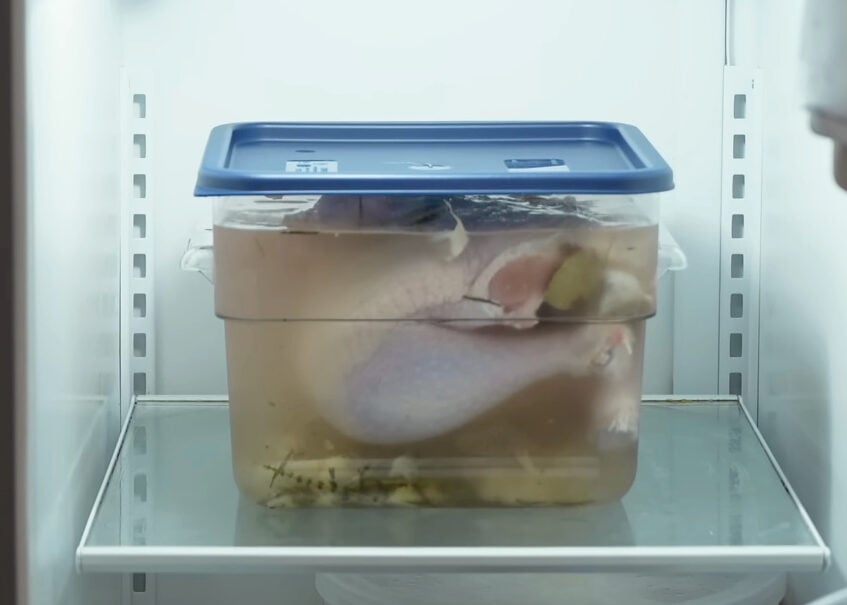
Don’t have a full 3 days to brine? There is a same-day emergency version. Make a quarter batch of the master brine, then inject each breast 10 to 12 times and each leg/thigh 5 to 6 times. It won’t be quite as good as the full three-day version, but it’s still a very solid turkey.
Don’t have a brining bucket? Consider cleaning out and using one of your refrigerator veggie or meat drawers.
Set up the turkey for roasting.
- Preheat the oven to 425°F / 220°C.
- When you’re ready to cook, inject each breast another 3 to 4 times with brine.
- Set a roasting rack inside a roasting pan. Fold a few sheets of aluminum foil into a pad at least the size of the turkey breast. Lay the foil on the rack, and grease or spray it so the skin doesn’t stick.
- Pour 240 g / about 1 cup water into the bottom of the roasting pan and set the turkey on the foil pad, breast side down.
- Insert one probe thermometer into the thickest part of the breast and another into the thigh, making sure neither is touching bone. Cover the whole bird with two layers of foil.
The water isn’t in the pan to steam the turkey. It’s mostly insurance against the drippings hitting a dry pan and burning before you can turn them into gravy.
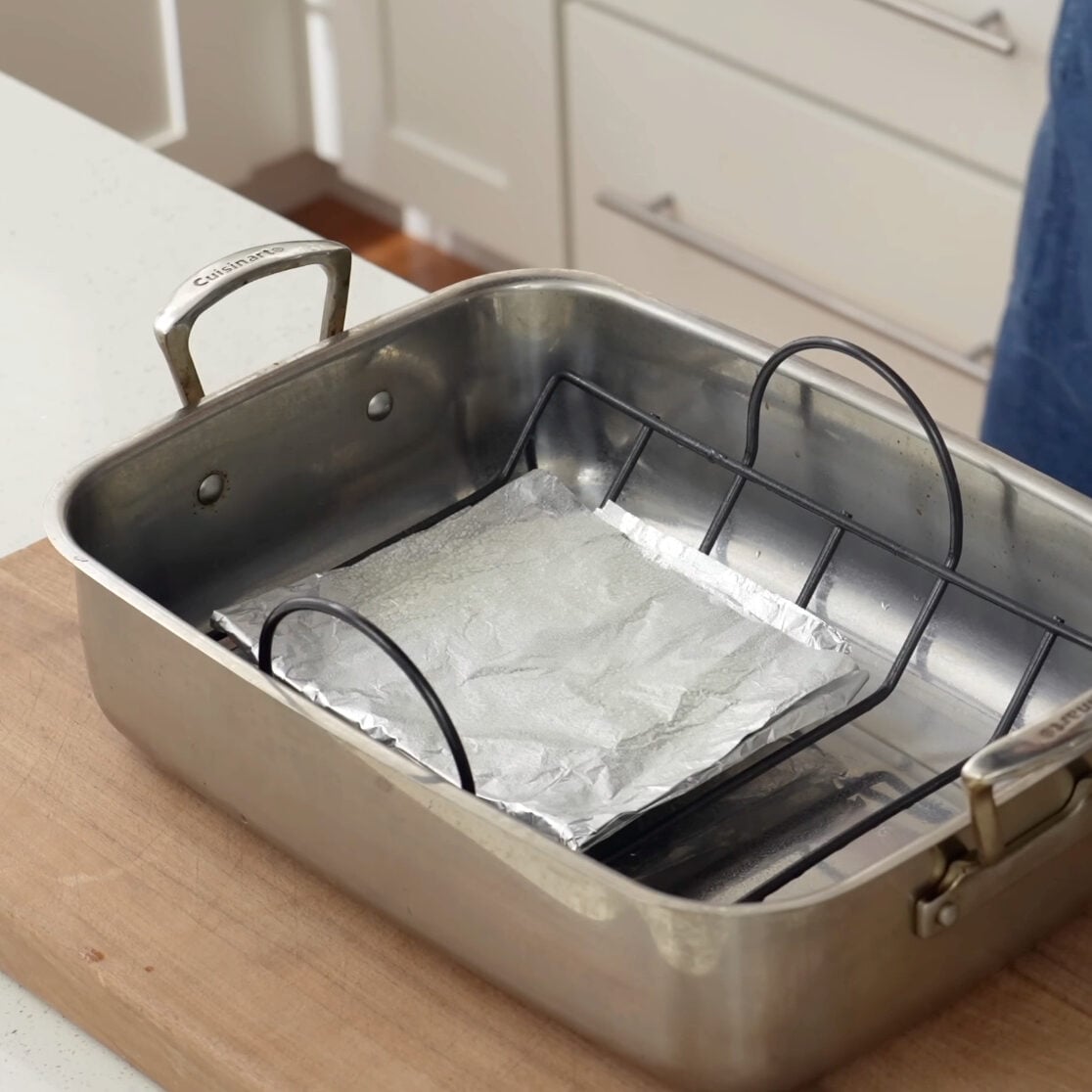
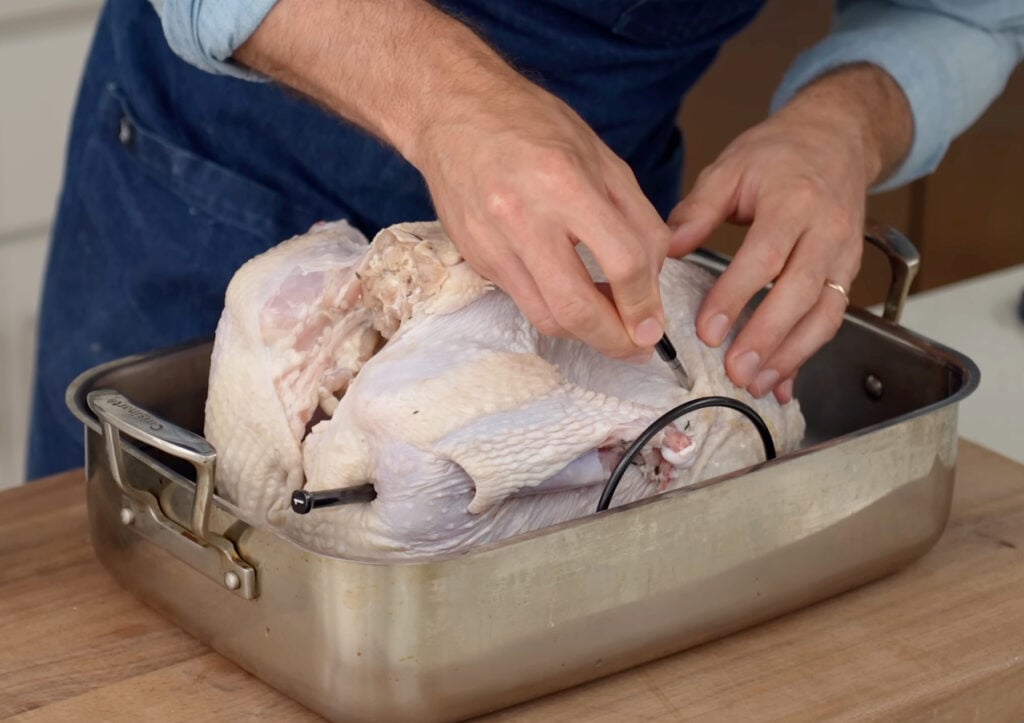
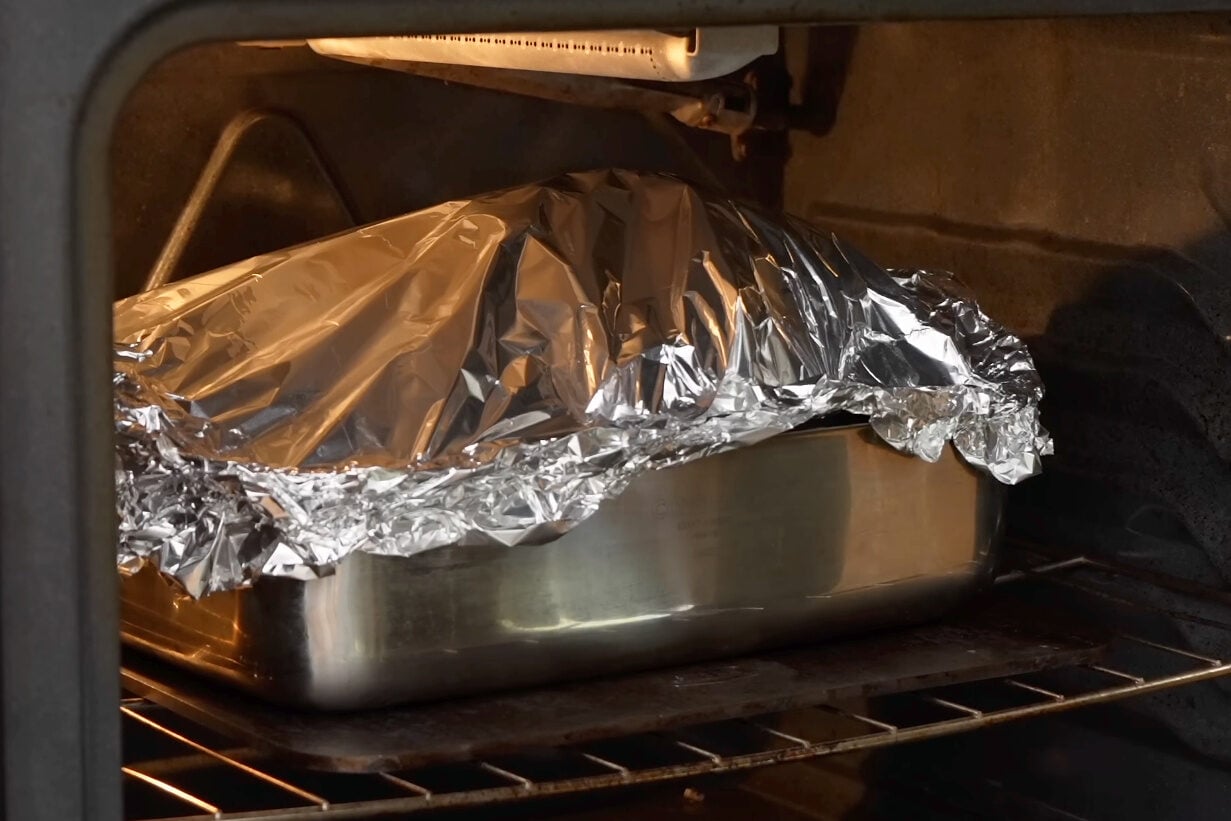
Start hot and covered.
- Roast at 425°F / 220°C for 1 hour.
- After the first hour, remove the foil and reduce the oven temperature to 325°F / 165°C.
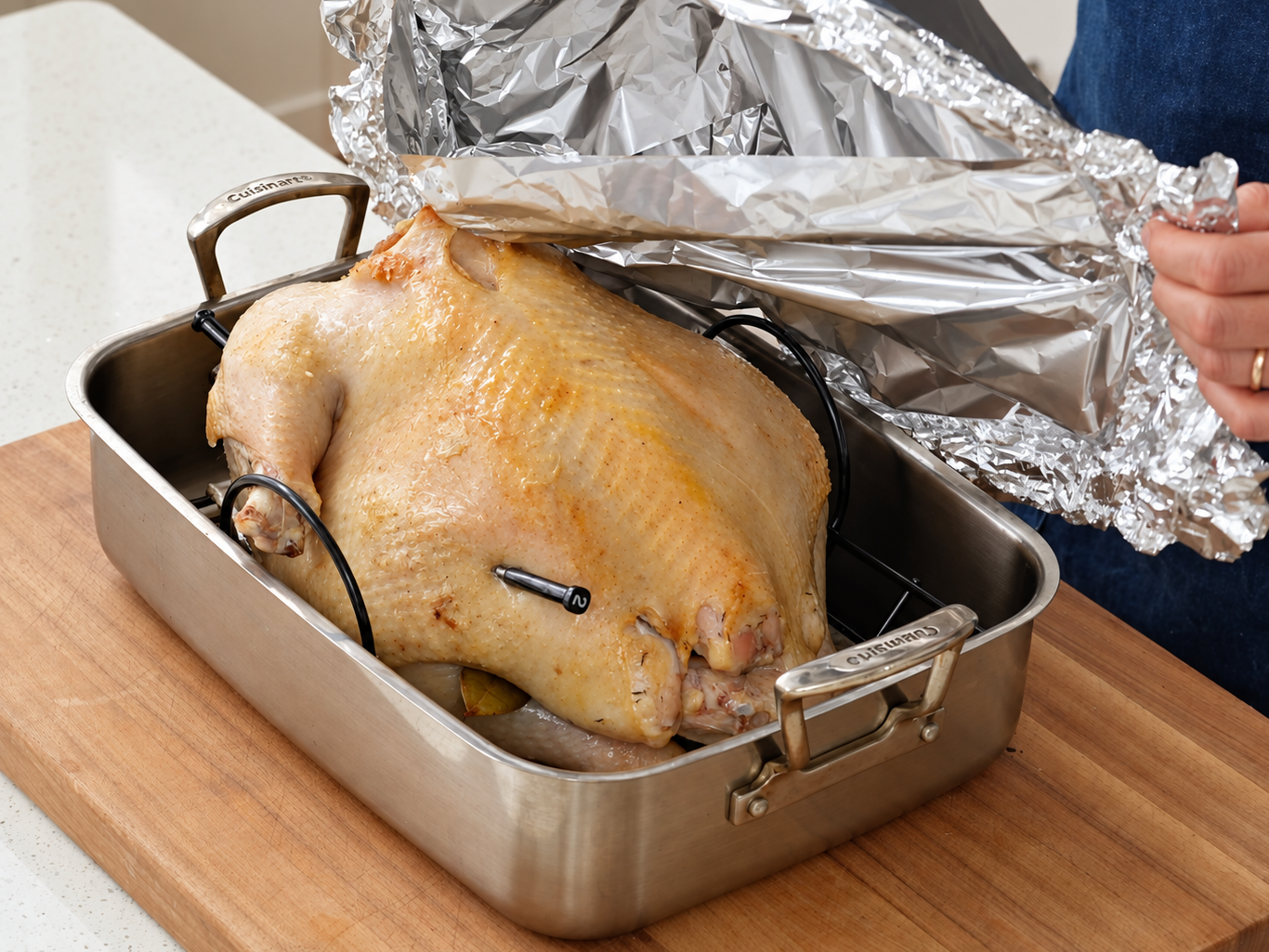
Finish the roast by temperature, not time.
- Continue roasting uncovered for another 90 to 120 minutes.
- Your target at this stage is 150°F / 65°C in the breast and 165°F / 74°C in the thigh.
These temperatures matter more than whether the turkey has been roasting for exactly 90 minutes or exactly two hours. Every turkey and every oven is a little different.
Important: 150°F is the breast target at this stage of THIS recipe. The turkey still has a one-hour rest and a final 500°F roasting step before it is served.
7. Rest for a full hour.
- Pull the turkey from the oven and tent it loosely with foil. Let it sit undisturbed for one hour.
Yes, a full hour! Use that time to finish the sides. This is one of my favorite things about the method because the turkey isn’t monopolizing the oven right when your in-laws show up and need to re-heat the sweet potato casserole.
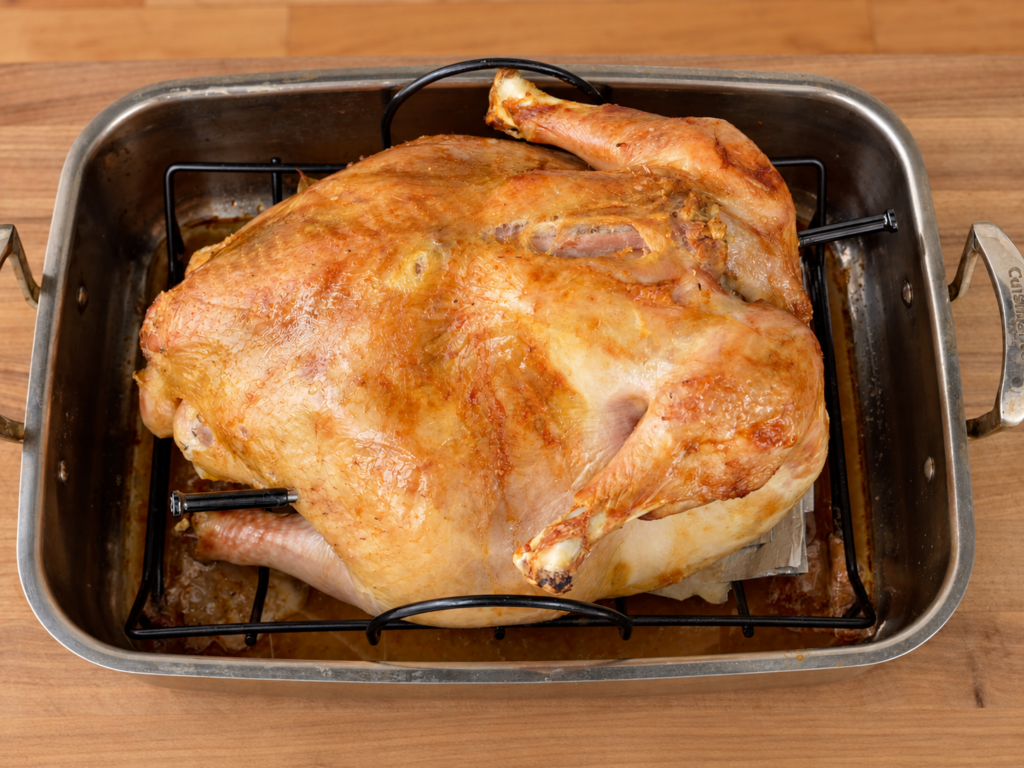
Flip and brown the skin.
- After the rest, pour every drop of liquid from the roasting pan into a container and reserve it for the turkey gravy
- Carefully flip the turkey breast side up. Tie the drumsticks together with kitchen twine and brush the skin with olive oil.
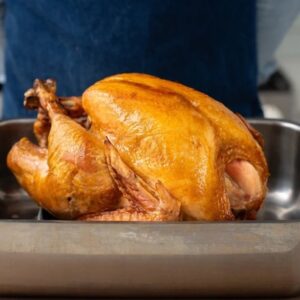
- Turn the oven up to 500°F / 260°C and roast the turkey uncovered for about 20 minutes, until the skin is deeply browned and crisp.
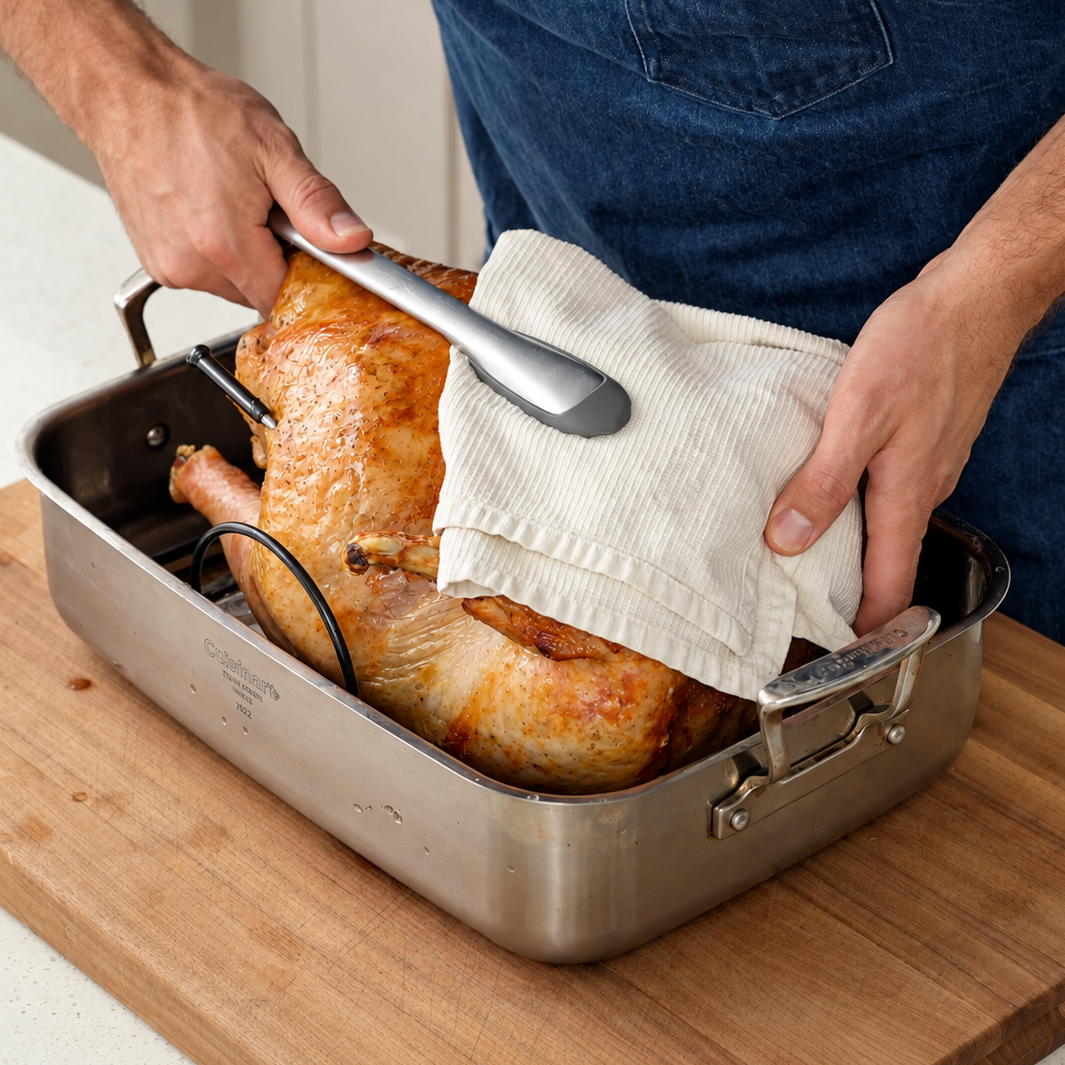
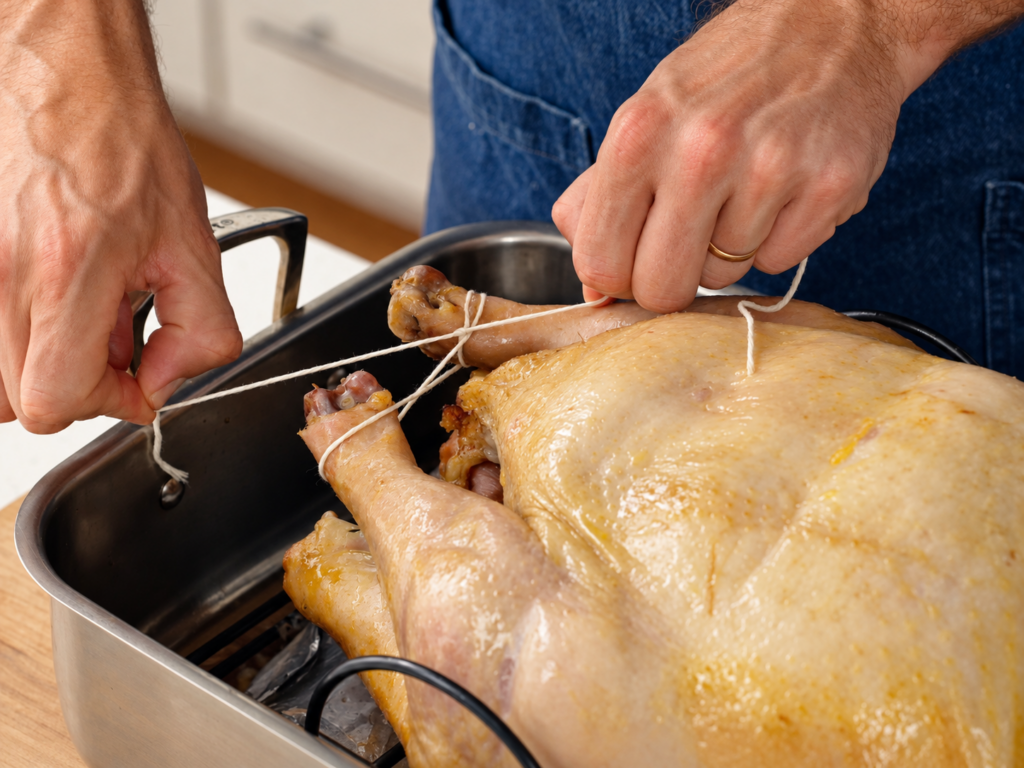
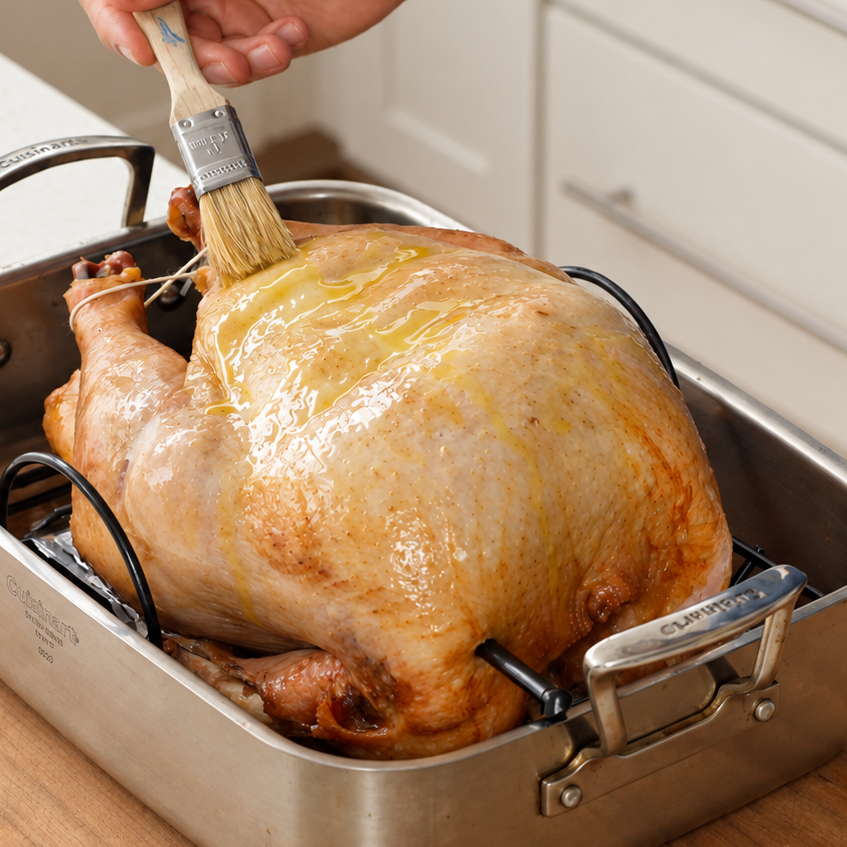
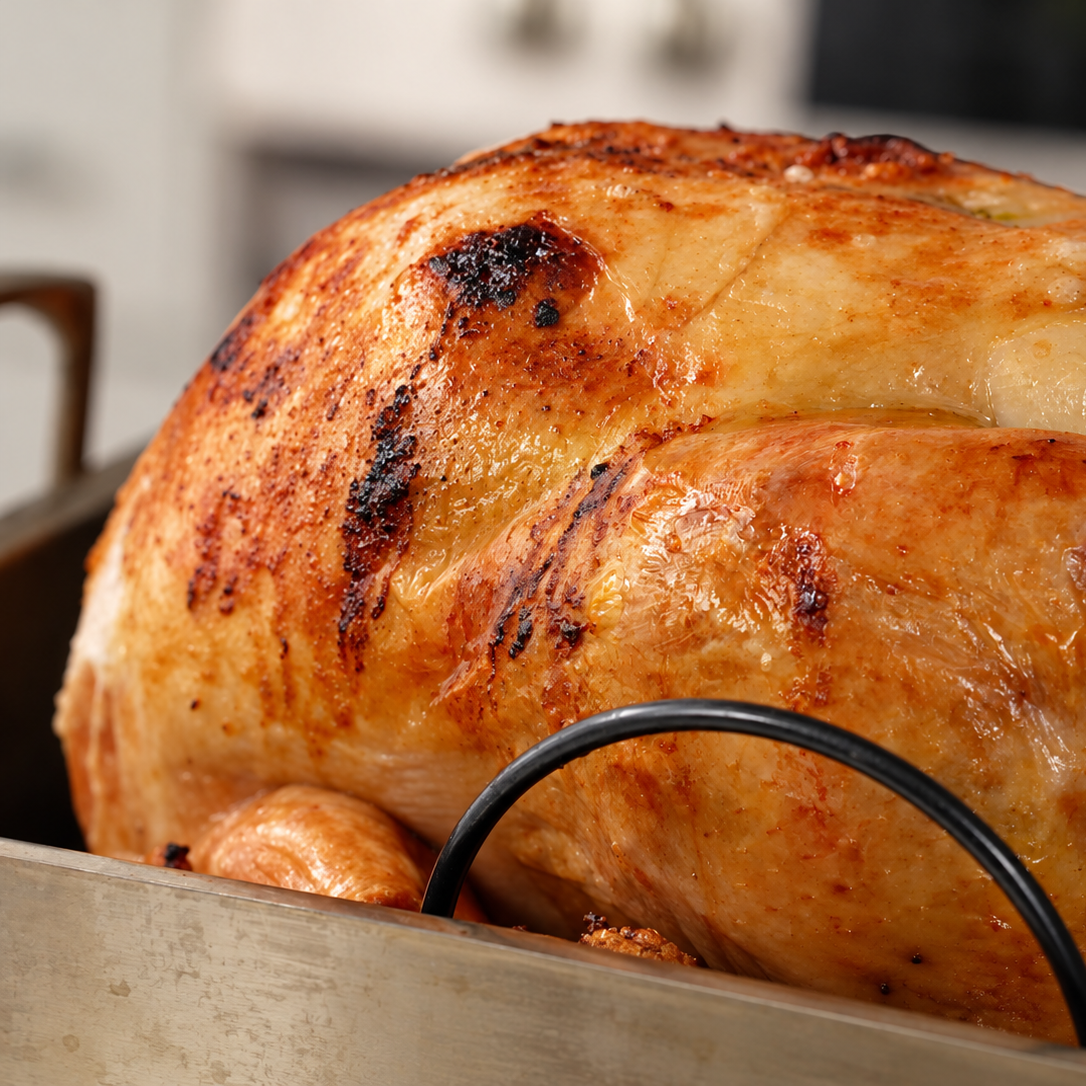
Now you’ve got a turkey that looks like a Thanksgiving turkey is supposed to without having to sacrifice the breast meat to get there.
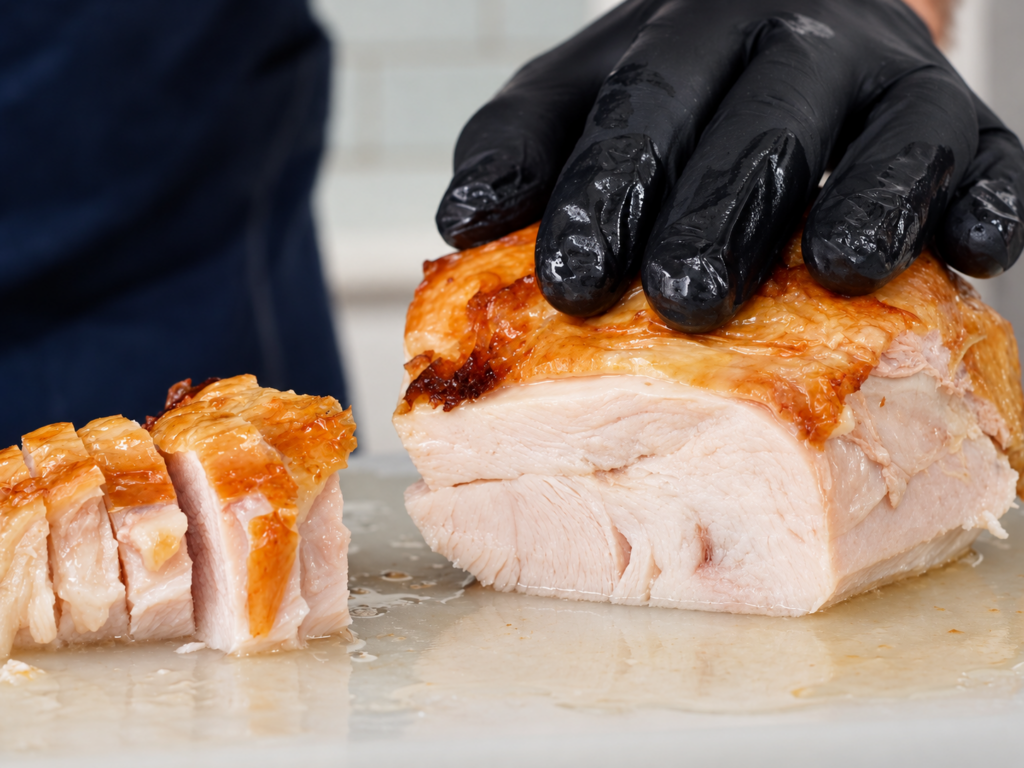
Carve and serve.
Want to see the full process of me cooking this Thanksgiving turkey recipe (and carving it)? Check out my YouTube video here.
Storage & Leftovers
Pick and cut any leftover turkey off the carcass and store in containers rather. Cooked turkey keeps in the refrigerator for 3 to 4 days. For longer storage, freeze slices or pieces for up to about 4 months for best quality.
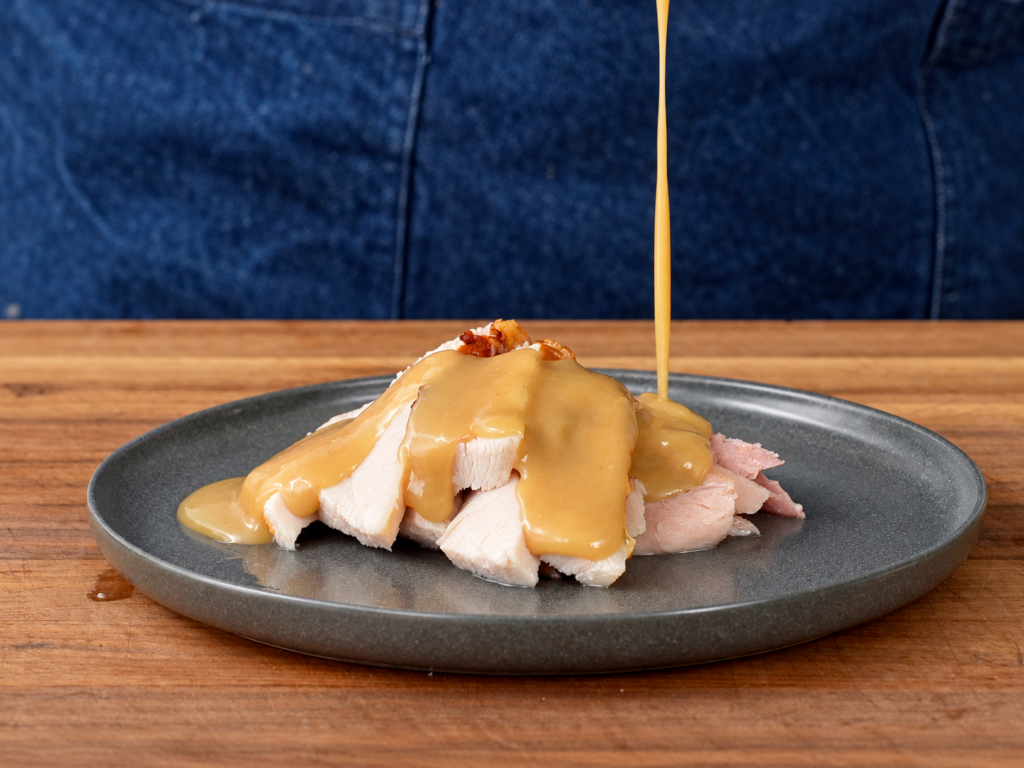
For reheating, I prefer reheating sliced turkey covered with a little gravy (or broth) instead of putting a giant platter of dry meat back into the oven.
Serve This With…
- Potato Puree – the ONE side my family demands I make each year
- Sheet Pan Apple Pie – a crustier take on classic apple pie
- Pumpkin Crunch – a fun pumpkin dessert with a crunchy topping
Roast Turkey
Ingredients
TURKEY:
- 8 kg whole turkey, about 17 lbs. Adjust ingredient quantities for larger or smaller birds
- 4,000 g water, for brine
- 300 g kosher salt
- 100 g granulated sugar
- 4 bay leaves
- 4 heads of garlic, halved
- 1 clamshell poultry herb blend, (sage, rosemary, thyme)
- 4,000 g ice
- 240 g water, for roasting pan
- olive oil, for brushing
Instructions
TURKEY:
Prepare Turkey:
- Thaw turkey completely. Once thawed, remove anything from the inside of the turkey. Detach the wings. Save wings and neck for the gravy.
Make Brine:
- In a large stock pot, combine 4000g water, 300g salt, sugar, bay, garlic, & herbs. Bring to a boil, simmer for 10 minutes. Turn off heat and allow to infuse for 30 minutes. Pour infused mixture over ice to cool completely.
Inject & Brine Turkey:
- Use a brine injector to inject brine into the breast (5-6 injections per side) and each leg (2-3 injections).
- Next use the tip of the brine injector to pierce the turkey 40-50 times per breast and 20-30 times per leg. Pour brine in a brining bucket or large container, submerge turkey in the brine, breast down. Refrigerate 3 days.
Prepare for Roasting:
- Preheat oven to 425°F/218°C.
- In a roasting pan with rack, lay down a few sheets of folded tin foil on top of rack and grease or spray foil with pan spray. Pour a cup of water into the bottom of the roasting pan (to prevent burning).
- Lay turkey breast side down on top of foil. If using wireless probe thermometer, insert 1 into breast & 1 into leg thigh, careful not to touch bone. Cover with 2 layers of foil.
Roast:
- Roast in the oven for 1 hour at 425°F/218°C.
- Remove foil cover, reduce oven to 325°F/163°C and continue roasting for 90-120 minutes or until the breast temperature reaches 150°F/65°C and the thigh is 165°F/74°C.
Rest & Brown Skin:
- Remove turkey from the oven when ideal temp is reached. Tent the turkey loosely with foil & rest for 1 hour.
- Reserve all drippings to use for gravy then flip the turkey breast side up on the roasting rack. Truss drumsticks together with kitchen twine. Brush the breast skin with olive oil.
- Roast again, uncovered, at 500°F/260°C for 20 minutes to brown and crisp the skin.
- Carve and serve.
 Like this? Leave a comment below!
My Go-To Gear
Below are the tools that I use for this recipe. Some of these may be affiliate links, which means I may earn a small commission if you purchase through them at no extra cost to you.
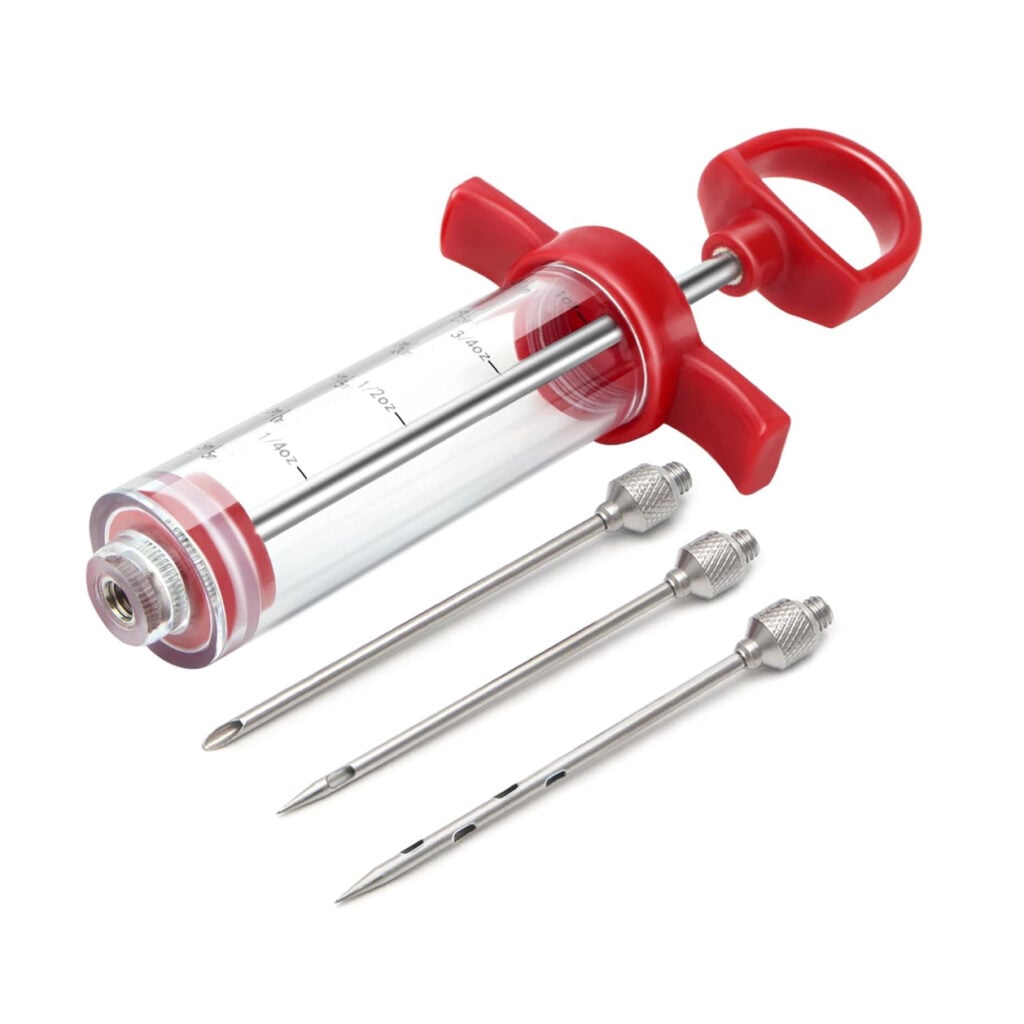
This recipe was specifically developed around injection so I do recommend having one. You don’t need to get fancy.
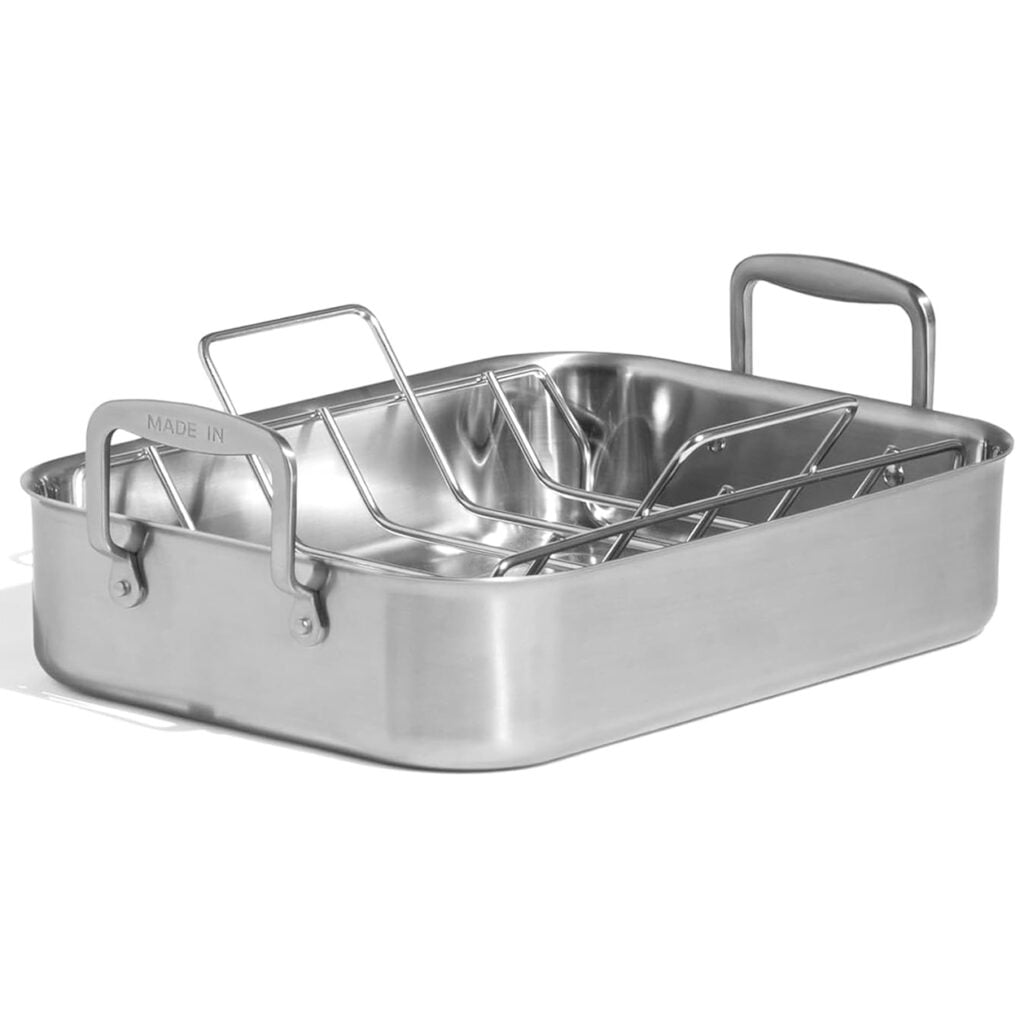
I prefer this to the cheap foil pans because it comes with a rack and is much easier to move in and out of the oven.
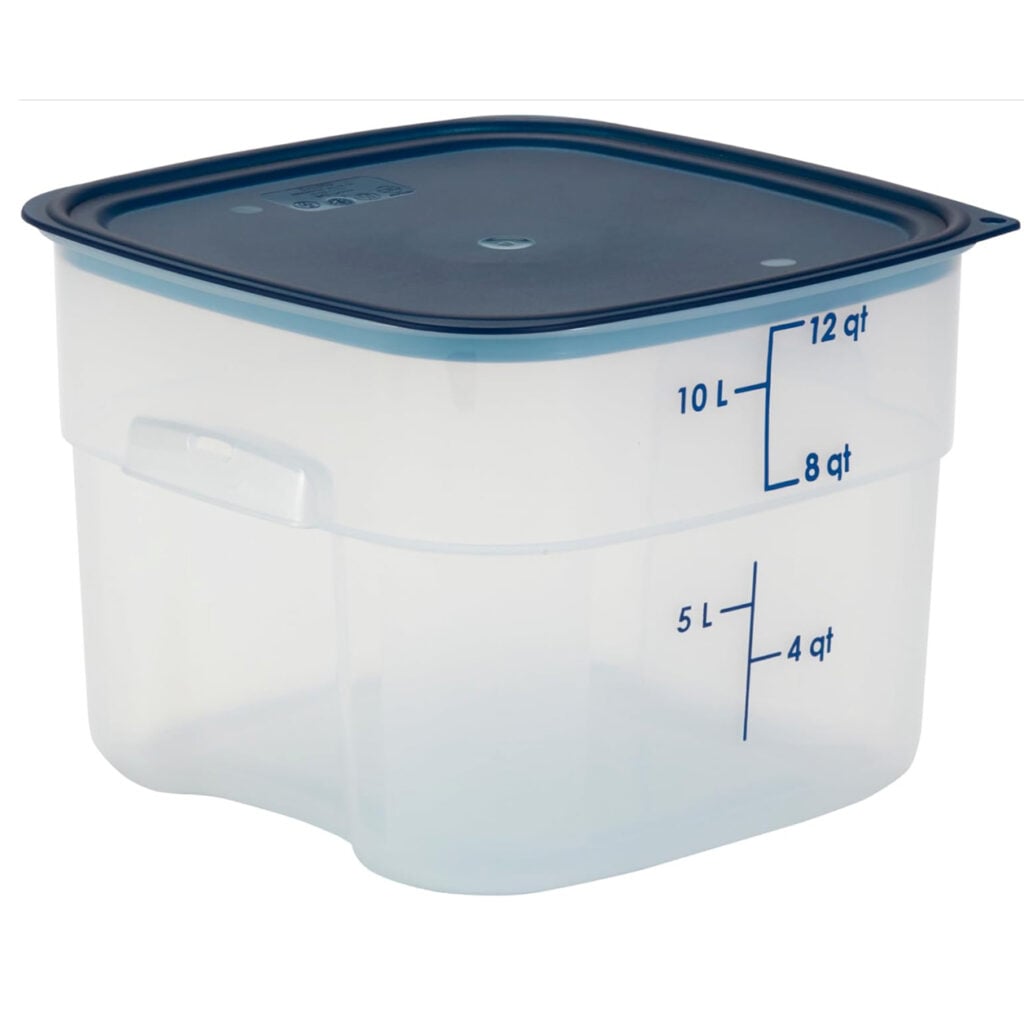
I use a 12qt with a lid which is a good size for a 17 pounder. Anything larger will also work.
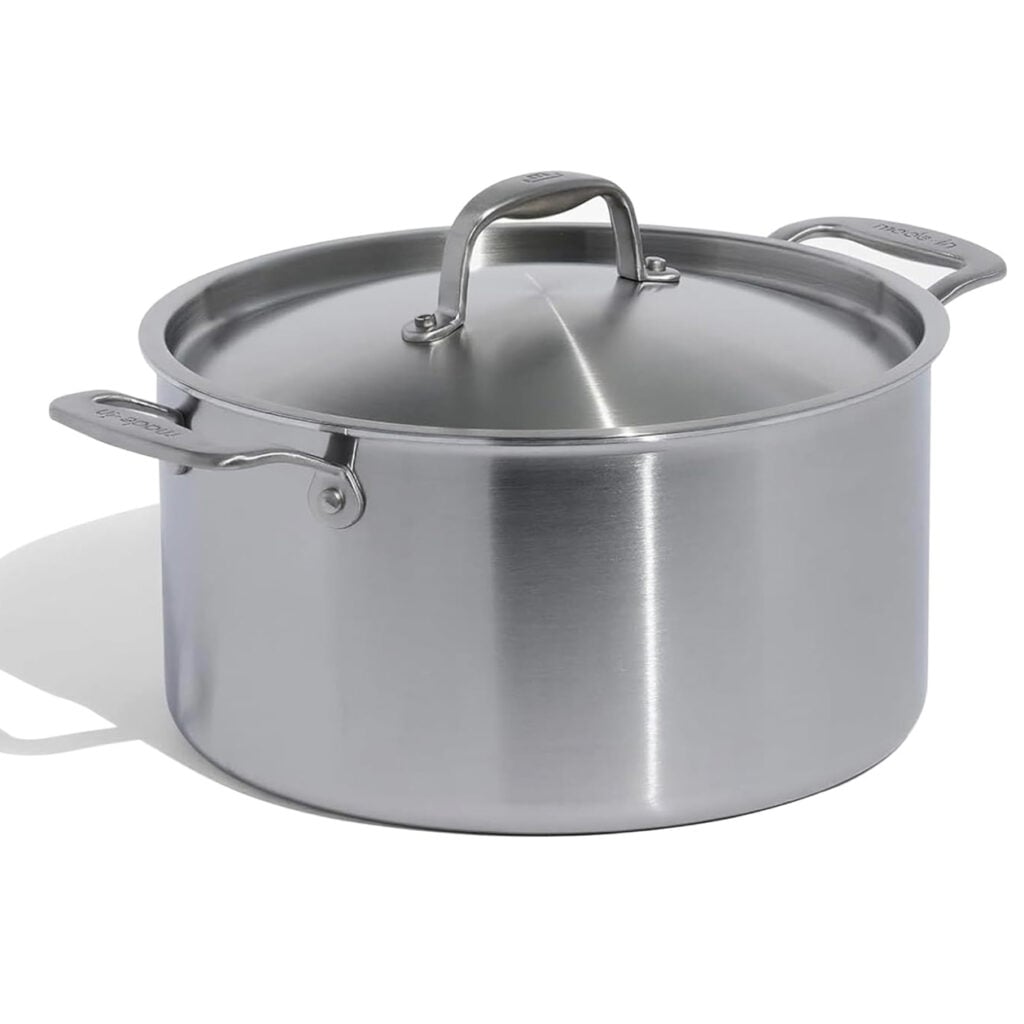
This 8qt is a great size for the turkey brine and most other stocks you’ll need to make at home.
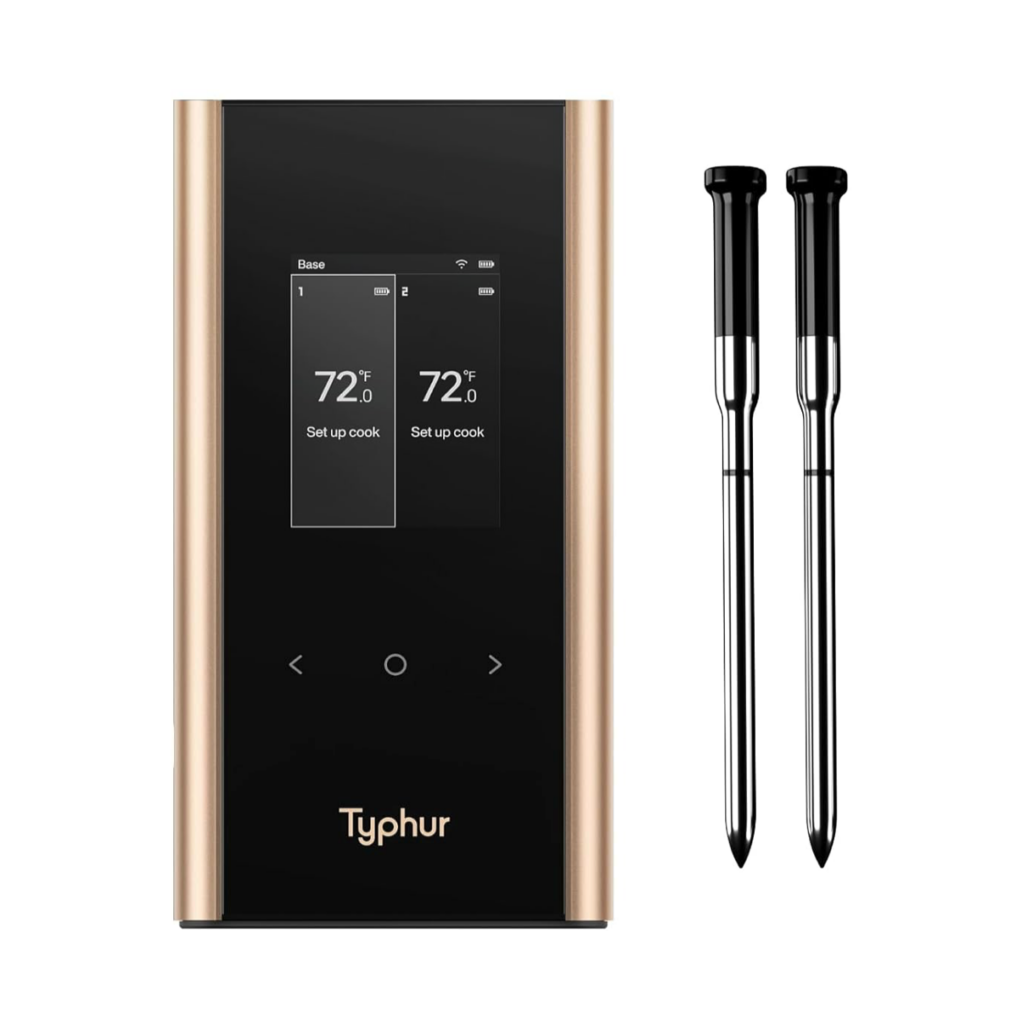
The tool I use to monitor temperatures in the breast and leg meat at the same time.
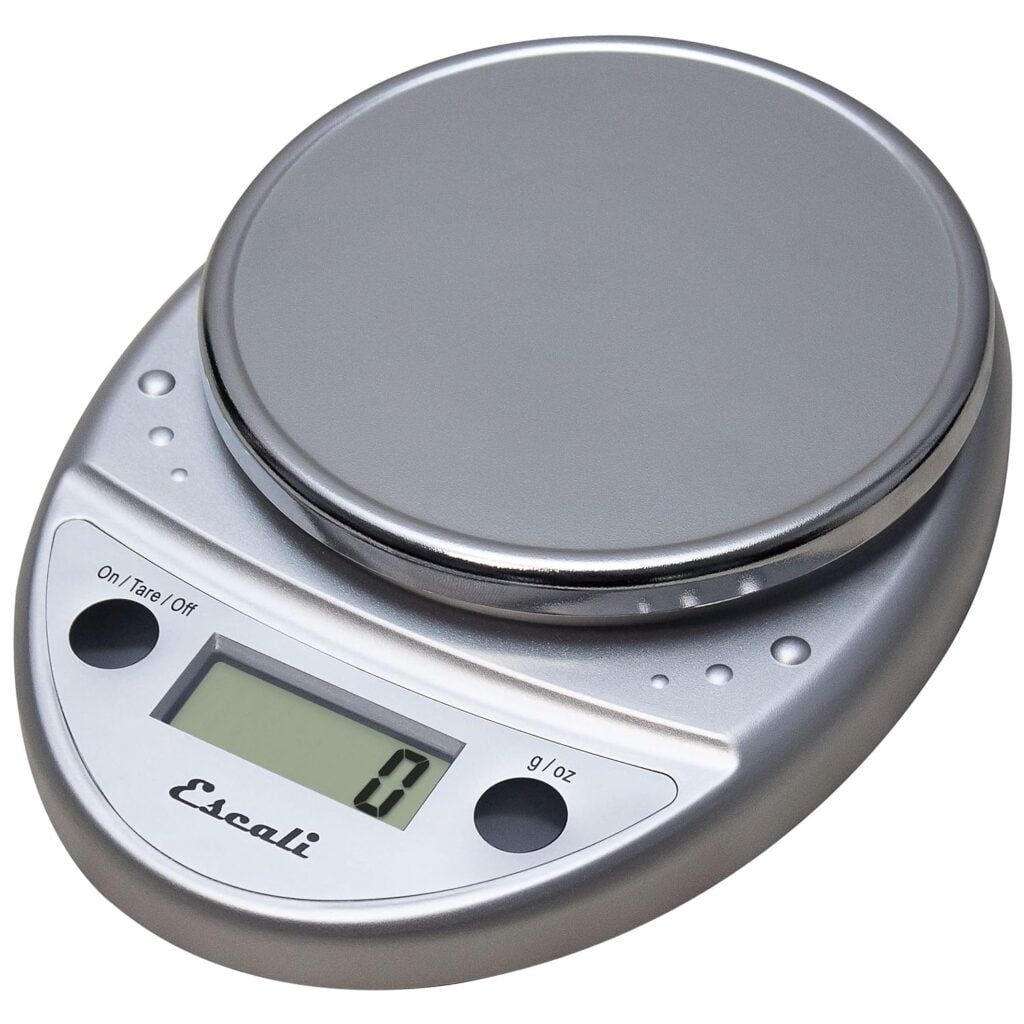
An essential in my kitchen, but especially for this recipe. Weighing the salt for the brine ensures it won’t be too salty.
Frequently Asked Questions
Instead of brining for 3 days, make a quarter batch of brine, inject each breast 10 to 12 times and each leg/thigh 5 to 6 times. It’s not as good as the full three-day method, but it will still be much better than a regular salted then roasted turkey.
I don’t with this method (or at all…ever). Dressing should get baked separately. That gives it substantially better crispy edges and keeps the turkey cooking process simpler.
No. Leave it breast side down through the main roast and through the rest. Flip it only before the final 500°F browning step.