
This post contains affiliate links. Please see our disclosure policy.
This is my everything salsa. I put it on eggs, tacos, enchiladas, or anything that could use a pop of acidity, a little heat, and some sweetness. Of all the sauce recipes I’ve made over the years, this is probably the one I make most often. It’s super versatile, only uses 4 ingredients, and takes about 20 minutes.
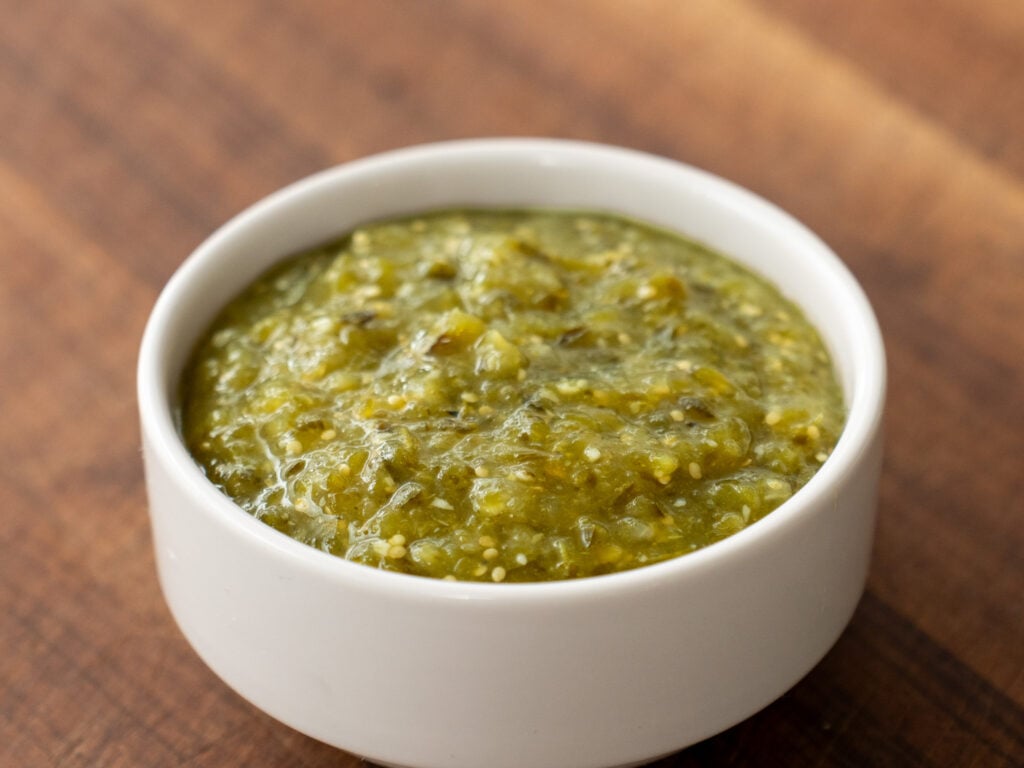
Table of Contents
Why This Roasted Tomatillo Salsa Recipe Delivers
My version of this Mexican classic recipe focuses on fixing the common mistakes that can make tomatillo salsa too sour, too fibrous, or too harsh. We pay attention to the ripeness of the tomatillo, roast them just the right amount, and keep flavors and acidity balanced. The result is a bright, fresh tomatillo salsa with roasted flavor that just tastes WORLDS better than anything you can buy in a jar.
Brian’s Pro tip
Roast Hard, But Don’t Burn – In the past, I used a broiler to get a hard char on the vegetables because it looked dramatic and I liked some hard char flavor. But for this salsa, too much char can give you a bitter, ashy flavor that’s wears on your tastebuds.
The other problem with too much char is texture. Super high heat burns the vegetables before they have time to soften, so the salsa can end up crunchy instead of smoothish. So we’re skipping the broiler and using a hot oven instead. You still get mellow browning and light caramelization, but the vegetables actually cook through and soften enough to blend into a salsa that’s smooth.
Key Ingredient Notes & Substitutions
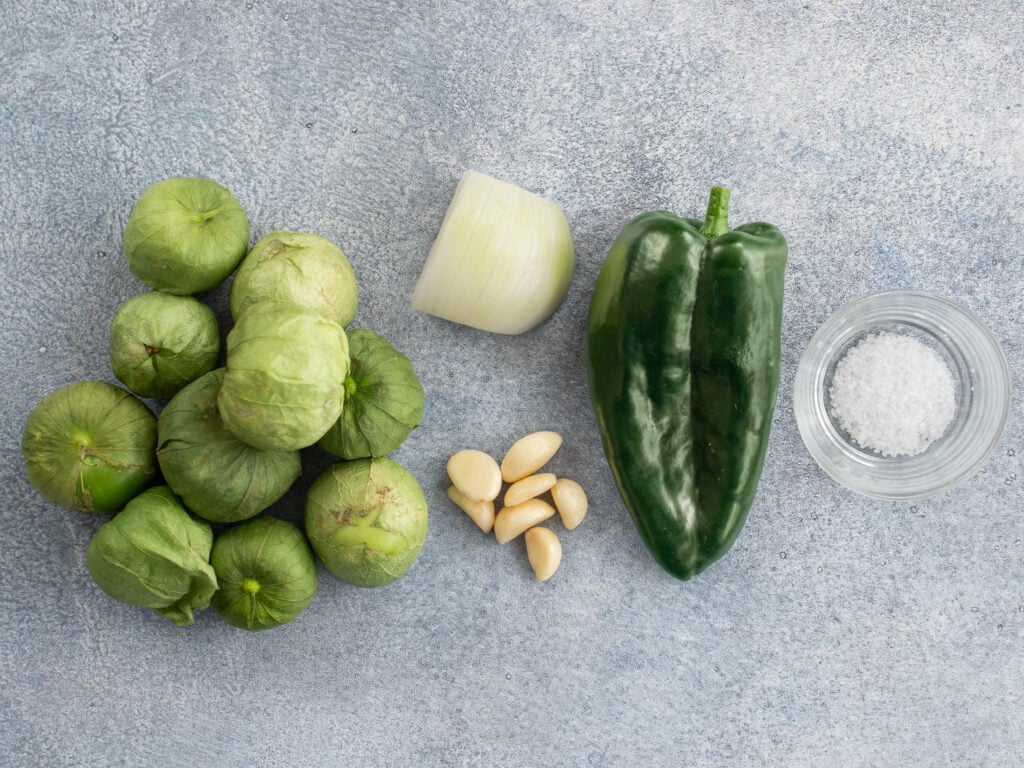
Tomatillos – When you’re shopping, squeeze each one. It should have a little give, almost like a ripe tomato. I’m sure there is some instinctual part of your brain that already knows what ripe fruit feels like, so trust that instinct. Underripe tomatillos are firm and the husk is very well adhered to the fruit.
Poblano Pepper – Poblanos bring a very mild heat and almost fruity bell-pepper flavor (but better IMO). If you’re looking for more heat, you can add some jalapeno, but don’t skip the poblanos in this recipe. They’re a big part of the flavor.
How To Make Roasted Tomatillo Salsa
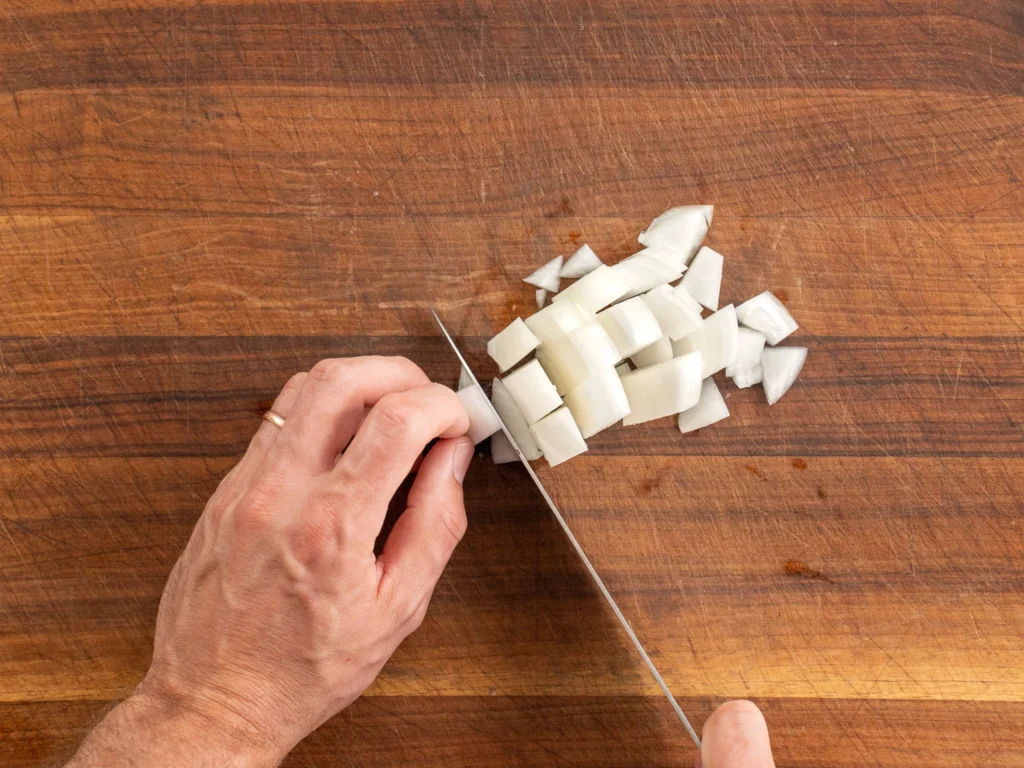
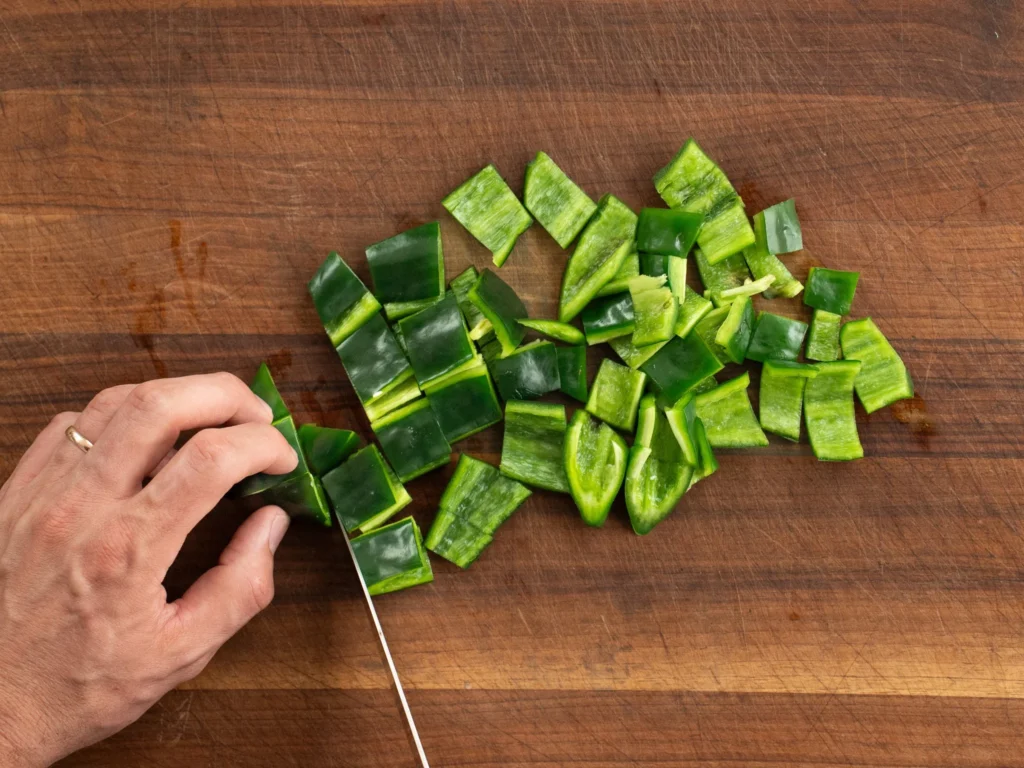
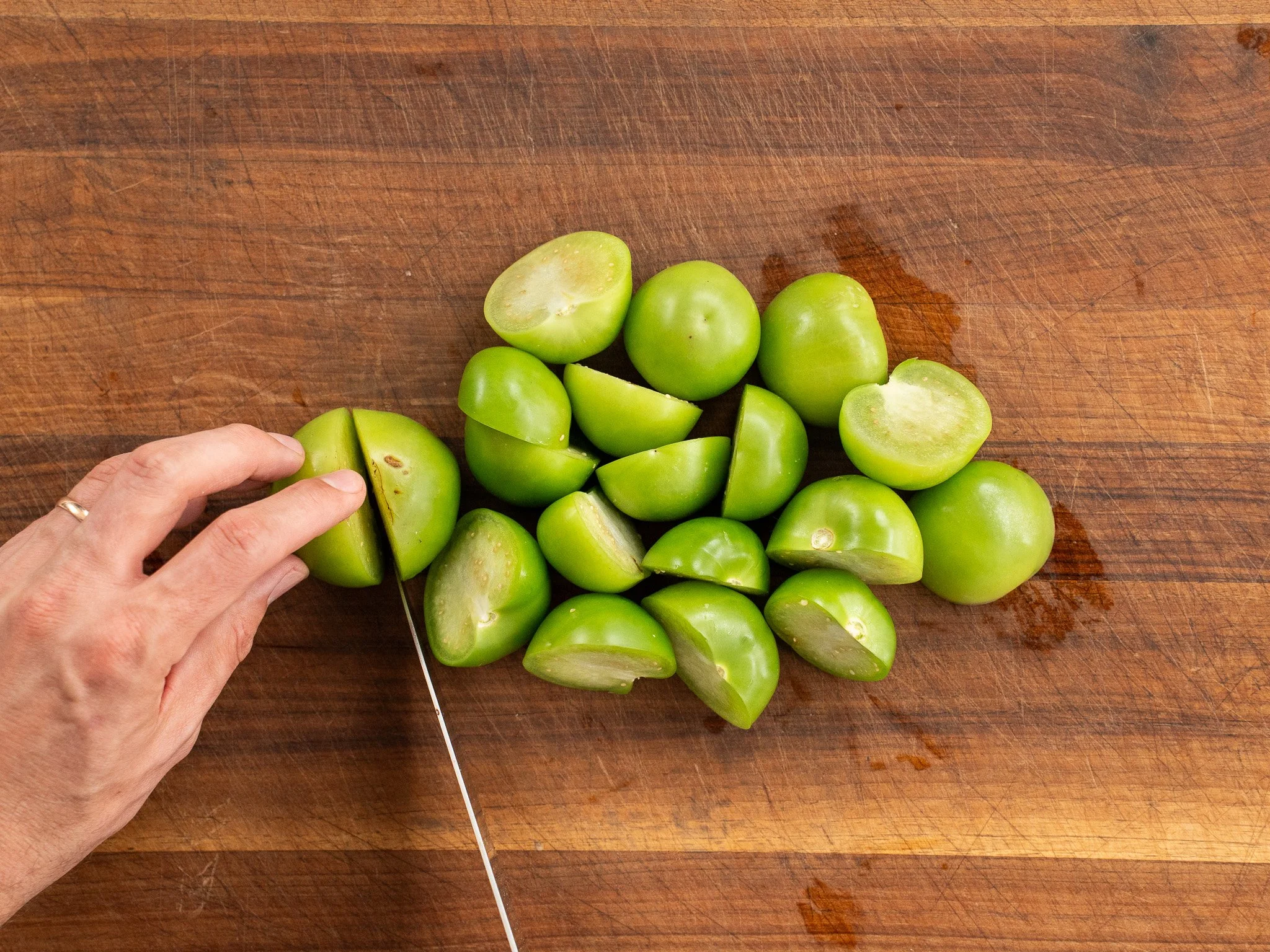
1. Prep the veg and heat the oven. Preheat the oven to 450°F (230°C). Peel and halve tomatillos. Cut poblanos into medium chunks (de-stemmed and seeded). Medium-dice white onion.
Why precut veggies? Because I want a salsa that’s smooth, but still a little rustic. If the poblano and onion went in whole, I’d have to blend for a long time to fully break them down. By then the salsa would be totally smooth. Starting with a medium chop gives the vegetables more surface area for roasting and it lets me pulse the salsa briefly into an even, cohesive sauce with a few small chunks here and there.
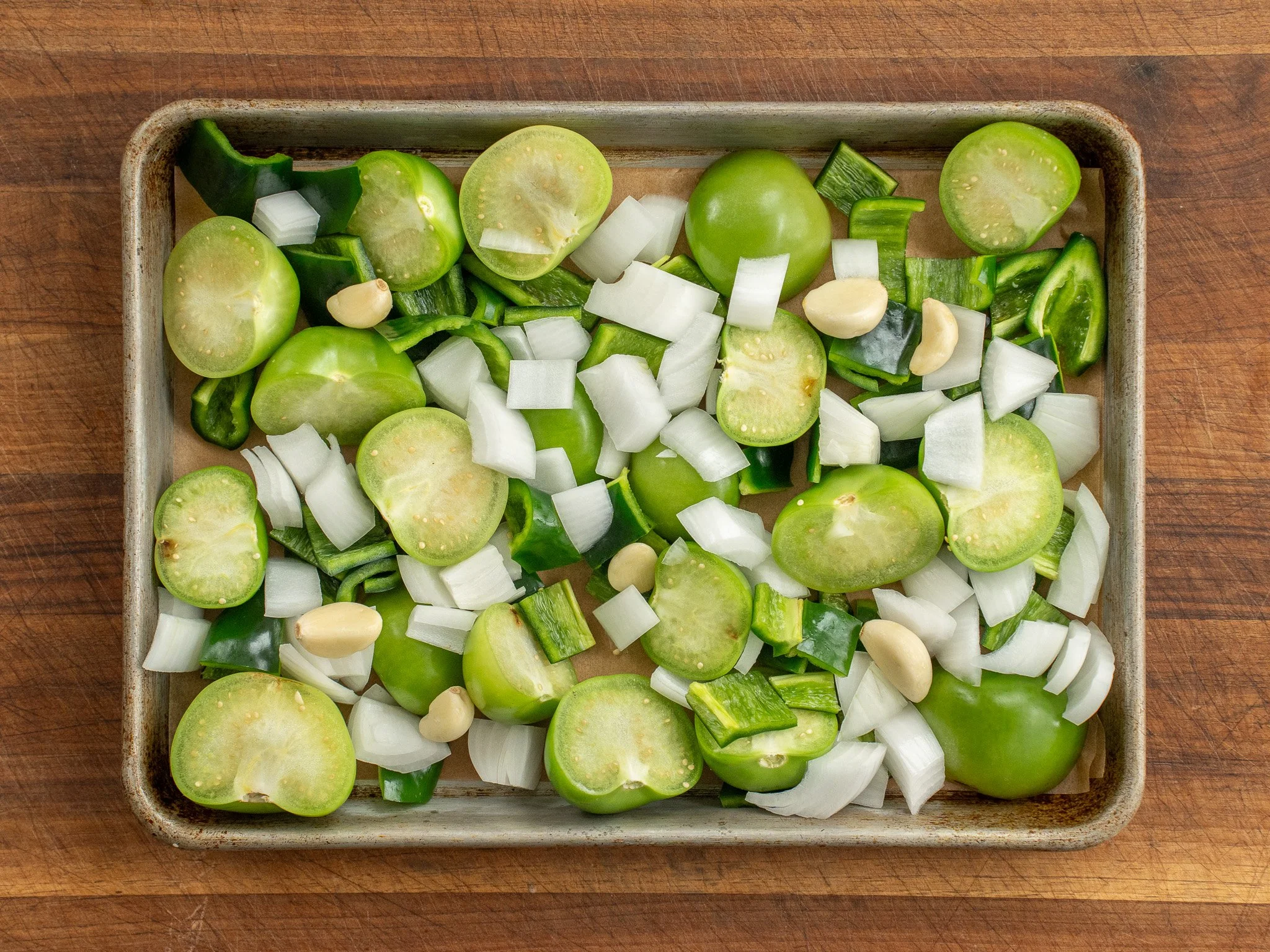
2. Load the sheet tray. Spread the 450 g tomatillos, 200 g poblanos, 150 g onion, and 20 g (5 cloves) garlic on a parchment-lined sheet tray. Break the onion up a bit so the petals are mostly separated. This exposes more surface to the heat which softens their fiber quicker and allows them to pick up more roasty flavor.
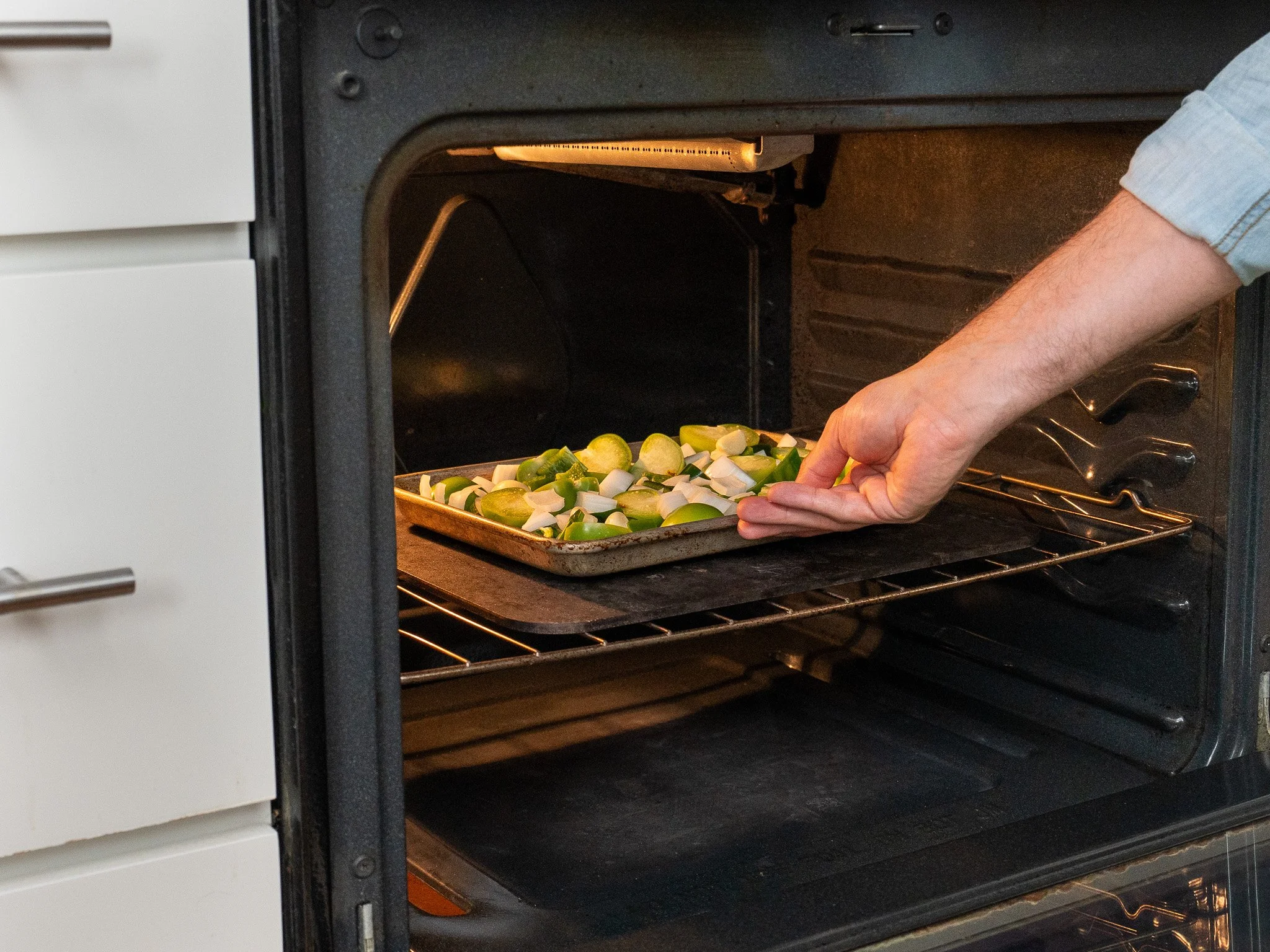
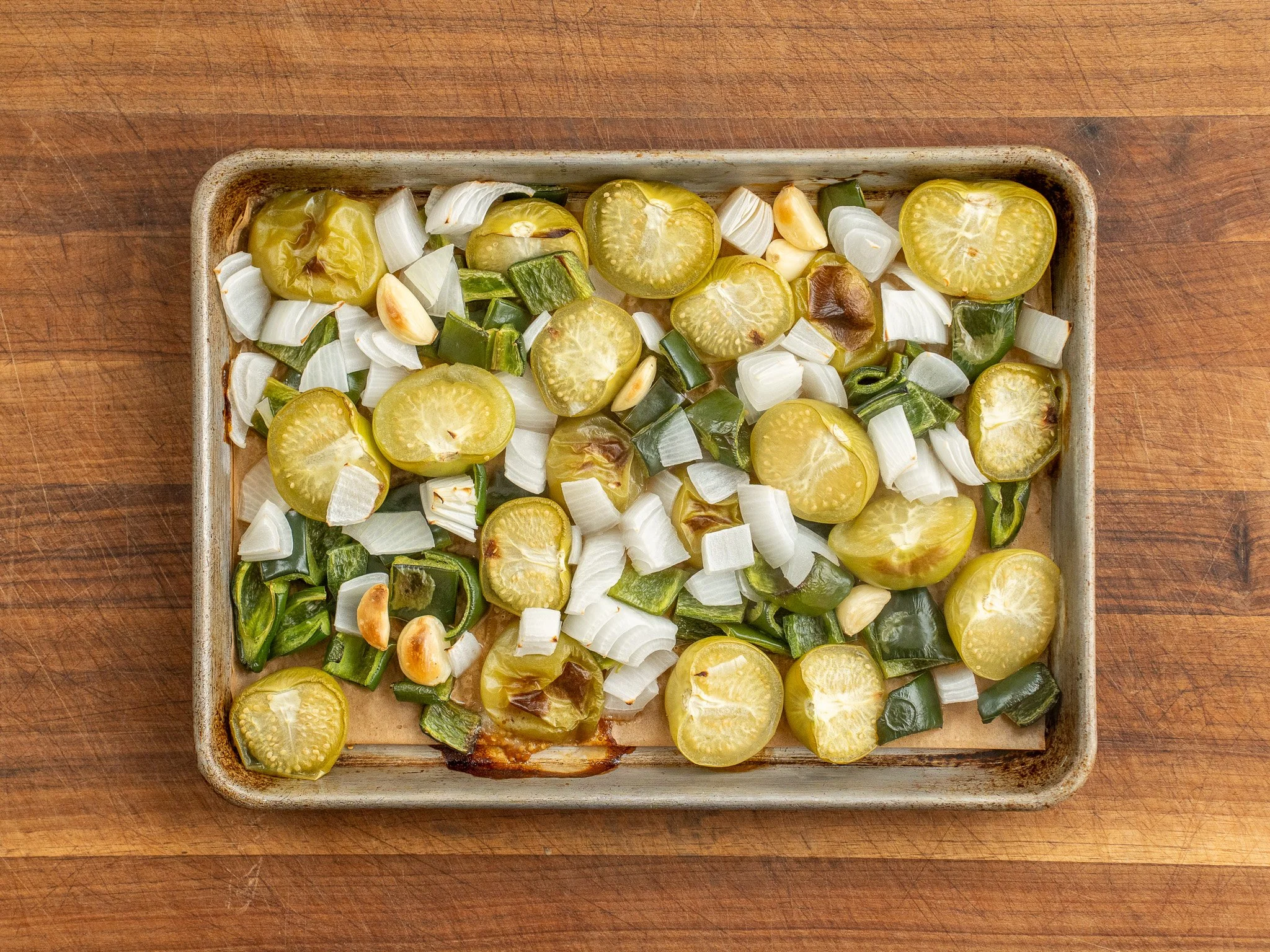
3. Roast until blistered. Roast for 15 to 20 minutes, or however long it takes in your oven for the vegetables to start browning and get roasty and softened.
If you want a darker, smokier salsa, leave them in a little longer, or switch the broiler to high for the last 2 minutes. Just keep in mind that you’re going for slightly blistered, not ashy.
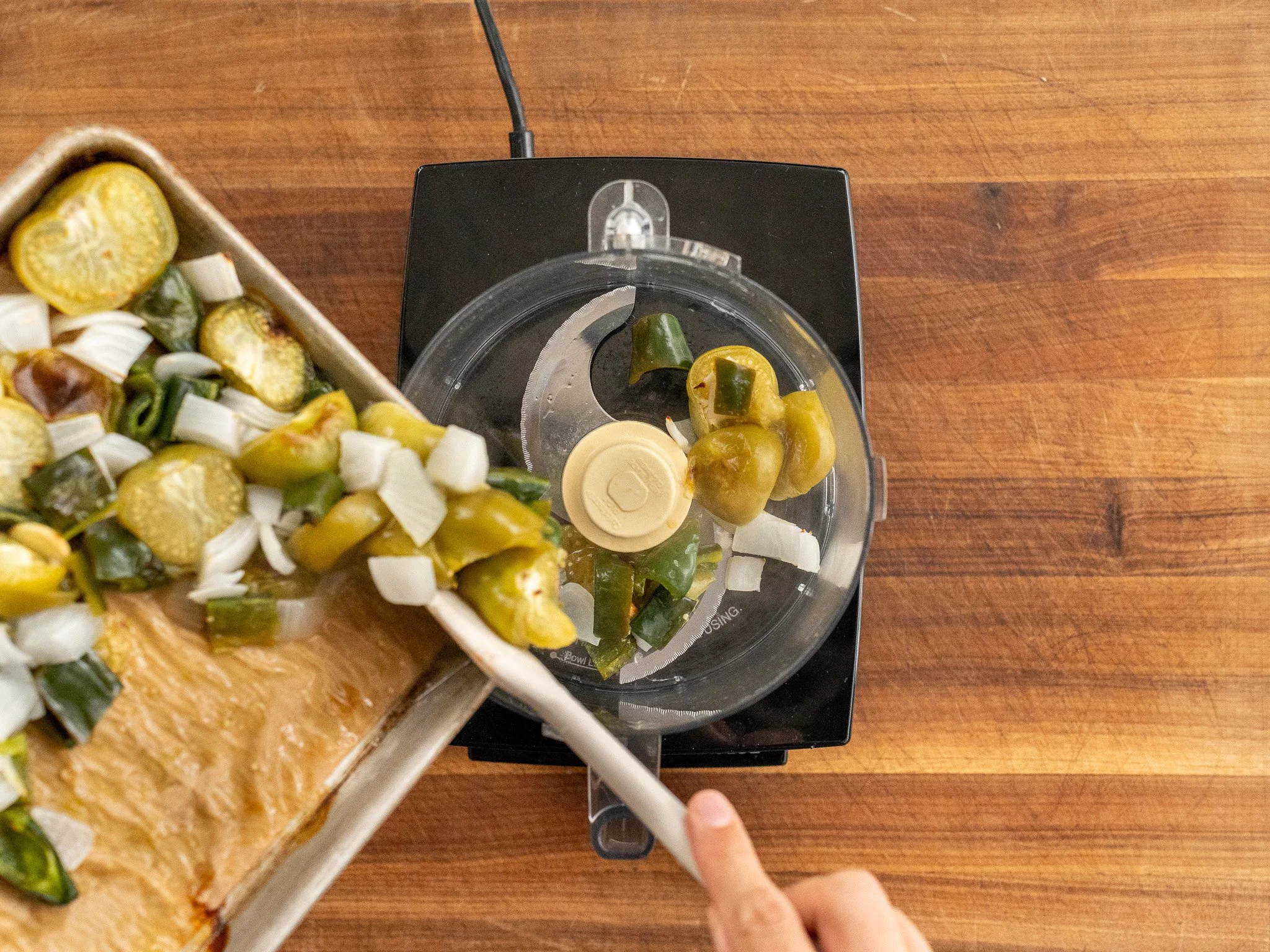
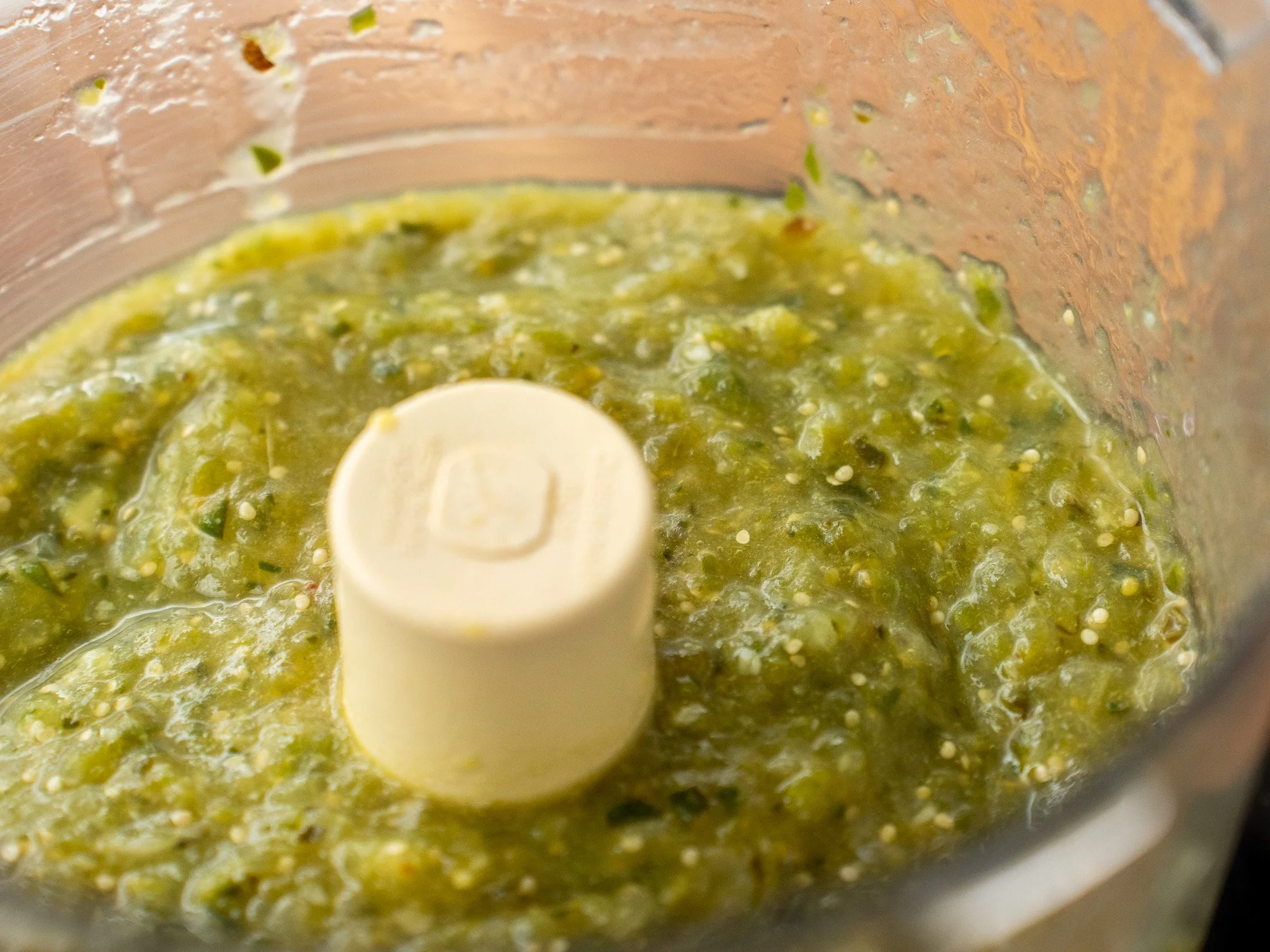
4. Cool, then blend with salt. Move everything from the tray into the food processor, add 8g salt, put on the lid, and let it steam for about 10 minutes. After the 10 min steam, pulse about 15 times to whatever texture you like. I like 10-20 quick pulses for a rustic and chunky texture.
Why steam it in the processor? This cools the veggies, which makes them safer to puree. It also lets the vegetables steam so they break down into a uniform salsa instead of staying a little fibrous and crunchy. Roasted salsa with crunchy onion is a pet peeve of mine.
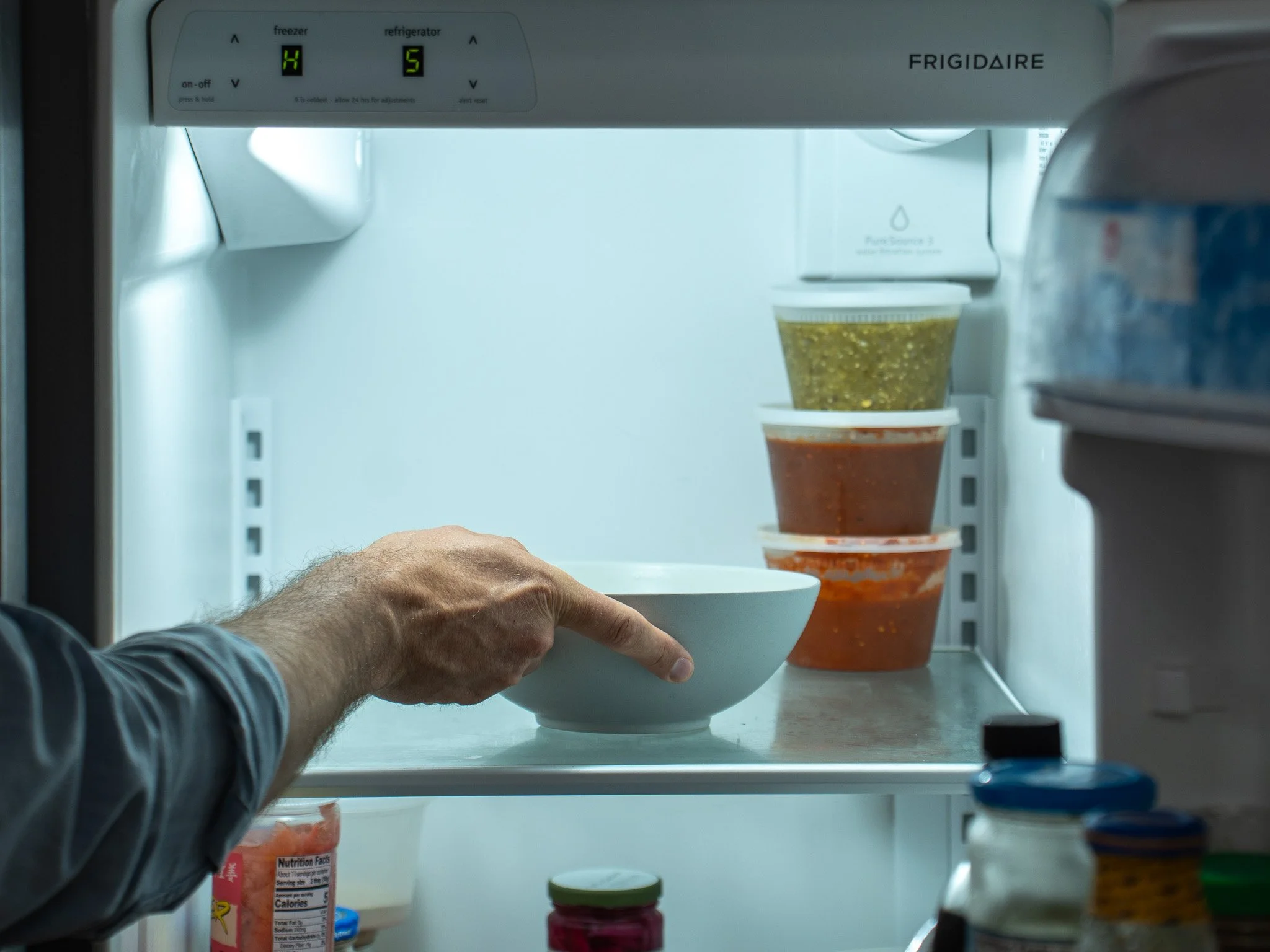
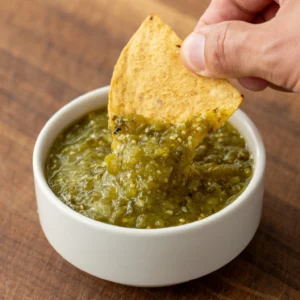
5. Taste and serve. Taste for salt before you call it done, then refrigerate for at least 30-45 minutes before serving. The final salsa should have a medium viscosity.
Note: If the tomatillos thicken up as they cool, add a splash of water to loosen it up.
Serve with thick, hearty tortilla chips and fatty roasted meat tacos, like al pastor.
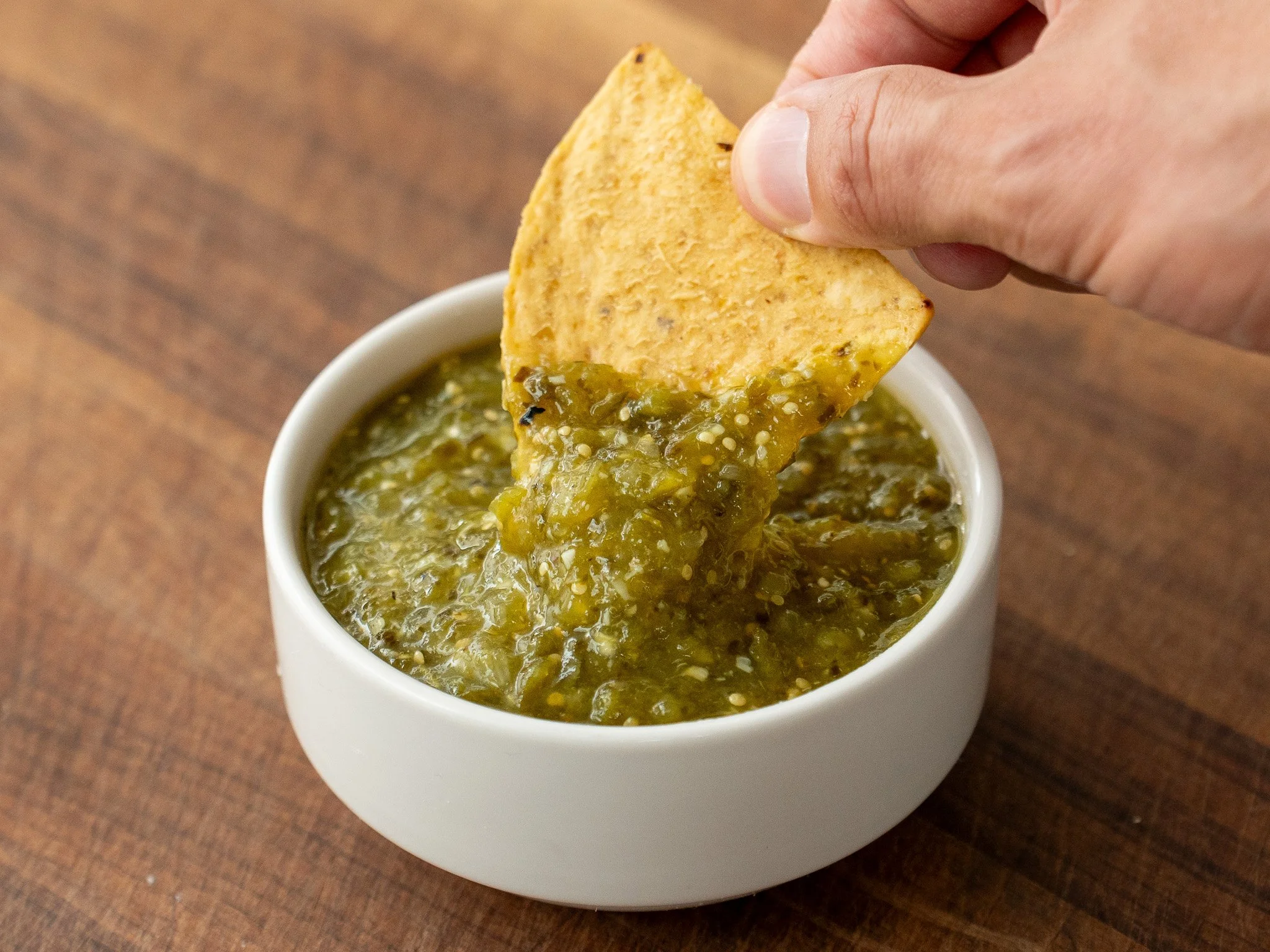
Serve This With
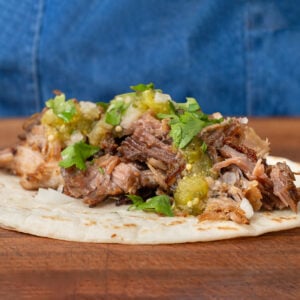



There aren’t many foods I WON’T put this salsa on. Carnitas, eggs, or pretty much any taco. It’s an all-arounder.
Storage & Make-Ahead
This tomatillo salsa keeps in a sealed container in the fridge for about 7 to 10 days. To make it last longer, spoon out what you need instead of dipping directly into the fridge stash. It also freezes better than most salsas because everything in it is cooked.
Roasted Tomatillo Salsa
Ingredients
- 450 g fresh ripe tomatillos , husk removed, halved
- 150 g white onion, medium diced
- 200 g poblano, de-stemmed & seeded
- 20 g garlic
- 8 g salt
Instructions
- Preheat the oven to 450°F/230°C
- Prep the veggies by peeling and halving the tomatillos. Cut the poblanos into medium chunks, medium-dice the white onion, and peel the garlic.
- Spread tomatillos, poblanos, onion, and garlic on a parchment-lined sheet tray. Break the onion up so the petals are mostly separated.
- Roast for 15 to 22 minutes, or however long it takes in your oven for the vegetables to start browning and get roasty and softened.
- Move everything from the tray into a food processor, add salt, put on the lid, and let it steam for about 10 minutes. After the 10 min steam, pulse for about 15 times until you have a rustic and chunky texture.
- Taste for salt and adjust if needed. Then refrigerate for at least 30-45 minutes before serving.
Notes
 Like this? Leave a comment below!
My Go-To Gear
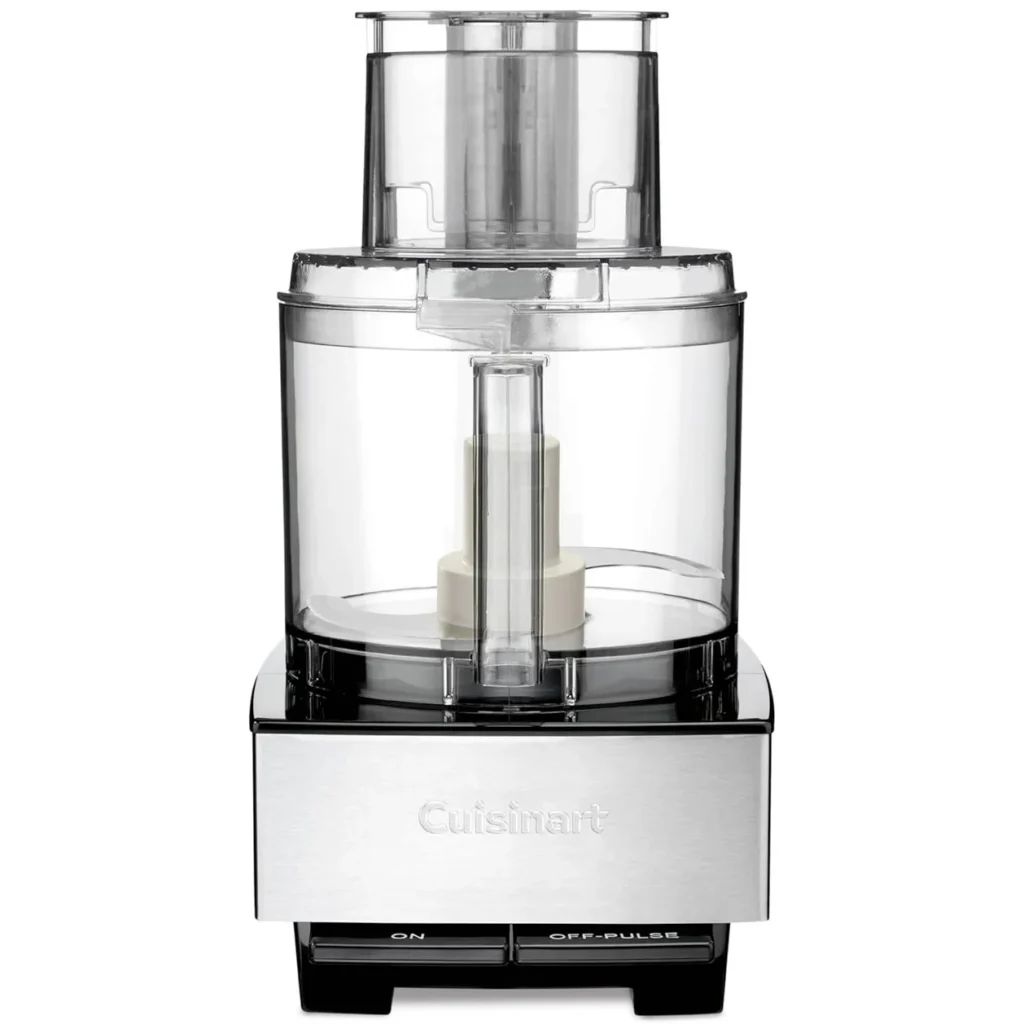
While you CAN use a blender for this salsa, a food processor is preferable for a rustic and chunky texture.
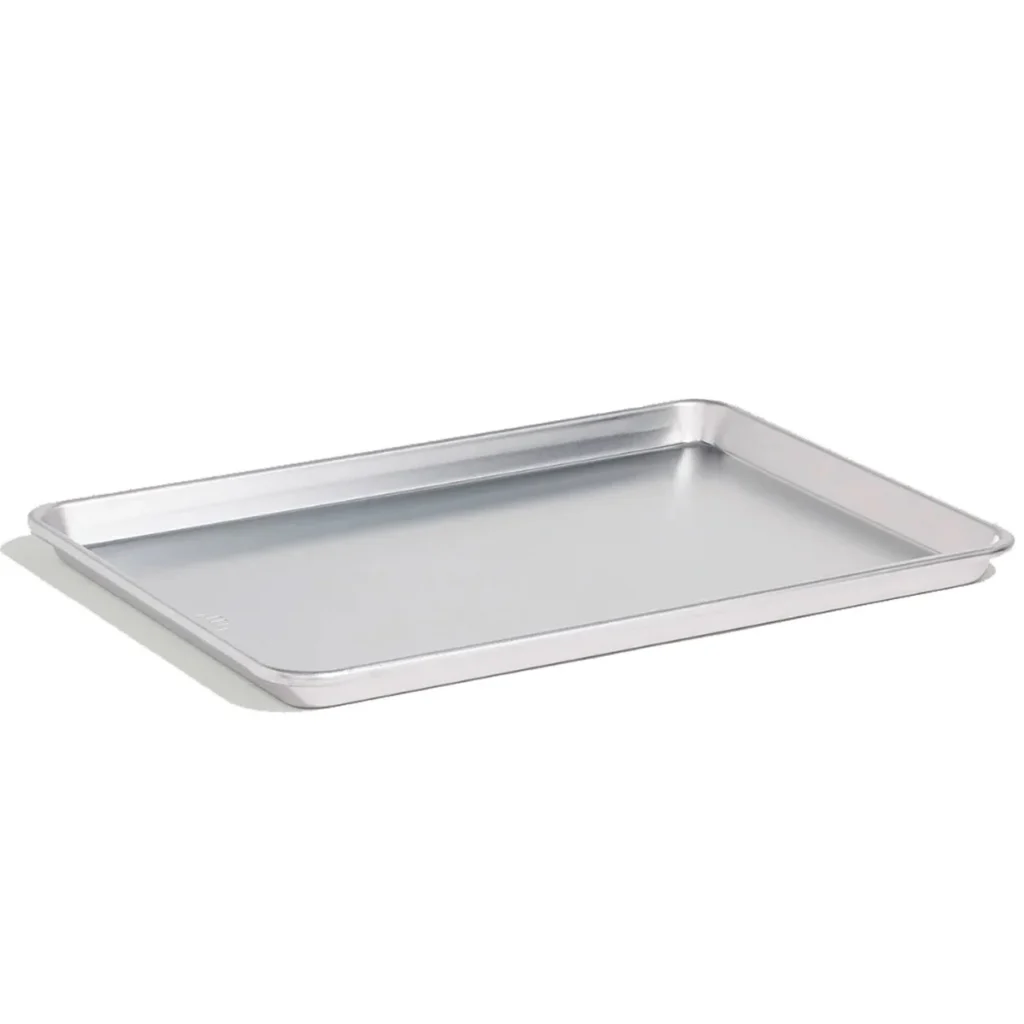
To roast the veggies. You don’t need anything fancy here, but I do recommend using one with a rim to hold any roasting juices.
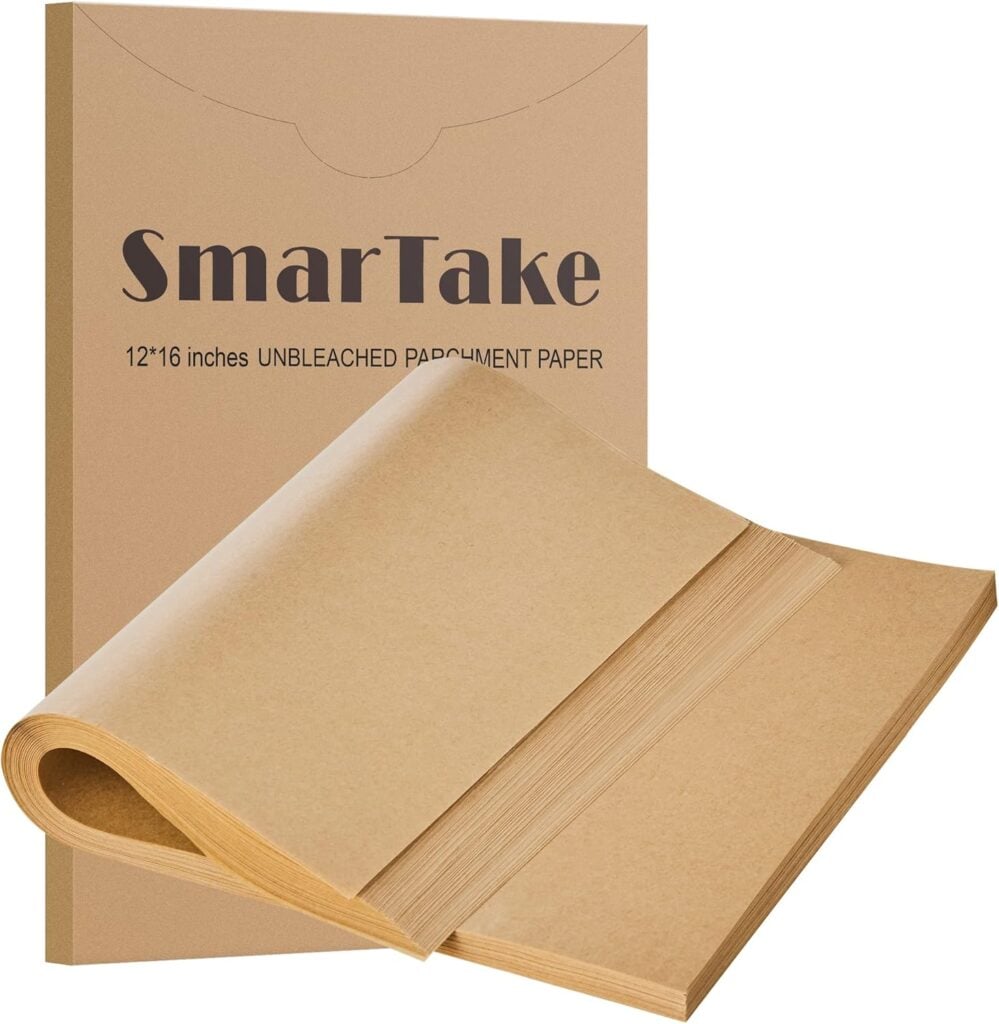
Parchment ensures that the roasty bits from the pan all make it into the salsa. I’m a huge fan of parchment sheets over the rolls.
Frequently Asked Questions
Look for tomatillos that have filled out their husk completely and feel malleable when you pinch. They should feel a touch firmer than a ripe tomato. but not rock hard t. Avoid small, very hard, bright green ones; they’re underripe and aggressively sour.
Yes. A blender will pull it toward the smooth, pourable end, and you may need to add a small splash of water to get the blades moving since there’s no liquid in this one. A food processor just gives you more control if you want it chunky and rustic.